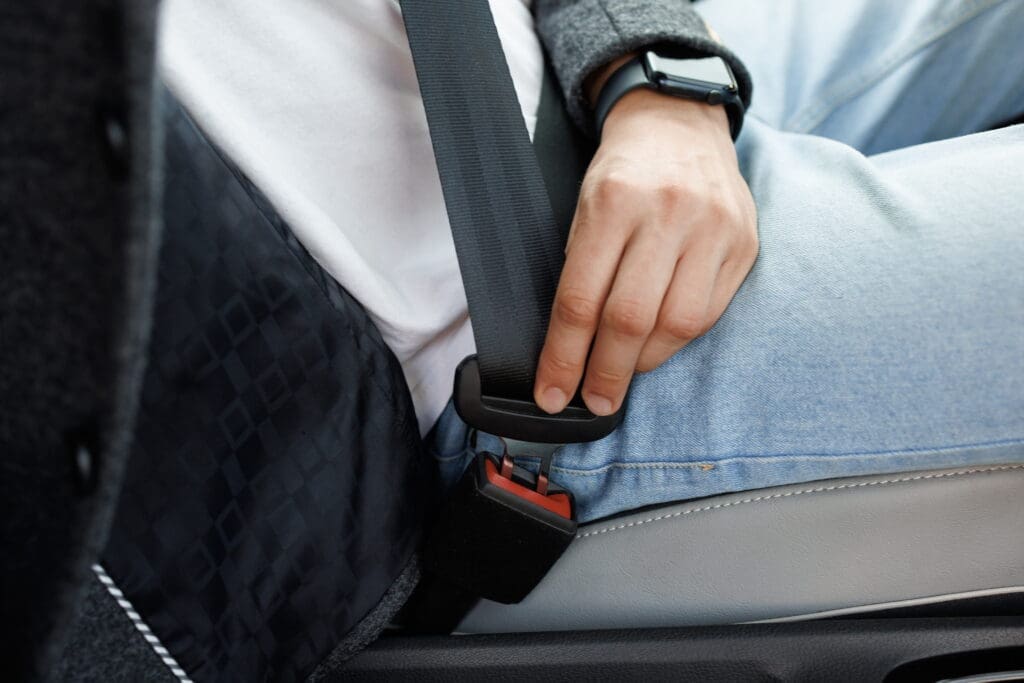
Most people buckle up without thinking twice. Seat belts are second nature, and they save lives every day. What is less commonly discussed is what can happen after a crash, when the force of that restraint leads to injuries that are not always obvious right away.
After an accident, some soreness or bruising where the seat belt crossed the body is expected. In some cases, though, that discomfort is an early sign of an internal injury that has not yet fully surfaced.
Seat belt syndrome is the medical term doctors use for this pattern of injury. Because symptoms are often delayed, problems may not appear until hours or even days later. This guide explains what seat belt syndrome is, which symptoms deserve attention, and how these injuries are viewed in Georgia when insurance questions arise.
What Is Seat Belt Syndrome?
Georgia’s car seat laws require that all children under the age of 8 must be in an appropriate child restraint system. This includes car seats, booster seats, or seat belts, depending on their age, Seat belt syndrome is the medical term doctors use to describe a pattern of injuries caused by the force of a seat belt during a crash. It goes beyond surface bruising and can involve internal injuries to the abdomen, chest, spine, or internal organs.
When doctors evaluate a seat belt injury, they usually look at it in two categories:
- Surface injuries, such as redness, abrasions, or bruising along the path of the belt. These marks, sometimes called seatbelt burn or seat belt bruising, are easy to see and often easy to dismiss.
- Internal injuries, which are more serious and far less obvious. These can involve internal bleeding, organ damage, or spinal injuries that may not cause immediate pain but develop worsening symptoms later on.
One sign doctors watch closely is the seat belt sign, a bruise pattern across the chest or abdomen that follows the line of the belt and can indicate a higher risk of internal injury.
How Seat Belts Cause Injuries in a Crash
During a collision, the vehicle stops suddenly while the body continues to move forward. This is when the seat belt slows the body down and prevents far more serious outcomes.
When the force of the crash is significant, that restraint concentrates pressure across the areas where the belt makes contact. The shoulder belt absorbs force across the chest and upper torso, while the lap belt presses into the lower abdomen and pelvis. Depending on the crash, this pressure can strain internal organs, compress blood vessels, or place stress on the spine.
These injuries are not typically caused by incorrect seat belt use. They happen because of the forces involved in the collision itself. This is why serious injuries can occur even after crashes that did not seem extreme at the time, especially rear-end collisions where forward motion is sudden.
The “Seat Belt Sign” and What It Means
The seat belt sign refers to visible bruising or abrasions that follow the path of the seat belt across the body. It may appear as a horizontal bruise across the lower abdomen or a diagonal mark across the chest or shoulder, and the area often becomes more tender over time.
To doctors, seatbelt sign trauma is a red flag due to a strong link to possible internal abdominal injuries. Trauma research published through the National Institutes of Health shows that patients with abdominal seat belt bruising face a significantly higher risk of underlying organ damage, including injuries to the bowel or liver, even when outward symptoms appear minor.
Due to the risk, imaging is commonly recommended when the seat belt sign is present. The goal is to identify internal injuries early, before complications develop. Ignoring visible bruising can delay diagnosis and make recovery more difficult than it needs to be
Types of Seat Belt Injuries
Seat belt syndrome does not refer to a single type of injury. It describes a range of injuries that can affect different parts of the body depending on how the crash occurred and where the force was absorbed. Some are visible right away, while others develop over time.
Seat Belt Burns and Bruising
These are the most common seat belt injuries and often the easiest to dismiss. They usually appear as redness, abrasions, or bruising along the chest, shoulder, or lower abdomen. While the skin itself may heal, deeper or painful bruising, especially across the abdomen, can signal a higher risk of internal injury.
Chest and Rib Injuries
Force from the shoulder portion of the seat belt can lead to rib fractures, bruising of the lungs, or injury to the breastbone. Pain with breathing, coughing, or movement is common. While this discomfort is sometimes mistaken for muscle soreness, pain that lingers or worsens may signal a deeper injury that needs medical evaluation.
Abdominal and Organ Injuries
The lap belt can compress internal organs during a sudden stop, leading to a seat belt injury to the lower abdomen that may affect the bowel, liver, spleen, or nearby blood vessels. Symptoms may develop gradually, with pain, nausea, or bloating appearing hours or days after the crash.
Spinal and Neck Injuries
Even without direct impact, the spine absorbs significant force during a collision. This can result in compression fractures, soft tissue injuries, or strain to the neck and upper back. Ongoing pain, stiffness, numbness, or weakness should be evaluated, especially if symptoms change over time.
Delayed Symptoms of Seat Belt Syndrome
Seat belt syndrome symptoms do not always appear right away. Right after a crash, adrenaline and shock can mask pain. As the body settles, signs of injury may begin to surface.
Common delayed seat belt syndrome symptoms include:
- Worsening abdominal pain
- Nausea or vomiting
- Fever
- Bloating or abdominal swelling
- Dizziness or lightheadedness
- Blood in the urine or stool
These symptoms often appear within 24 to 72 hours, but timing can vary. Feeling “mostly okay” right after an accident does not necessarily mean there are no injuries. Changes in pain or discomfort over the following days are often what prompt further medical evaluation.
When to See a Doctor After a Crash
While it may be tempting to wait and see how you feel after a crash, seeing a doctor within 24 hours of a car accident is often the safest choice—even when injuries seem minor. This is especially important when seat belt bruising, abdominal discomfort, or chest pain is present.
Imaging tools like CT scans, MRIs, and X-rays allow doctors to detect injuries that are not visible during a physical exam. Early diagnosis can prevent further complications and guide appropriate treatment.
Medical records also play an important role beyond immediate care. When symptoms are documented early, it creates a clear timeline connecting the injury to the crash. This documentation often becomes critical later, especially if your symptoms worsen or additional treatment is needed.
Can You Sue for Seat Belt Injuries in Georgia?
A common question is whether an injury caused by a seat belt still counts as a crash-related injury under Georgia law. The answer surprises a lot of people, but yes.
Wearing a seat belt does not reduce someone’s right to compensation after a car accident. These injuries occur because of the collision’s force, not because a safety device failed or was used incorrectly. Even when a seat belt causes harm, the crash remains the legal cause of the injury.
Insurance adjusters sometimes try to draw a line between the accident and the injury by blaming the seat belt. That distinction does not change how these injuries are viewed legally. Seat belt injuries are still considered part of the overall harm caused by the collision, including in common scenarios like rear-end crashes, where the lap belt can cause abdominal trauma.Because recorded statements can shape how insurance companies frame injuries, injured drivers should speak with an experienced Atlanta car accident lawyer. These legal professionals protect victims from having their words used against them in personal injury claims.
How a Seat Belt Injury Lawyer Helps
A seat belt injury lawyer understands how complex these cases can be, especially when symptoms are delayed or internal injuries are involved. They often involve delayed symptoms, internal trauma, and medical explanations that are easy for insurance companies to minimize.
Legal guidance in these cases is less about pressure and more about ensuring the injury is accurately understood. Here’s how:
Proving the Injury
These injuries rely heavily on medical documentation. Emergency room records, imaging, and follow-up visits help connect the injury to the crash, especially when symptoms develop over time.
CT scans, MRIs, and X-rays are often used to identify internal trauma, while physician notes documenting bruising patterns, abdominal pain, and symptom changes help explain how the injury progressed. Treating doctors and specialists can also clarify how the collision’s forces caused the injury when insurers try to minimize its severity.
Dealing With Insurance Companies
Insurance adjusters frequently describe seat belt injuries as minor bruising, especially early on. When symptoms are delayed, insurers may argue that the injury is unrelated to the crash or that something else caused it.
Recorded statements taken too early are often used to support those arguments. Once a lawyer is involved, communication is handled more carefully, and the injury is framed based on medical evidence rather than assumptions made in the first few days after the crash.
Recovering Full Compensation
Seat belt injuries can affect more than just your health, especially when internal injuries are involved. Medical bills add up quickly, time away from work can create stress, and the physical recovery itself often disrupts daily routines.
Compensation accounts for the full impact, including:
- Emergency care and diagnostic imaging
- Hospital stays or surgery for internal injuries
- Follow-up visits and specialist care
- Prescription medications and ongoing treatment
- Lost income or reduced ability to work
- Physical pain, emotional strain, and changes to everyday life
What to Do After a Crash If a Seat Belt Injury Is Suspected
When symptoms are unclear or developing, a few practical steps can help protect both health and future options.
- Seek medical attention
Even if pain seems manageable, early evaluation helps identify injuries that may not be obvious right away. - Pay attention to changes
New or worsening symptoms over the next several days should be documented and shared with a medical provider. - Be cautious with statements
Early conversations with insurance companies can shape how an injury is viewed before the full picture is clear. - Get informed guidance
Understanding how seat belt injuries are evaluated medically and legally can prevent unnecessary complications later.
Seat Belt Injuries After a Crash: Frequently Asked Questions
What is seat belt syndrome?
Seat belt syndrome is a medical term for a pattern of injuries caused by the force of a seat belt during a crash. It can include surface bruising as well as internal injuries, most often affecting the abdomen, chest, or spine. Symptoms do not always show up right away.
Is seat belt bruising normal after a car accident?
Mild bruising can happen, but deeper or painful bruising, especially across the abdomen, can be a warning sign. Doctors often refer to this as the seatbelt sign, and it may indicate internal injury.
How long do seat belt injury symptoms last?
Minor injuries may heal within a few days or weeks. More serious injuries, particularly internal trauma, can take months to heal and may require ongoing treatment.
Can seat belt injuries be life-threatening?
Yes, they can. Injuries like internal bleeding or spinal trauma can become serious if they are not treated. This is why delayed symptoms should never be ignored.
How can someone tell if internal injuries are present?
Warning signs include abdominal pain, nausea, dizziness, bloating, fever, or blood in the urine or stool. Feeling fine right after a crash does not always mean there is no injury.
Can a claim be filed for seat belt injuries in Georgia?
Yes. Seat belt injuries are still considered crash-related injuries under Georgia law. Getting clear information early can help prevent misunderstandings with insurance companies later.
Getting Help After a Seat Belt Injury in Georgia
Seat belt injuries are often misunderstood. Because symptoms can be delayed and bruising may seem minor at first, people often question whether what they are feeling is normal or warrants attention.
This is where having steady, experienced legal guidance can make a difference. Weatherby Law Firm understands how seat belt injuries are evaluated medically and how insurance companies tend to respond when these injuries are involved. Their approach is focused on clarity and protection, helping injured drivers understand their options without pressure or urgency.
When medical concerns and insurance questions start colliding, clear information and steady guidance can make a real difference. For those looking to better understand their options after a crash, Weatherby Law Firm provides answers.
Schedule Your Free Consultation