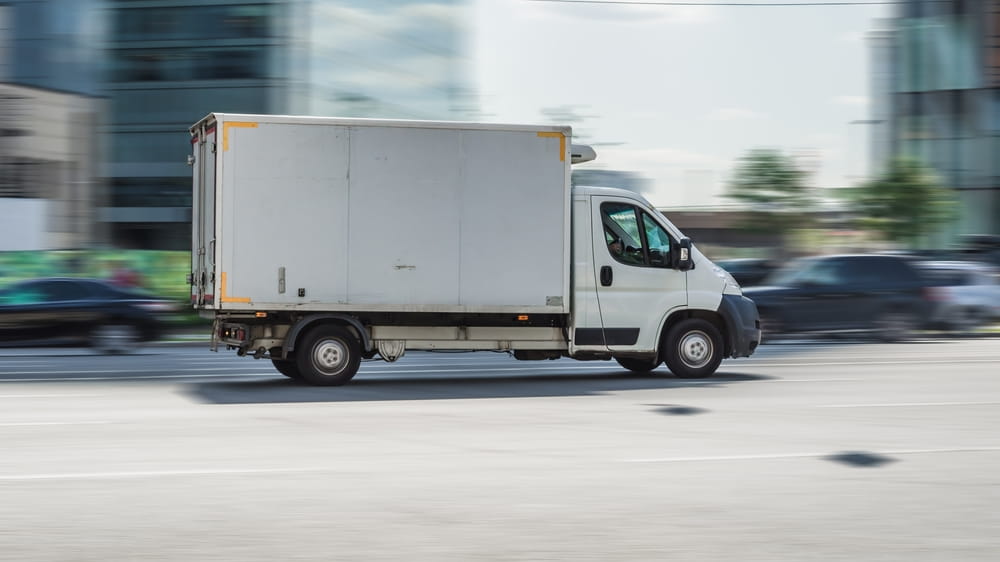
Crashes involving Amazon, UPS, FedEx, USPS, and local carriers have become more common as delivery services expand across Georgia. Drivers often rush to meet delivery deadlines, creating unsafe driving behaviors. And unlike a typical car accident, these cases involve commercial insurance policies and multiple potentially liable parties.
Weatherby Law Firm helps injured victims navigate complex delivery truck accident claims throughout Georgia. In this guide, we explain how to file a claim after a delivery truck accident, who can be held liable, insurance reporting requirements, and why working with an experienced commercial vehicle accident lawyer protects your rights and strengthens your case.
Understanding Delivery Truck Accident Claims in Georgia
A delivery truck accident claim involves injuries or damages caused by a commercial delivery vehicle operating for a business or delivery service. Commercial vehicle claims typically involve significantly larger insurance policies than standard passenger vehicle accidents.
Types of Delivery Truck Accidents
Delivery drivers operate under tight schedules and frequent stop-and-go conditions. Common delivery truck accident scenarios include:
- Backing-up accidents in neighborhoods or parking lots
- Double-parking collisions
- Distracted driving while using delivery apps or GPS systems
- Unsafe lane changes during route adjustments
- Dooring accidents in urban delivery zones
- Pedestrian or cyclist collisions during active deliveries
Who Can Be Held Liable
Liability depends heavily on the delivery company’s business structure and the driver’s employment status. Some drivers work directly for large corporations, while others operate as independent contractors or through third-party delivery service partners.
Delivery truck accident liability may extend beyond the driver to include:
- The delivery company
- A third-party logistics company
- Independent contractors
- Vehicle maintenance providers
- Commercial insurers
Critical Deadlines and Time Limits in Georgia
Georgia’s delivery truck accident claim filing deadline is generally two years from the accident date for personal injury claims. But failing to act quickly after a delivery truck accident can compromise your legal claim and your ability to preserve evidence.
Statute of Limitations Specifics
Georgia’s statute of limitations for personal injuries is two years and typically begins on the date of the accident. Certain exceptions may apply in limited circumstances, including:
- Delayed injury discovery
- Claims involving minors
- Government-related claims
- Mental incapacity situations
Claims involving USPS vehicles or other government-operated delivery vehicles may require additional notice procedures and shorter deadlines under federal law.
Insurance Reporting Requirements
Documenting the scene and preserving records are extremely important after a crash, whether you’ve hit a deer or another vehicle. But insurance companies expect especially prompt reporting of accidents after commercial vehicle crashes. Delays may allow insurers to argue that injuries were unrelated to the crash or that damages worsened after the accident.
Filing Your Claim – Step-by-Step Process
Knowing how to file a claim after a delivery truck accident can help protect your health and your legal rights. Here are the steps to take before filing a delivery truck accident claim:
- Call 911 and seek medical attention
- Document the accident scene with photos and videos
- Collect driver, witness, and company information
- Request a copy of the police report
- Notify your insurance company
- Preserve all medical and repair records
Evidence Collection for Delivery Truck Claims
Delivery truck accident claims often overlap with broader truck accident lawsuit frameworks involving commercial vehicle regulations and corporate liability issues.
Important evidence may include:
- GPS tracking and route data
- Delivery schedules and timestamps
- Driver qualification files
- Vehicle maintenance records
- Dash camera footage
- Driver’s cellphone records
- Training and safety documentation
Because delivery companies may not preserve this information indefinitely, early evidence preservation is critical. Under Georgia’s car seat laws, claims involving injured children may also require additional documentation regarding passenger safety
Working with Insurance Companies
Commercial insurance carriers often move quickly to request recorded statements, medical authorizations, or early settlement discussions before the full extent of injuries becomes clear. Understanding how to talk to insurance adjusters may help you avoid statements that could later harm your claim.
Common insurance tactics include:
- disputing liability
- minimizing injuries
- delaying claim investigations
- shifting blame to the injured driver
An experienced Atlanta car accident lawyer can help you preserve evidence, evaluate liability, and manage communications with commercial insurers.
Special Considerations for Major Delivery Companies
Large delivery companies often operate through layered corporate structures that can complicate liability investigations.
Amazon, UPS, FedEx, and USPS may use different employment models and insurance structures.
Amazon Delivery Service Partners
Amazon frequently uses Delivery Service Partners (DSPs), which are independent companies that operate delivery routes on Amazon’s behalf. This structure may create disputes involving employee versus contractor status and insurance coverage responsibility.
Federal vs. Private Delivery Services
USPS accidents may fall under the Federal Tort Claims Act (FTCA), which includes administrative claim procedures and, in some situations, shorter filing timelines. Carriers like FedEx, on the other hand, generally operate under commercial insurance policies with higher coverage limits than standard passenger vehicles.
Common Challenges and How to Overcome Them
Delivery truck accident claims often involve more legal and insurance complications than standard car accident cases.
Commercial delivery companies may have large corporate legal departments, layered insurance coverage, and extensive internal investigation teams.
Evidence Preservation Issues
Critical evidence in delivery truck accident claims, such as GPS data and onboard camera footage, may only be retained for a limited period. In some cases, companies may overwrite or destroy electronic records unless preservation requests are sent quickly after the crash.
Driver training records and internal safety communications may also become important when evaluating negligence claims involving rushed deliveries or unsafe driving practices.
Corporate Shield Tactics
Delivery companies and insurers may argue that the driver acted outside job duties or that your injuries were pre-existing. They may also leverage Georgia’s modified comparative negligence system to unrealistically reduce compensation if you shared fault for the accident.
Building a strong claim requires:
- detailed accident documentation
- medical evidence
- witness statements
- expert analysis in more serious cases
Maximizing Your Compensation
Compensation in a delivery truck accident claim depends on several factors, including the severity of injuries, medical expenses, lost income, and fault allocation. Commercial delivery vehicles often carry higher insurance limits than personal passenger vehicles, which may increase available compensation in serious injury cases.
Recoverable damages may include:
- emergency medical expenses
- ongoing treatment costs
- lost wages
- reduced earning capacity
- pain and suffering
- property damage
- punitive damages, in cases involving reckless or grossly negligent conduct
Calculating Damages
Accurately calculating damages requires documentation of your immediate injuries as well as future care and lost earning capacity when injuries affect future employment opportunities or physical abilities.
Under Georgia’s comparative negligence rule, the compensation you’re awarded may be reduced if you shared responsibility for the accident.
Settlement vs. Trial Considerations
Many delivery truck accident claims resolve through settlement negotiations. However, some cases may proceed to litigation when liability is disputed or insurers refuse reasonable settlement offers.
Start Your Delivery Truck Accident Claim — Contact Weatherby Law Firm
Because commercial vehicle claims often involve complex liability questions, early legal guidance may help preserve evidence and evaluate available options. Weatherby Law Firm helps clients throughout Georgia investigate commercial vehicle accidents, preserve evidence, and pursue compensation under Georgia law.
Contact us today to schedule a free consultation before you miss the delivery truck accident claim filing deadline.
Frequently Asked Questions
How long do I have to file a delivery truck accident claim in Georgia?
Georgia generally allows 2 years from the date of the accident to file a personal injury lawsuit. However, insurance claims and evidence preservation should begin much sooner.
Is the delivery company or driver responsible for damages?
Liability depends on the driver’s employment status, company structure, and the facts of the crash. Some cases involve both the driver and the delivery company.
Can I recover damages if I was partially at fault?
Yes. Georgia follows a modified comparative negligence rule. You are still eligible to recover compensation if you are less than 50% responsible for the accident.
What makes delivery truck accident claims different from regular car accidents?
Delivery truck accident claims often involve commercial insurance policies, corporate liability structures, GPS data, delivery records, and complex evidence retrieval processes.
How much compensation can I recover?
Compensation depends on injury severity, medical costs, lost wages, and fault allocation. Commercial delivery vehicles typically carry larger insurance policies than personal vehicles.