... Call Now
FIND OUT WHAT YOUR CASE IS WORTH CALL US AT 404-793-0026

Personal Injury

Common Types of Truck Accidents – and What Causes Them

Common Types of Truck Accidents – and What Causes Them 2560 1707 Alex Weatherby

In 2022, the Federal Motor Carrier Safety Administration (FMCSA) reported 114,000 large-truck injury crashes, underscoring the significant dangers posed by 18-wheelers on our roads. Unlike passenger vehicle accidents, truck crashes often involve multiple parties and are governed by a complex set of federal regulations. The sheer weight of a truck—up to 80,000 lbs—coupled with black box (ECM) evidence, makes these incidents particularly severe and complicates the process of proving liability in personal injury claims.

In this guide, we’ll break down the most common causes of truck accidents in Georgia, why each is so dangerous, and who may be held liable depending on the circumstances. 

Jackknife Accidents

A jackknife accident occurs when a truck’s trailer swings out to the side of the cab, forming a “V” or jackknife shape.

Common Causes:

  • Sudden braking, especially when driving too fast for conditions.
  • Slippery roads, particularly in wet conditions.
  • Brake failure, either due to poor maintenance or faulty components.
  • Improper braking techniques or excessive speed.

Local Relevance:

In Georgia, congested roads on I-285 and I-75 are prime locations for these types of accidents, especially during rainy weather.

Why It’s Dangerous:

When a truck’s trailer jackknifes, it can block multiple lanes of traffic, posing a danger to multiple vehicles at once.

Liable Parties:

  • Driver: If the driver was speeding or used improper braking techniques.
  • Trucking Company: If the company failed to maintain the vehicle or provide proper training for the driver.
  • Cargo Loader: If the cargo was improperly loaded or the weight was not evenly distributed, the truck can lose stability.

Truck Rollover Accidents

Truck rollover accidents occur when a commercial truck tips onto its side or roof due to a collision, a sharp turn, or an external force such as high winds. Trucks are more prone to rollovers than passenger vehicles due to their high center of gravity. 

Common Causes:

  • Taking curves or exit ramps too quickly.
  • Overloaded or improperly loaded cargo that shifts during travel.
  • Wind conditions that affect the truck’s stability.
  • Overcorrection during a maneuver or a sudden move by the driver.

Note:

Empty trailers are more prone to rollovers than fully loaded trucks because they weigh less and therefore have less traction.

Liable Parties:

  • Driver: If speeding or improper turning caused the accident.
  • Trucking Company: If the cargo was loaded improperly, or the driver was not adequately trained.
  • Cargo Company: If the cargo was not properly secured and in violation of industry standards.

Rear-End Truck Collisions

Rear-end truck collisions occur when a truck crashes into the back of a slower or stopped vehicle. Due to their weight, large commercial trucks require approximately the length of two football fields to stop—significantly more space than a passenger car.

Common Causes:

  • Following too closely behind other vehicles.
  • Distracted driving, such as texting or looking away from the road.
  • Speeding, which reduces the time needed to stop.
  • Brake failure or lag, especially if the truck’s brake system is not properly maintained.
  • Driver fatigue, which can impair reaction time and judgment.

Injuries:

Rear-end collisions involving trucks often result in severe injuries, as the force of impact can push smaller vehicles forward or crush them entirely.

Liable Parties:

  • Driver: If they were following too closely, driving distracted, or speeding.
  • Trucking Company: If the company failed to maintain the brakes or caused driver fatigue by violating hours of service regulations

Head-On Collisions

Head-on collisions are among the deadliest types of truck accidents, where the front of a truck strikes the front of another vehicle. The combined speed and mass of 18-wheelers make these collisions highly dangerous, often resulting in fatal or catastrophic injuries.

Common Causes:

  • Wrong-way driving, such as entering a highway in the wrong direction.
  • Drifting across the centerline due to driver fatigue or intoxication.
  • Unsafe passing on two-lane roads.
  • Driver fatigue, which can cause the driver to fall asleep at the wheel.

Note:

Head-on collisions often result in wrongful death claims due to the severity of the impact.

Liable Parties:

  • Driver: If the driver was driving the wrong way or fell asleep behind the wheel.
  • Trucking Company: If hours of service violations were found in the driver’s logs, indicating fatigue or overwork.

T-Bone (Side-Impact) Truck Accidents

A T-bone truck accident occurs when the front of a truck strikes the side of another vehicle, forming a “T” shape.

Common Causes:

  • Running red lights or failing to yield at intersections.
  • Distracted driving at intersections or failing to notice traffic signals.
  • Fatigued or rushed driving.

Liable Parties:

  • Driver: If they committed a traffic violation or were distracted.
  • Trucking Company: If the driver was fatigued due to improper scheduling or negligent hiring.

Sideswipe Accidents

A sideswipe accident occurs when a truck’s side scrapes along the side of another vehicle, typically during a lane change or merge. Given the large blind spots of commercial vehicles, these types of truck accidents are fairly common.

Common Causes:

  • Failure to check mirrors or use proper lane change techniques.
  • Distracted driving, such as texting or engaging with in-cab technology.
  • Fatigue-related drifting, especially during long-haul trips.
  • Improper lane change technique, including cutting in too early or too late.

Liable Parties:

  • Driver: If the driver failed to check blind spots or changed lanes improperly.
  • Trucking Company: If the company failed to equip the truck with functioning mirrors or cameras, or if the driver received inadequate training on safe lane change practices.

Blind Spot Accidents

Blind spot accidents occur when a truck merges into a car that is located in its “no-zones”—areas where the truck driver cannot see the surrounding vehicles. Unlike passenger cars, semi-trucks lack rearview mirrors and rely entirely on side mirrors and cameras, which can fail or be misused.

Common Causes:

  • A truck merges into an adjacent lane or drifts into another lane without noticing a vehicle in its blind spot.
  • A truck backs up at a loading dock and strikes a vehicle that was in the blind spot.

Legal Duty:

Truck drivers have a legal obligation to check their blind spots before every lane change or maneuver. Failure to do so can result in serious accidents.

Liable Parties:

  • Driver: If the driver failed to check blind spots before merging or changing lanes.
  • Trucking Company: If the company failed to provide adequate mirrors, cameras, or training on safe driving practices.

Wide Turn (Squeeze Play) Accidents

Wide turn accidents, also known as squeeze play accidents, occur when a semi-truck must swing left to complete a right turn, trapping vehicles in the right lane between the truck and the curb. This maneuver often requires two lanes, and if the truck is not careful, its rear wheels can clip the curb or run over vehicles.

Common Causes:

  • Failure to signal before the turn.
  • Other drivers failing to recognize the wide turn setup.
  • Taking the turn too fast or not positioning the truck correctly.

Liable Parties:

  • Driver: If the driver failed to signal or made the turn improperly.
  • Trucking Company: If the company’s training was inadequate or if they failed to emphasize the importance of proper turn techniques.

Underride Accidents

Underride truck accidents occur when a smaller vehicle slides under the rear or side of a truck’s trailer during a collision. This is one of the most catastrophic—in some cases, fatal— types of accidents, as the top of the passenger vehicle can be sheared off entirely.

Common Causes:

  • Sudden braking by the truck, causing the smaller vehicle to slide underneath the rear of the trailer.
  • Wide turns or unexpected lane changes that trap the smaller vehicle under the truck.
  • Lack of rear or side underride guards.

Regulatory Note:

Federal law mandates rear underride guards (ICC bumpers) on trailers to prevent vehicles from sliding underneath. However, side underride guards are not federally required, creating a significant gap in safety standards.

Liable Parties:

  • Driver: If the driver made a sudden stop or unexpected maneuver that caused the collision.
  • Trucking Company: If the company failed to maintain or repair the rear underride guard, or if they didn’t properly train their drivers on safe braking practices.
  • Manufacturer: If the underride guard was defective or non-compliant with federal regulations.

Tire Blowout Accidents

A tire blowout accident happens when a truck’s tire fails unexpectedly while in motion, leading to a loss of control. Commercial truck tires bear immense loads, so a single tire failure can have catastrophic consequences for the driver and surrounding vehicles.

Common Causes:

  • Underinflated tires, which can cause the rubber to overheat and fail.
  • Overloaded trucks put excessive strain on the tires.
  • Worn-out tread or defective manufacturing that weakens the tire.
  • Failure to conduct federally required pre-trip tire inspections.

FMCSA Requirement:
FMCSA mandates pre-trip inspections, including tire checks. Failure to inspect tires is considered negligence and could result in the trucking company being held liable for the accident.

Is a Tire Blowout an At-Fault Accident?

Yes – tire blowouts are considered at-fault accidents when caused by inadequate maintenance, improper loading, or failure to inspect before the trip.

Liable Parties:

  • Driver: If the driver failed to inspect the tires or noticed signs of wear but continued to drive.
  • Trucking Company: If the company did not maintain or properly inspect the tires before the trip.
  • Tire Manufacturer: If the tire was defective and caused the blowout, the manufacturer may be held liable for product defects.

Cargo Spill and Lost Load Accidents

Cargo spill accidents occur when improperly secured cargo falls from a truck onto the road, creating hazards or striking other vehicles. Spilled cargo can cause other vehicles to crash or lead to dangerous road conditions that result in additional accidents.

Common Causes:

  • Improperly securing the cargo, such as failing to use tie-downs or restraints.
  • Inadequate loading practices, where the cargo is unbalanced or too heavy for the truck’s capacity.
  • FMCSA violations of cargo securement standards, which are critical for preventing load spills.

FMCSA Regulation:

FMCSA outlines cargo securement standards under 49 CFR Part 393. Failure to adhere to these regulations is a direct basis for negligence.

Liable Parties:

  • Driver: If the driver failed to properly secure the load or overlooked potential hazards during loading.
  • Trucking Company: If the company’s loading practices were negligent, or if they failed to ensure that the driver was trained in cargo securement standards.
  • Cargo Loading Company: If the cargo was improperly loaded at the origin, violating FMCSA regulations and creating an unsafe load.

What Causes Most Truck Accidents? Understanding Negligence

Negligence occurs when a party fails to exercise reasonable care, resulting in an accident and injuries.

What Causes Truck Accidents? And How Negligence Plays a Role:

  • Driver Error: This can include fatigue, distraction, speeding, intoxication, and failure to obey traffic laws.
  • Trucking Company Negligence: Unrealistic delivery schedules, hours of service violations, failure to maintain vehicles, or lazy hiring practices.
  • Equipment Failure: Brake failure, tire blowouts, defective lighting, or faulty cargo securement equipment.
  • Cargo Loading Negligence: Improperly loaded or overloaded freight that shifts during transit and causes a crash.
  • Third-Party Manufacturers: Defective parts, such as tires, brakes, or hitches, can lead to loss of control and accidents.

What Is Negligence in Truck Accidents?

Negligence in truck accidents refers to a failure to exercise reasonable care, and it can apply to multiple parties—driver, company, loader, and even the manufacturer. In truck accident cases, FMCSA violations can serve as evidence of negligence.

Injured in a Truck Accident in Atlanta? Weatherby Law Firm Can Help.

In 2022, the Federal Motor Carrier Safety Administration (FMCSA) reported 114,000 large-truck injury crashes, underscoring the significant dangers posed by 18-wheelers on our roads. Unlike passenger vehicle accidents, truck crashes often involve multiple parties and are governed by a complex set of federal regulations. The sheer weight of a truck—up to 80,000 lbs—coupled with black box (ECM) evidence, makes these incidents particularly severe and complicates the process of proving liability in personal injury claims.

In this guide, we’ll break down the most common causes of truck accidents in Georgia, why each is so dangerous, and who may be held liable depending on the circumstances.

Jackknife Accidents

A jackknife accident occurs when a truck’s trailer swings out to the side of the cab, forming a “V” or jackknife shape.

Common Causes:

  • Sudden braking, especially when driving too fast for conditions.
  • Slippery roads, particularly in wet conditions.
  • Brake failure, either due to poor maintenance or faulty components.
  • Improper braking techniques or excessive speed.

Local Relevance:

In Georgia, congested roads on I-285 and I-75 are prime locations for these types of accidents, especially during rainy weather.

Why It’s Dangerous:

When a truck’s trailer jackknifes, it can block multiple lanes of traffic, posing a danger to multiple vehicles at once.

Liable Parties:

  • Driver: If the driver was speeding or used improper braking techniques.
  • Trucking Company: If the company failed to maintain the vehicle or provide proper training for the driver.
  • Cargo Loader: If the cargo was improperly loaded or the weight was not evenly distributed, the truck can lose stability.

Truck Rollover Accidents

Truck rollover accidents occur when a commercial truck tips onto its side or roof due to a collision, a sharp turn, or an external force such as high winds. Trucks are more prone to rollovers than passenger vehicles due to their high center of gravity. 

Common Causes:

  • Taking curves or exit ramps too quickly.
  • Overloaded or improperly loaded cargo that shifts during travel.
  • Wind conditions that affect the truck’s stability.
  • Overcorrection during a maneuver or a sudden move by the driver.

Note:

Empty trailers are more prone to rollovers than fully loaded trucks because they weigh less and therefore have less traction.

Liable Parties:

  • Driver: If speeding or improper turning caused the accident.
  • Trucking Company: If the cargo was loaded improperly, or the driver was not adequately trained.
  • Cargo Company: If the cargo was not properly secured and in violation of industry standards.

Rear-End Truck Collisions

Rear-end truck collisions occur when a truck crashes into the back of a slower or stopped vehicle. Due to their weight, large commercial trucks require approximately the length of two football fields to stop—significantly more space than a passenger car.

Common Causes:

  • Following too closely behind other vehicles.
  • Distracted driving, such as texting or looking away from the road.
  • Speeding, which reduces the time needed to stop.
  • Brake failure or lag, especially if the truck’s brake system is not properly maintained.
  • Driver fatigue, which can impair reaction time and judgment.

Injuries:

Rear-end collisions involving trucks often result in severe injuries, as the force of impact can push smaller vehicles forward or crush them entirely.

Liable Parties:

  • Driver: If they were following too closely, driving distracted, or speeding.
  • Trucking Company: If the company failed to maintain the brakes or caused driver fatigue by violating hours of service regulations

Head-On Collisions

Head-on collisions are among the deadliest types of truck accidents, where the front of a truck strikes the front of another vehicle. The combined speed and mass of 18-wheelers make these collisions highly dangerous, often resulting in fatal or catastrophic injuries.

Common Causes:

  • Wrong-way driving, such as entering a highway in the wrong direction.
  • Drifting across the centerline due to driver fatigue or intoxication.
  • Unsafe passing on two-lane roads.
  • Driver fatigue, which can cause the driver to fall asleep at the wheel.

Note:

Head-on collisions often result in wrongful death claims due to the severity of the impact.

Liable Parties:

  • Driver: If the driver was driving the wrong way or fell asleep behind the wheel.
  • Trucking Company: If hours of service violations were found in the driver’s logs, indicating fatigue or overwork.

T-Bone (Side-Impact) Truck Accidents

A T-bone truck accident occurs when the front of a truck strikes the side of another vehicle, forming a “T” shape.

Common Causes:

  • Running red lights or failing to yield at intersections.
  • Distracted driving at intersections or failing to notice traffic signals.
  • Fatigued or rushed driving.

Liable Parties:

  • Driver: If they committed a traffic violation or were distracted.
  • Trucking Company: If the driver was fatigued due to improper scheduling or negligent hiring.

Sideswipe Accidents

A sideswipe accident occurs when a truck’s side scrapes along the side of another vehicle, typically during a lane change or merge. Given the large blind spots of commercial vehicles, these types of truck accidents are fairly common.

Common Causes:

  • Failure to check mirrors or use proper lane change techniques.
  • Distracted driving, such as texting or engaging with in-cab technology.
  • Fatigue-related drifting, especially during long-haul trips.
  • Improper lane change technique, including cutting in too early or too late.

Liable Parties:

  • Driver: If the driver failed to check blind spots or changed lanes improperly.
  • Trucking Company: If the company failed to equip the truck with functioning mirrors or cameras, or if the driver received inadequate training on safe lane change practices.

Blind Spot Accidents

Blind spot accidents occur when a truck merges into a car that is located in its “no-zones”—areas where the truck driver cannot see the surrounding vehicles. Unlike passenger cars, semi-trucks lack rearview mirrors and rely entirely on side mirrors and cameras, which can fail or be misused.

Common Causes:

  • A truck merges into an adjacent lane or drifts into another lane without noticing a vehicle in its blind spot.
  • A truck backs up at a loading dock and strikes a vehicle that was in the blind spot.

Legal Duty:

Truck drivers have a legal obligation to check their blind spots before every lane change or maneuver. Failure to do so can result in serious accidents.

Liable Parties:

  • Driver: If the driver failed to check blind spots before merging or changing lanes.
  • Trucking Company: If the company failed to provide adequate mirrors, cameras, or training on safe driving practices.

Wide Turn (Squeeze Play) Accidents

Wide turn accidents, also known as squeeze play accidents, occur when a semi-truck must swing left to complete a right turn, trapping vehicles in the right lane between the truck and the curb. This maneuver often requires two lanes, and if the truck is not careful, its rear wheels can clip the curb or run over vehicles.

Common Causes:

  • Failure to signal before the turn.
  • Other drivers failing to recognize the wide turn setup.
  • Taking the turn too fast or not positioning the truck correctly.

Liable Parties:

  • Driver: If the driver failed to signal or made the turn improperly.
  • Trucking Company: If the company’s training was inadequate or if they failed to emphasize the importance of proper turn techniques.

Underride Accidents

Underride truck accidents occur when a smaller vehicle slides under the rear or side of a truck’s trailer during a collision. This is one of the most catastrophic—in some cases, fatal— types of accidents, as the top of the passenger vehicle can be sheared off entirely.

Common Causes:

  • Sudden braking by the truck, causing the smaller vehicle to slide underneath the rear of the trailer.
  • Wide turns or unexpected lane changes that trap the smaller vehicle under the truck.
  • Lack of rear or side underride guards.

Regulatory Note:

Federal law mandates rear underride guards (ICC bumpers) on trailers to prevent vehicles from sliding underneath. However, side underride guards are not federally required, creating a significant gap in safety standards.

Liable Parties:

  • Driver: If the driver made a sudden stop or unexpected maneuver that caused the collision.
  • Trucking Company: If the company failed to maintain or repair the rear underride guard, or if they didn’t properly train their drivers on safe braking practices.
  • Manufacturer: If the underride guard was defective or non-compliant with federal regulations.

Tire Blowout Accidents

A tire blowout accident happens when a truck’s tire fails unexpectedly while in motion, leading to a loss of control. Commercial truck tires bear immense loads, so a single tire failure can have catastrophic consequences for the driver and surrounding vehicles.

Common Causes:

  • Underinflated tires, which can cause the rubber to overheat and fail.
  • Overloaded trucks put excessive strain on the tires.
  • Worn-out tread or defective manufacturing that weakens the tire.
  • Failure to conduct federally required pre-trip tire inspections.

FMCSA Requirement:
FMCSA mandates pre-trip inspections, including tire checks. Failure to inspect tires is considered negligence and could result in the trucking company being held liable for the accident.

Is a Tire Blowout an At-Fault Accident?

Yes – tire blowouts are considered at-fault accidents when caused by inadequate maintenance, improper loading, or failure to inspect before the trip.

Liable Parties:

  • Driver: If the driver failed to inspect the tires or noticed signs of wear but continued to drive.
  • Trucking Company: If the company did not maintain or properly inspect the tires before the trip.
  • Tire Manufacturer: If the tire was defective and caused the blowout, the manufacturer may be held liable for product defects.

Cargo Spill and Lost Load Accidents

Cargo spill accidents occur when improperly secured cargo falls from a truck onto the road, creating hazards or striking other vehicles. Spilled cargo can cause other vehicles to crash or lead to dangerous road conditions that result in additional accidents.

Common Causes:

  • Improperly securing the cargo, such as failing to use tie-downs or restraints.
  • Inadequate loading practices, where the cargo is unbalanced or too heavy for the truck’s capacity.
  • FMCSA violations of cargo securement standards, which are critical for preventing load spills.

FMCSA Regulation:

FMCSA outlines cargo securement standards under 49 CFR Part 393. Failure to adhere to these regulations is a direct basis for negligence.

Liable Parties:

  • Driver: If the driver failed to properly secure the load or overlooked potential hazards during loading.
  • Trucking Company: If the company’s loading practices were negligent, or if they failed to ensure that the driver was trained in cargo securement standards.
  • Cargo Loading Company: If the cargo was improperly loaded at the origin, violating FMCSA regulations and creating an unsafe load.

What Causes Most Truck Accidents? Understanding Negligence

Negligence occurs when a party fails to exercise reasonable care, resulting in an accident and injuries.

What Causes Truck Accidents? And How Negligence Plays a Role:

  • Driver Error: This can include fatigue, distraction, speeding, intoxication, and failure to obey traffic laws.
  • Trucking Company Negligence: Unrealistic delivery schedules, hours of service violations, failure to maintain vehicles, or lazy hiring practices.
  • Equipment Failure: Brake failure, tire blowouts, defective lighting, or faulty cargo securement equipment.
  • Cargo Loading Negligence: Improperly loaded or overloaded freight that shifts during transit and causes a crash.
  • Third-Party Manufacturers: Defective parts, such as tires, brakes, or hitches, can lead to loss of control and accidents.

What Is Negligence in Truck Accidents?

Negligence in truck accidents refers to a failure to exercise reasonable care, and it can apply to multiple parties—driver, company, loader, and even the manufacturer. In truck accident cases, FMCSA violations can serve as evidence of negligence.

Injured in a Truck Accident in Atlanta? Weatherby Law Firm Can Help.

Now that we’ve reviewed the most common causes of truck accidents and who can be held liable, the next step is getting help.

If you or a loved one has been involved in a truck accident in Georgia, Weatherby Law Firm is here to help you recover the compensation you deserve. We specialize in handling complex truck accident cases in which multiple parties may be responsible and injuries are severe. Our services are available on a contingency fee basis, meaning you pay nothing unless we win.

Call now for a free consultation with an experienced truck accident lawyer at Weatherby Law Firm. Don’t wait—your case may require quick action before evidence disappears.


Truck Driver Fatigue: Causes, Laws, and What Georgia Accident Victims Need to Know

Truck Driver Fatigue: Causes, Laws, and What Georgia Accident Victims Need to Know 2560 1703 Alex Weatherby

Truck driver fatigue is one of the most dangerous and misunderstood causes of serious highway crashes in Georgia. Every day, large commercial trucks travel through major freight corridors like I-285, I-75, I-85, and I-20, where even a moment of inattention can lead to catastrophic consequences.

Exhaustion slows reaction time and clouds judgment, which is why federal safety agencies have long recognized drowsy driving as a major roadway hazard—especially behind the wheel of fully loaded tractor-trailers, where the stakes are significantly higher.

This article explains what truck driver fatigue is, why it is so dangerous, how federal laws regulate driving hours, and what Georgia accident victims should understand about liability in truck accidents caused by fatigue.

Why Is Truck Driver Fatigue So Dangerous?

Studies have shown that being awake for 18 hours can produce effects comparable to a blood alcohol concentration of 0.05%. When truck drivers are  sleep-deprived:

  • Risk perception declines.
  • Reaction time slows.
  • Attention span decreases.
  • Decision-making becomes impaired.

Microsleep at Highway Speeds

One of the most dangerous fatigue-related phenomena is microsleep, the brief, involuntary episodes of unconsciousness that may last only a few seconds. Drowsy-driving crashes most often occur between midnight and 6 a.m. and in the late afternoon, as these periods align with natural dips in the body’s circadian rhythm.

At 65 miles per hour, a commercial truck can travel the length of a football field in roughly three seconds. During a microsleep episode, the vehicle continues moving with no driver input. On high-traffic Atlanta interstates such as I-285 and I-75,  even a few seconds of microsleep can cause multi-vehicle collisions involving dozens of cars.

What Causes Truck Driver Fatigue?

Several factors contribute to truck driver fatigue, especially in long-haul freight operations:

  • Long hours on the road and tight delivery deadlines
    Drivers may spend extended periods behind the wheel to meet their shipping schedules.
  • Pay structures based on mileage
    Being paid by the mile can create financial pressure to maximize driving time.
  • Irregular or disrupted sleep schedules
    Shifting routes and overnight hauls interfere with normal sleep cycles.
  • Sleep apnea
    Sleep apnea is common among commercial drivers and can significantly reduce sleep quality.
  • Nighttime or early morning driving
    Driving during circadian low points increases the risk of fatigue.
  • Monotonous highway driving
    Long, straight stretches of interstate travel can reduce alertness.

Where Do Truck Drivers Sleep?

The Federal Motor Carrier Safety Administration (FMCSA) allows drivers to rest in a “sleeper berth” built into the truck’s cab. Under the FMCSA sleeper berth provisions, drivers may split required rest time between:

  • A minimum of 7 consecutive hours in the sleeper berth
  • An additional 2 hours off duty

However, resting in a sleeper berth does not guarantee restorative sleep. Drivers may face:

  • Noise from truck stops
  • Temperature fluctuations
  • Irregular sleep schedules
  • Split rest periods that interrupt deep sleep cycles

As a result, fatigue can remain a serious issue even when drivers technically comply with sleeper berth regulations.

Truck Driver Fatigue Laws — FMCSA Hours of Service Rules

To reduce truck driver fatigue accidents, federal law imposes strict FMCSA Hours of Service rules (HOS) on commercial drivers. These regulations apply nationwide, including in Georgia, where violations of HOS regulations are often a major red flag in accident investigations involving truck driver fatigue.

Key Hours of Service (HOS) Rules for Property-Carrying Drivers


Rule

Requirement

11-Hour Driving Limit

Maximum of 11 hours driving after 10 consecutive hours off duty

14-Hour On-Duty Limit

Cannot drive beyond the 14th consecutive hour after coming on duty

30-Minute Break

Required after 8 cumulative hours of driving

60/70-Hour Weekly Limit

Cannot drive after 60/70 hours on duty in 7/8 consecutive days

34-Hour Restart

May reset weekly cycle after 34+ consecutive hours off duty

Sleeper Berth Provision

May split 10-hour rest (minimum 7 hours in berth + 2 hours off duty)

Under 49 CFR 392.3 of the Electronic Code of Federal Regulations, a driver must not operate a commercial motor vehicle while their ability is impaired by fatigue. Georgia enforces these federal rules for commercial vehicles operating on state roads.

Common Accidents Caused by Truck Driver Fatigue

Because exhaustion slows reaction time and reduces awareness, truck driver fatigue accidents frequently occur without evasive action or braking. These types of collisions are especially dangerous because commercial trucks weigh significantly more than passenger vehicles.

Common patterns of truck driver fatigue accidents include:

  • Rear-end collisions
    A fatigued driver may fail to recognize slowed traffic ahead, resulting in delayed braking and high-impact rear-end crashes.
  • Lane departure crashes
    Drifting across lanes without corrective steering is a common indicator of fatigue, especially on long stretches of interstate.
  • Jackknife accidents
    When a drowsy driver suddenly regains awareness and overcorrects, the trailer can swing outward, causing a jackknife.
  • Run-off-road crashes
    Fatigue-related lane drift can cause trucks to leave the roadway, particularly on rural Georgia highways.
  • Multi-vehicle pileups
    Near interchanges, work zones, and high-traffic corridors such as I-285 or I-85, a single fatigued-driving error can trigger chain-reaction collisions.

Who Is Liable in a Truck Driver Fatigue Accident in Georgia?

Under Georgia law, multiple parties can share responsibility for a truck driver fatigue accident depending on the circumstances:

1. The Truck Driver

If a driver violated hours-of-service limits or operated a vehicle while knowingly fatigued, they may be directly liable.

2. The Trucking Company

Under Georgia’s respondeat superior doctrine, employers can be held liable for negligent acts committed by employees within the scope of their employment. A trucking company may bear responsibility if it:

  • Set unrealistic delivery schedules
  • Pressured drivers to skip rest periods
  • Paid drivers in ways that incentivized excessive driving
  • Ignored prior HOS violations
  • Failed to monitor electronic logging data
  • Provided negligent supervision, training, or retention

In fatal crashes involving truck driver fatigue, families may pursue claims under Georgia’s wrongful death laws

Trucking companies typically carry significant insurance coverage and have access to extensive legal resources. Proving their negligence demands careful legal analysis and prompt investigation. Teaming up with an experienced truck accident attorney balances the scales, providing you with access to the same resources so you can seek full compensation for your damages.

How Is Truck Driver Fatigue Proven in a Georgia Accident Case?

Proving truck driver fatigue often requires a detailed review of electronic and documentary evidence. Attorneys commonly examine:

  • Electronic Logging Device (ELD) data
    Federal law requires most commercial trucks to use ELDs to track driving time.
  • Driver log books
    Paper or digital logs may reveal inconsistencies.
  • GPS and dispatch records
    These record actual route timing and rest periods.
  • Delivery receipts and timestamps
    Shipping documentation may contradict reported rest breaks.
  • Cell phone records
    These can help determine driver activity leading up to the crash.
  • Prior HOS violations
    A history of fatigue-related violations may demonstrate a pattern.
  • Company scheduling policies and pay structures
    Internal practices can reveal systemic pressure to exceed safe driving limits.

Time is critical. Without prompt legal action, ELD data can be overwritten, GPS records may be lost, and dispatch communications may not be preserved. An experienced truck accident attorney will send preservation letters, also known as spoliation notices, to protect this evidence early on in the case.

What Should You Do After a Truck Accident in Atlanta?

If you are involved in a truck driver fatigue accident in Atlanta, protect your health and your legal rights by taking the right steps afterwards:

  1. Seek medical attention immediately.
    Even if you feel stable, internal injuries or delayed symptoms may develop.
  2. Report the accident.
    Contact the Georgia State Patrol or local law enforcement to ensure an official report is created.
  3. Document the scene.
    Take photographs, gather witness information, and record the truck’s company name and DOT number if possible.
  4. Avoid giving recorded statements to the trucking company’s insurer.
    Insurance adjusters may seek early statements before the full extent of injuries is known.
  5. Contact an experienced Atlanta truck accident attorney.
    Early legal involvement helps preserve critical evidence and evaluate potential HOS violations.

Speak With An Atlanta Truck Accident Lawyer

Frequently Asked Questions About Truck Driver Fatigue

What is truck driver fatigue?

Truck driver fatigue is a state of physical and mental exhaustion that impairs a driver’s ability to safely operate a commercial vehicle. It can result from insufficient sleep, long hours on the road, irregular schedules, or untreated medical conditions such as sleep apnea.

Federal safety agencies recognize truck driver fatigue as a major contributor to serious and fatal crashes. Because commercial trucks require longer stopping distances and careful maneuvering, even mild impairment can create significant risk.

Is driving while fatigued illegal for truck drivers?

Yes. Under 49 CFR 392.3, a driver must not operate a commercial motor vehicle while fatigued or otherwise unable to safely drive. In addition, drivers must comply with FMCSA hours-of-service rules, which limit driving time and mandate rest periods.

Violating truck driver fatigue laws can result in penalties and may play a central role in civil litigation following a crash.

Who can be held responsible for a fatigued truck driver accident in Georgia?

Every truck accident case requires careful evaluation of contracts and safety records. Depending on the facts, responsible parties may include the truck driver, the trucking company, a freight broker or logistics company, or a motor carrier responsible for scheduling or oversight.

Under Georgia law, employers may be liable for the negligent acts of their drivers. In some cases, companies may also face direct claims for unsafe scheduling practices or failure to monitor regulatory compliance.

How do I know if fatigue caused my truck accident?

Determining the cause of your accident requires investigation. An attorney can analyze ELD data, dispatch records, and company policies to determine whether fatigue contributed to the collision. 

Certain indicators may suggest truck driver fatigue played a role, including no evidence of braking before impact, lane departure without an apparent external cause, crashes occurring during overnight or early morning hours, or logbook inconsistencies and HOS violations.

Injured in a Truck Accident in Atlanta? Weatherby Law Firm Can Help

Truck driver fatigue accidents often involve federal regulations and corporate safety policies. Identifying hours-of-service violations and preserving digital evidence requires careful investigation.

If you are seeking guidance from an experienced Atlanta truck accident lawyer, Weatherby Law Firm offers free, no-risk consultations to evaluate the facts of your case and explain your legal options. Having written the book on truck accident law, we know what it takes to win. Our mission is simple: secure the compensation you deserve for the recovery you need. Contact us today to schedule a free consultation.

Schedule Your Free Consultation

Auto Accident Head Injury: Symptoms, Concussions, and TBI After a Car Crash

Auto Accident Head Injury: Symptoms, Concussions, and TBI After a Car Crash 2560 1615 Alex Weatherby

It is common to focus on what you can see and feel right away after sustaining a car accident injury. A sore neck, a seatbelt bruise, or a damaged vehicle usually gets the most attention. What often goes unnoticed is an auto accident head injury, especially when symptoms are delayed or masked by adrenaline.

Brain injuries from car accidents do not always cause immediate pain or visible signs. You might leave the scene feeling shaken but functional, only to notice headaches, dizziness, or mental fog later that day or even days afterward. 

This guide explains how car crashes lead to brain injuries, what symptoms matter, and why early medical evaluation and documentation play such an important role in recovering from car accident head trauma.

How Car Accidents Cause Head and Brain Injuries

Car accidents expose the brain to forces it is not designed to handle. Even without a direct blow to the head, the brain can still be injured by the motion of the crash itself.

Common car crash head injury mechanisms include:

  • Direct impact, where the head strikes a window, steering wheel, airbag, or headrest
  • Sudden acceleration and deceleration cause the brain to shift inside the skull
  • Rotational forces, which twist the brain and strain nerve fibers

These movements can disrupt normal brain function, damage tissue, or cause bleeding. Because the skull protects the brain from external injury, internal damage can be easy to miss at first.

Types of Head Injuries After a Car Crash

Concussion (Mild Traumatic Brain Injury)

A concussion is one of the most common brain injuries after a car accident, and it does not always involve hitting your head. A sudden jolt from a crash can cause the brain to shift inside the skull, affecting its function. 

Headaches, dizziness, nausea, trouble focusing, or feeling “off” are common symptoms of car crash concussions.

Contusion (Brain Bruise)

A contusion is essentially a bruise on the brain. It often happens when the head takes a direct hit during a crash. The effects can feel similar to a concussion at first, but symptoms may intensify as swelling develops, which can bring on worsening headaches, confusion, or balance issues.

Skull Fracture and Penetrating Injury

Skull fractures are less common but much more serious. A crack or break in the skull can expose the brain to bleeding, infection, or increased pressure, affecting normal function. These injuries are treated as emergencies and often need close attention as healing begins, since symptoms can change over time.

Brain Bleeds and Hematomas

Bleeding in or around the brain does not always cause immediate, dramatic symptoms. In some cases, pressure builds slowly, which means someone might feel “mostly okay” at first and then worsen hours or days later.

Diffuse Axonal Injury (DAI)

Diffuse axonal injury occurs when the brain is violently shaken or twisted, stretching nerve fibers throughout the brain. These injuries are often linked to high-speed crashes and can affect thinking, memory, and coordination in lasting ways. The impact may not be limited to one area, making everyday tasks feel unexpectedly difficult.

Car Accident Head Injury Symptoms to Watch For

Common Symptoms That Can Still Be Serious

Brain injury symptoms vary widely and may not feel severe at first, especially in the hours or days after a car accident. Some signs come and go, while others build gradually, making them easy to brush off. 

Even so, pay attention to the following auto accident head injury symptoms:

  • Headache or pressure in the head
  • Dizziness or balance problems
  • Confusion or slowed thinking
  • Nausea or vomiting
  • Fatigue or sleep changes
  • Mood changes such as irritability or anxiety

Red-Flag Symptoms That Need Emergency Care

If any of the symptoms below show up after a car accident, it is important to go to the ER right away. These signs can point to a more serious brain injury that needs immediate evaluation.

  • Loss of Consciousness: Passing out, even briefly, can indicate that the brain was significantly affected by the crash. This applies whether it happened at the scene or later on.
  • Worsening Headache: A headache that intensifies rather than improves can signal swelling or increased pressure inside the skull. This is especially concerning if it does not respond to rest or basic pain relief.
  • Repeated Vomiting: Vomiting more than once after a crash can be a sign that the brain is under stress.
  • Slurred Speech or Seizures: Difficulty speaking clearly or any seizure activity suggests disrupted brain function. These symptoms should always be treated as urgent.
  • One Pupil Larger Than the Other: Uneven pupil size can indicate pressure or bleeding in the brain.
  • Weakness, Numbness, or Severe Confusion: Sudden weakness, numbness, or confusion can indicate damage to the brain’s communication signals with the body.
  • Clear Fluid From the Nose or Ears: Clear fluid leaking from the nose or ears may indicate a serious skull injury. This requires immediate medical attention.

Delayed Symptoms After a Car Accident Head Injury

Brain injury symptoms do not always appear right away. Adrenaline and shock can mask early signs, and symptoms may develop as swelling or inflammation sets in over time. This is why it is common to feel worse hours or days after the crash.

Delayed car accident head trauma symptoms may include:

  • Headaches that increase or return after initially fading
  • Trouble concentrating or feeling mentally foggy
  • Sleep disruption or unusual fatigue
  • Mood changes like irritability or anxiety
  • Nausea or balance problems that were not present at first

If symptoms begin to appear or intensify after the initial shock wears off, seek medical treatment right away.

How Doctors Diagnose Head Trauma After a Car Crash

Diagnosing a head injury from a car accident usually starts with understanding what happened and how symptoms have changed over time. Brain injuries exist on a spectrum, and symptoms do not always show up clearly on scans. Doctors use several neurologic exams to check memory, balance, coordination, and reflexes, looking for signs that the brain is not functioning normally.

  • Imaging may be used depending on symptoms
  • CT scans are often used early to rule out bleeding or fractures
  • MRIs may be considered if symptoms persist 

The National Institute of Neurological Disorders and Stroke notes that people can experience real and lasting effects from traumatic brain injury even when imaging appears normal.

Treatment and Recovery After a Car Crash Concussion or TBI

Recovery from a brain injury looks different for everyone. With concussions, people are often advised to rest and gradually return to normal activities as symptoms improve. Pushing too hard or too fast can prolong symptoms, which is why pacing matters.

Some people need follow-up care beyond rest. That may include visits with a neurologist, concussion specialist, or therapy focused on balance, vision, or cognition. In more serious cases, rehabilitation becomes part of daily life for a period of time.

You may also hear the term post-concussion syndrome, which describes symptoms that continue longer than expected. While frustrating, it is a recognized part of recovery for some individuals.

Long-Term Effects of Traumatic Brain Injury

When brain injury symptoms last beyond the early recovery phase, they can affect daily life in subtle but meaningful ways. Memory, focus, and mental stamina may change how work or school feels. Emotional shifts like irritability or anxiety can also surface.

Physical issues such as headaches, dizziness, or sleep disruption may also linger. Because these effects are not always visible, they are sometimes misunderstood, even though they can impact independence and quality of life.

What to Do After a Car Accident If a Head Injury Is Suspected

If you suffer an auto accident head injury, small steps taken early can make a meaningful difference later. You do not need to have severe symptoms to take this seriously.

Here is what you should do if you suspect a head injury: 

  1. Get checked the same day if possible, since even mild symptoms are worth documenting early.
  2. Describe everything you notice, including headaches, fogginess, sleep changes, or mood shifts, as all of these details matter.
  3. Ask about next steps, which may include monitoring instructions or follow-up care.
  4. Track symptoms daily, even with a simple note about how you feel and when changes occur.
  5. Keep appointments and records, as consistency helps both recovery and clarity over time.
  6. Be cautious about giving statements to your insurance company, and consider waiting until symptoms are better understood.

Can a Head Injury Claim Cover More Than the ER Bill?

Emergency care is often only the beginning after a brain injury from a car accident, especially when symptoms linger or change over time. 

In those situations, consider working with an experienced Atlanta car accident lawyer to ensure medical costs, time away from work, and ongoing care are properly documented and factored into your claim.

Depending on how symptoms evolve, a claim may help account for a broader range of losses, including:

  • Follow-up medical care and specialist visits
  • Therapy or rehabilitation when needed
  • Time away from work or reduced ability to earn
  • Out-of-pocket expenses tied to recovery
  • The day-to-day impact symptoms have on your quality of life

Brain injuries are often invisible and can change over time, which is why documentation and a clear symptom timeline are important when evaluating support options.

How a Georgia Car Accident Lawyer Can Help With a Head Injury Case

When symptoms linger or appear after the crash, people are often left trying to explain something they cannot see. That is where legal guidance can be helpful.

Proving the Injury and Connecting It to the Crash

These cases rely on demonstrating how symptoms developed and why they trace back to the accident. Medical records, imaging, referrals, and symptom timelines all play a role. Working with an Atlanta brain injury lawyer who regularly handles concussion and TBI cases can help ensure that delayed or evolving symptoms are taken seriously.

Handling Insurance Pushback

Brain injuries are sometimes minimized as “just a concussion” or questioned when imaging looks normal. Communication support can help prevent premature conclusions while your symptoms are still developing.

Pursuing Fully Documented Losses

This may include emergency care, follow-up treatment, therapy, work limitations, and the ongoing effects that headaches or cognitive changes have on daily life. For people seeking guidance, a Georgia-based firm like Weatherby Law Firm can help review records and explain options without pressure.

Auto Accident Head Injury FAQs

What are the most common auto accident head injury symptoms?

People often notice headaches, dizziness, nausea, fatigue, trouble concentrating, or mood changes. Some symptoms show up right away, while others take time to surface after the initial shock of the crash wears off.

How do you know if a car crash head injury is mild or severe?

Unfortunately, there is no quick way to tell if you have an auto accident head injury. It depends on how symptoms appear, whether they worsen, and what medical providers observe over time. What feels mild at first can turn out to be much more severe.

How long does a car crash concussion usually last?

Many people start feeling better within a few weeks, but recovery is not the same for everyone. Factors like past head injuries, overall health, and daily activity levels can all affect how long symptoms stick around.

Can head trauma show up days after a car accident?

Yes, and this surprises a lot of people. Swelling and inflammation can develop gradually, which is why new or worsening symptoms days later should not be ignored.

Do you need a CT scan after head trauma in a car accident?

Not always. Doctors decide based on symptoms, risk factors, and how the injury presents. CT scans are commonly used early to detect bleeding, while MRIs may be used later if symptoms persist.

Can you file a claim for a head injury from a car accident in Georgia?

If another driver caused the crash and the injury is documented, a claim may be an option. Talk through your situation with a car accident lawyer. These legal professionals help you understand what options apply to your specific case.

Speak With a Georgia Car Accident Lawyer About a Head Injury

Brain injuries after car accidents are often misunderstood because they are not always visible and rarely follow a predictable timeline. Symptoms can change, questions can pile up, and it is easy to feel unsure about what actually matters or what should come next.

Weatherby Law Firm focuses on helping car accident victims make sense of complex medical records, delayed symptoms, and the practical impact head injuries have on work and daily life. Our goal is not to rush decisions, but to give you clear information and steady guidance so you can move forward with confidence.

A conversation with Weatherby Law Firm gives you a chance to ask questions, understand how your injury fits into the bigger picture, and move forward with confidence, knowing you have experienced advocates in your corner.

Schedule Your Free Consultation

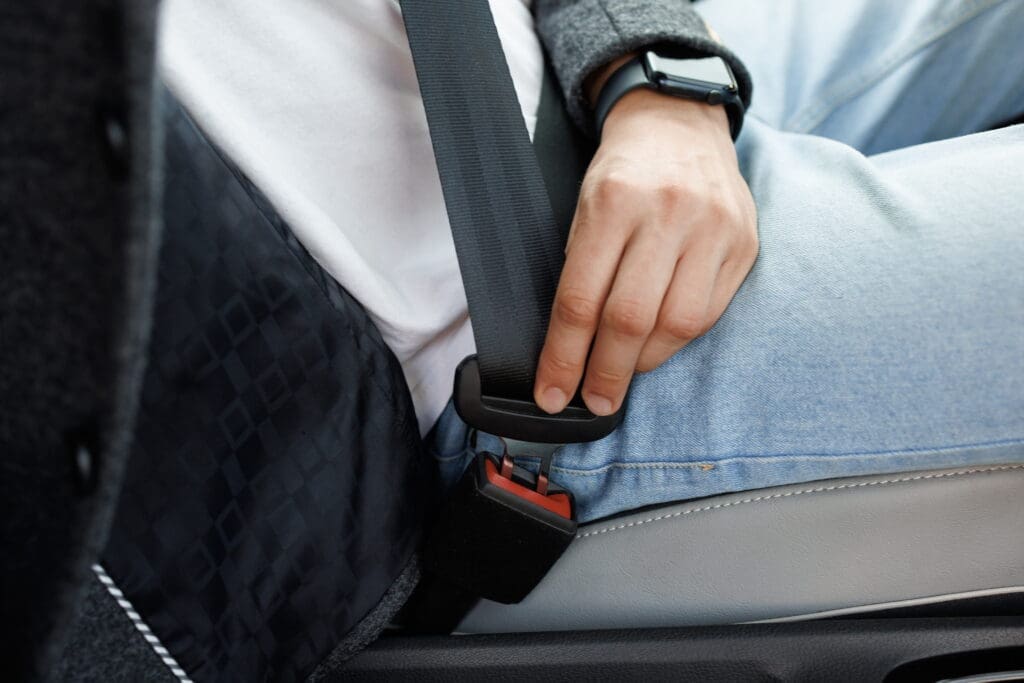
man buckling seatbelt in a car which can cause seat belt syndrome

Seat Belt Syndrome: Hidden Injuries After a Car Accident

Seat Belt Syndrome: Hidden Injuries After a Car Accident 8192 5464 Alex Weatherby

Most people buckle up without thinking twice. Seat belts are second nature, and they save lives every day. What is less commonly discussed is what can happen after a crash, when the force of that restraint leads to injuries that are not always obvious right away.

After an accident, some soreness or bruising where the seat belt crossed the body is expected. In some cases, though, that discomfort is an early sign of an internal injury that has not yet fully surfaced.

Seat belt syndrome is the medical term doctors use for this pattern of injury. Because symptoms are often delayed, problems may not appear until hours or even days later. This guide explains what seat belt syndrome is, which symptoms deserve attention, and how these injuries are viewed in Georgia when insurance questions arise.

What Is Seat Belt Syndrome?

Georgia’s car seat laws require that all children under the age of 8 must be in an appropriate child restraint system. This includes car seats, booster seats, or seat belts, depending on their age, Seat belt syndrome is the medical term doctors use to describe a pattern of injuries caused by the force of a seat belt during a crash. It goes beyond surface bruising and can involve internal injuries to the abdomen, chest, spine, or internal organs.

When doctors evaluate a seat belt injury, they usually look at it in two categories:

  • Surface injuries, such as redness, abrasions, or bruising along the path of the belt. These marks, sometimes called seatbelt burn or seat belt bruising, are easy to see and often easy to dismiss.
  • Internal injuries, which are more serious and far less obvious. These can involve internal bleeding, organ damage, or spinal injuries that may not cause immediate pain but develop worsening symptoms later on. 

One sign doctors watch closely is the seat belt sign, a bruise pattern across the chest or abdomen that follows the line of the belt and can indicate a higher risk of internal injury.

How Seat Belts Cause Injuries in a Crash

During a collision, the vehicle stops suddenly while the body continues to move forward. This is when the seat belt slows the body down and prevents far more serious outcomes.

When the force of the crash is significant, that restraint concentrates pressure across the areas where the belt makes contact. The shoulder belt absorbs force across the chest and upper torso, while the lap belt presses into the lower abdomen and pelvis. Depending on the crash, this pressure can strain internal organs, compress blood vessels, or place stress on the spine.

These injuries are not typically caused by incorrect seat belt use. They happen because of the forces involved in the collision itself. This is why serious injuries can occur even after crashes that did not seem extreme at the time, especially rear-end collisions where forward motion is sudden.

The “Seat Belt Sign” and What It Means

The seat belt sign refers to visible bruising or abrasions that follow the path of the seat belt across the body. It may appear as a horizontal bruise across the lower abdomen or a diagonal mark across the chest or shoulder, and the area often becomes more tender over time.

To doctors, seatbelt sign trauma is a red flag due to a strong link to possible internal abdominal injuries. Trauma research published through the National Institutes of Health shows that patients with abdominal seat belt bruising face a significantly higher risk of underlying organ damage, including injuries to the bowel or liver, even when outward symptoms appear minor.

Due to the risk, imaging is commonly recommended when the seat belt sign is present. The goal is to identify internal injuries early, before complications develop. Ignoring visible bruising can delay diagnosis and make recovery more difficult than it needs to be

Types of Seat Belt Injuries

Seat belt syndrome does not refer to a single type of injury. It describes a range of injuries that can affect different parts of the body depending on how the crash occurred and where the force was absorbed. Some are visible right away, while others develop over time.

Seat Belt Burns and Bruising

These are the most common seat belt injuries and often the easiest to dismiss. They usually appear as redness, abrasions, or bruising along the chest, shoulder, or lower abdomen. While the skin itself may heal, deeper or painful bruising, especially across the abdomen, can signal a higher risk of internal injury.

Chest and Rib Injuries

Force from the shoulder portion of the seat belt can lead to rib fractures, bruising of the lungs, or injury to the breastbone. Pain with breathing, coughing, or movement is common. While this discomfort is sometimes mistaken for muscle soreness, pain that lingers or worsens may signal a deeper injury that needs medical evaluation.

Abdominal and Organ Injuries

The lap belt can compress internal organs during a sudden stop, leading to a seat belt injury to the lower abdomen that may affect the bowel, liver, spleen, or nearby blood vessels. Symptoms may develop gradually, with pain, nausea, or bloating appearing hours or days after the crash.

Spinal and Neck Injuries

Even without direct impact, the spine absorbs significant force during a collision. This can result in compression fractures, soft tissue injuries, or strain to the neck and upper back. Ongoing pain, stiffness, numbness, or weakness should be evaluated, especially if symptoms change over time.

Delayed Symptoms of Seat Belt Syndrome

Seat belt syndrome symptoms do not always appear right away. Right after a crash, adrenaline and shock can mask pain. As the body settles, signs of injury may begin to surface.

Common delayed seat belt syndrome symptoms include:

  • Worsening abdominal pain
  • Nausea or vomiting
  • Fever
  • Bloating or abdominal swelling
  • Dizziness or lightheadedness
  • Blood in the urine or stool

These symptoms often appear within 24 to 72 hours, but timing can vary. Feeling “mostly okay” right after an accident does not necessarily mean there are no injuries. Changes in pain or discomfort over the following days are often what prompt further medical evaluation.

When to See a Doctor After a Crash

While it may be tempting to wait and see how you feel after a crash, seeing a doctor within 24 hours of a car accident is often the safest choice—even when injuries seem minor. This is especially important when seat belt bruising, abdominal discomfort, or chest pain is present.

Imaging tools like CT scans, MRIs, and X-rays allow doctors to detect injuries that are not visible during a physical exam. Early diagnosis can prevent further complications and guide appropriate treatment.

Medical records also play an important role beyond immediate care. When symptoms are documented early, it creates a clear timeline connecting the injury to the crash. This documentation often becomes critical later, especially if your symptoms worsen or additional treatment is needed.

Can You Sue for Seat Belt Injuries in Georgia?

A common question is whether an injury caused by a seat belt still counts as a crash-related injury under Georgia law. The answer surprises a lot of people, but yes.

Wearing a seat belt does not reduce someone’s right to compensation after a car accident. These injuries occur because of the collision’s force, not because a safety device failed or was used incorrectly. Even when a seat belt causes harm, the crash remains the legal cause of the injury.

Insurance adjusters sometimes try to draw a line between the accident and the injury by blaming the seat belt. That distinction does not change how these injuries are viewed legally. Seat belt injuries are still considered part of the overall harm caused by the collision, including in common scenarios like rear-end crashes, where the lap belt can cause abdominal trauma.Because recorded statements can shape how insurance companies frame injuries, injured drivers should speak with an experienced Atlanta car accident lawyer. These legal professionals protect victims from having their words used against them in personal injury claims.

How a Seat Belt Injury Lawyer Helps

A seat belt injury lawyer understands how complex these cases can be, especially when symptoms are delayed or internal injuries are involved. They often involve delayed symptoms, internal trauma, and medical explanations that are easy for insurance companies to minimize. 

Legal guidance in these cases is less about pressure and more about ensuring the injury is accurately understood. Here’s how:

Proving the Injury

These injuries rely heavily on medical documentation. Emergency room records, imaging, and follow-up visits help connect the injury to the crash, especially when symptoms develop over time. 

CT scans, MRIs, and X-rays are often used to identify internal trauma, while physician notes documenting bruising patterns, abdominal pain, and symptom changes help explain how the injury progressed. Treating doctors and specialists can also clarify how the collision’s forces caused the injury when insurers try to minimize its severity.

Dealing With Insurance Companies

Insurance adjusters frequently describe seat belt injuries as minor bruising, especially early on. When symptoms are delayed, insurers may argue that the injury is unrelated to the crash or that something else caused it.

Recorded statements taken too early are often used to support those arguments. Once a lawyer is involved, communication is handled more carefully, and the injury is framed based on medical evidence rather than assumptions made in the first few days after the crash.

Recovering Full Compensation

Seat belt injuries can affect more than just your health, especially when internal injuries are involved. Medical bills add up quickly, time away from work can create stress, and the physical recovery itself often disrupts daily routines. 

Compensation accounts for the full impact, including:

  • Emergency care and diagnostic imaging
  • Hospital stays or surgery for internal injuries
  • Follow-up visits and specialist care
  • Prescription medications and ongoing treatment
  • Lost income or reduced ability to work
  • Physical pain, emotional strain, and changes to everyday life

What to Do After a Crash If a Seat Belt Injury Is Suspected

When symptoms are unclear or developing, a few practical steps can help protect both health and future options.

  1. Seek medical attention
    Even if pain seems manageable, early evaluation helps identify injuries that may not be obvious right away.
  2. Pay attention to changes
    New or worsening symptoms over the next several days should be documented and shared with a medical provider.
  3. Be cautious with statements
    Early conversations with insurance companies can shape how an injury is viewed before the full picture is clear.
  4. Get informed guidance
    Understanding how seat belt injuries are evaluated medically and legally can prevent unnecessary complications later.

Seat Belt Injuries After a Crash: Frequently Asked Questions

What is seat belt syndrome?

Seat belt syndrome is a medical term for a pattern of injuries caused by the force of a seat belt during a crash. It can include surface bruising as well as internal injuries, most often affecting the abdomen, chest, or spine. Symptoms do not always show up right away.

Is seat belt bruising normal after a car accident?

Mild bruising can happen, but deeper or painful bruising, especially across the abdomen, can be a warning sign. Doctors often refer to this as the seatbelt sign, and it may indicate internal injury.

How long do seat belt injury symptoms last?

Minor injuries may heal within a few days or weeks. More serious injuries, particularly internal trauma, can take months to heal and may require ongoing treatment.

Can seat belt injuries be life-threatening?

Yes, they can. Injuries like internal bleeding or spinal trauma can become serious if they are not treated. This is why delayed symptoms should never be ignored.

How can someone tell if internal injuries are present?

Warning signs include abdominal pain, nausea, dizziness, bloating, fever, or blood in the urine or stool. Feeling fine right after a crash does not always mean there is no injury.

Can a claim be filed for seat belt injuries in Georgia?

Yes. Seat belt injuries are still considered crash-related injuries under Georgia law. Getting clear information early can help prevent misunderstandings with insurance companies later.

Getting Help After a Seat Belt Injury in Georgia

Seat belt injuries are often misunderstood. Because symptoms can be delayed and bruising may seem minor at first, people often question whether what they are feeling is normal or warrants attention.

This is where having steady, experienced legal guidance can make a difference. Weatherby Law Firm understands how seat belt injuries are evaluated medically and how insurance companies tend to respond when these injuries are involved. Their approach is focused on clarity and protection, helping injured drivers understand their options without pressure or urgency.

When medical concerns and insurance questions start colliding, clear information and steady guidance can make a real difference. For those looking to better understand their options after a crash, Weatherby Law Firm provides answers.

Schedule Your Free Consultation

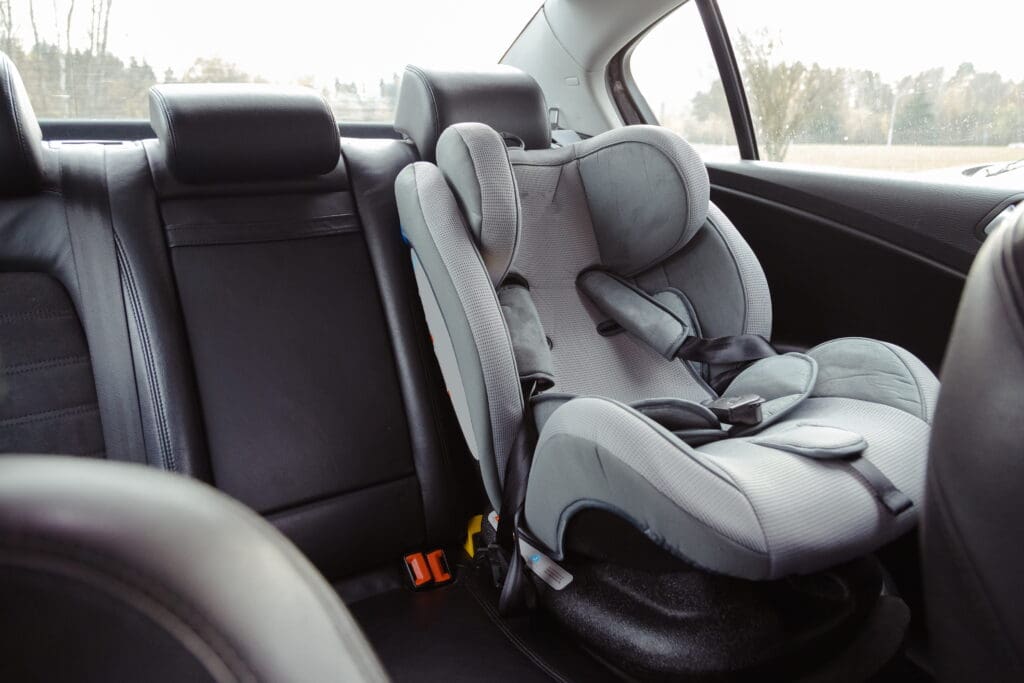
car seat in back seat of car to reprsent georgia car seat laws

Georgia Car Seat Laws and Child Car Safety Requirements

Georgia Car Seat Laws and Child Car Safety Requirements 2560 1707 Alex Weatherby

Car accidents are a leading cause of injury and death for children in the United States. In Georgia, the law sets minimum requirements for car seat safety, but following the best practices can provide even greater protection. 

The purpose of this guide is to help parents navigate Georgia’s car seat laws, breaking them down by age, height, and weight. We will also review front-seat guidelines, booster seat requirements, and what to do after an accident.

Buckle up, and let’s get started.

What Are the Car Seat Laws in Georgia?

Georgia’s car seat laws require that all children under the age of 8 must be in an appropriate child restraint system. This includes car seats, booster seats, or seat belts, depending on their age, weight, and height.

Below are some of the key car seat laws in Georgia:

  • Children under 8: Must use an approved child restraint system, such as a booster seat.
  • Height Requirement: Children who are under 4’9” (57 inches) tall must remain in the back seat.

Driver Responsibility: In Georgia, the driver—not just the parents—holds the responsibility for ensuring that all child passengers are properly restrained. Failing to comply can result in fines and points against the driver’s license.

Georgia Car Seat Laws by Age, Height, and Weight

Rear-Facing Car Seats (Infants & Toddlers)

In Georgia, rear-facing seats are required for infants and toddlers until they reach at least 1 year old. However, the car seat laws set minimums, and experts recommend keeping children rear-facing as long as possible, ideally until they exceed the maximum weight or height limits specified by the car seat manufacturer.

Forward-Facing Car Seats

Once a child reaches 1 year old and weighs 20 lbs, they can transition to a forward-facing car seat with a 5-point harness. Again, this is the minimum requirement—safety experts recommend keeping children in a forward-facing seat as long as possible to ensure optimal safety.

Booster Seat Requirements in Georgia

Booster seat laws apply to children under 8 years old or under 4’9″ tall. A booster seat helps ensure that the seat belt fits correctly across the child’s lap and chest. Many children need a booster seat even after turning 8 years old, and parents are encouraged to keep their children in a booster until the seat belt fits properly.

Is Brake Checking Illegal in Georgia?

In Georgia, brake checking is considered aggressive driving. Statute O.C.G.A. § 40-6-397 describes aggressive driving as the operation of a vehicle with the intent to “annoy, harass, molest, intimidate, injure, or obstruct another person.” Brake checking, therefore,  falls under this category, as its primary intent is to provoke or intimidate another driver.

  • Aggressive Driving: In Georgia, if you brake check someone, you could be charged with aggressive driving. This involves any intentional behavior designed to interfere with another driver’s ability to drive safely.
  • Reckless Driving: If the brake check is deemed excessive or performed dangerously, it could be classified as reckless driving, which carries more severe penalties.

If the brake check leads to an accident, the front driver may face criminal charges or liability, depending on the severity of the incident.

Table: Georgia Car Seat Laws


Topic

Georgia Law (Minimum Requirement)

Best Practice
Rear-facing seats
Required until 1 year oldRear-facing as long as possible, until the maximum height/weight is reached
Forward-facing seatsAllowed once minimum age/weight are met (1 year, 20 lbs)Keep the child in a harnessed forward-facing seat as long as possible
Booster seatsRequired until age 8 or 4’9” tallKeep the child in a booster until the seat belt fits properly (often beyond age 8)
Seat belt onlyAllowed at age 8 or 4’9” heightSeat belt only after a 5-step fit test
Front seat ridingAllowed with exceptions (if there is no back seat and the child weighs at least 40 lbs)Keep the child in the back seat until age 12-13

When Can a Child Ride in the Front Seat in Georgia?

In general, children under 8 years old and under 57 inches in height must ride in the back seat. However, there are a few exceptions to these car seat laws:

  1. Vehicle Does Not Have a Back Seat: Some vehicles, such as pickup trucks, do not have a back seat.
  2. The Back Seat Is Occupied by Other Children: If all available back seats are already occupied by properly restrained children, a child may ride in the front seat.

In these cases, the child must weigh at least 40 pounds and be secured correctly in a car seat or booster seat.

Airbag Dangers

Airbags are designed for adult-sized bodies, not children. They deploy with significant force and can cause serious injury or even death in younger children. Airbags can cause:

  • Head and neck injuries
  • Chest trauma
  • Suffocation or fatal injuries in small children

Best Practice Recommendation: The American Academy of Pediatrics (AAP) recommends that children ride in the back seat until they are at least 12-13 years old to avoid the risks posed by airbags and proximity to impact zones.

Common Car Seat Safety Mistakes Parents Make

Despite best efforts, many parents make common mistakes when it comes to car seat safety. These include:

  • Loose Installation: Car seats should be securely installed. A loose seat can increase the risk of injury.
  • Incorrect Harness Positioning: The harness straps should fit snugly over the child’s shoulders.
  • Bulky Coats: Winter coats can interfere with proper harness positioning.
  • Expired or Previously Damaged Seats: Car seats have expiration dates and should not be used after a crash.
  • Misunderstanding Manufacturer Limits: Always follow the manufacturer’s height and weight limits.

Car Seat Installation Help

If you’re unsure about your car seat installation, fire departments and organizations like SafeKids Worldwide offer free installation and inspection services. 

Why Car Seat Safety Matters in Car Accidents

Car seats are proven to reduce the risk of injury in car accidents. A study from the Georgia Attorney General’s Consumer Protection Division shows that booster seats can reduce injury risk by up to  59%, and rear-facing seats can reduce injury risk for infants by 71%. 

The AAP advocates for rear-facing seats as long as possible, citing their ability to better protect a child’s head, neck, and spine in the event of a crash.

What to Do If Your Child Is Injured in a Car Accident

If yoIf your child is involved in a car accident, follow these steps:

  1. Seek Medical Care Immediately: Even if injuries seem minor, seek immediate medical attention for a proper evaluation.
  2. Do Not Reuse a Car Seat After a Crash: Car seats are designed for one-time impact use. If your child’s car seat was involved in an accident, it should be replaced.
  3. Document the Scene: Take photos of the accident scene, your car seat, and any visible injuries.
  4. Insurance Considerations: Be sure to report the accident to your insurance company promptly.
  5. Contact an Attorney: Legal guidance is crucial when dealing with insurance claims or accidents with disputed fault. Contact an Atlanta car accident lawyer before speaking to insurance companies about your family’s injuries.
  6. Car Seat Replacement: You may be able to recover the costs of replacing the car seat. Safety guidelines recommend replacing the car seat after any accident.

Georgia Car Seat Laws FAQs

What are the car seat laws in Georgia?

Children under age 8 must use an approved child restraint system, and children under 57 inches (4’9”) tall must ride in the back seat. The driver (not just the parent) is legally responsible for proper restraint use.

What are Georgia’s booster seat requirements?

Booster seats are required for children under age 8 or under 4’9” tall, and they must be used with a lap and shoulder belt.

How tall does a child need to be to stop using a booster seat?

Children can stop using a booster seat when they are 4’9” tall, but the seat belt must fit correctly. The lap belt should sit low on the hip, and the shoulder belt should rest on the shoulder, not the neck.

Can a child ride in the front seat in Georgia?

Generally, children under age 8 and under 57 inches must ride in the back seat. Exceptions apply if the vehicle has no back seat or if all back seats are occupied by properly restrained children.

What happens if you don’t follow Georgia car seat laws?

Drivers may face fines up to $50 and points against their license for violations. Continued violations could result in higher penalties.

How a Georgia Car Accident Lawyer Can Help After a Crash Involving a Child

If your child is injured in a car accident, a skilled Georgia car accident lawyer can help protect your family’s rights for a successful recovery. 

At Weatherby Law Firm, we help auto accident injury victims:

  • Navigate the confusing injury claims process
  • Counter unfair insurance denials
  • Secure fair compensation for medical expenses and car seat replacement

Contact Weatherby Law Firm for a free consultation to discuss your case and ensure your family gets the compensation they deserve.

Schedule Your Free Consultation

Is Brake Checking Illegal in Georgia, and Who Is at Fault After an Accident?

Is Brake Checking Illegal in Georgia, and Who Is at Fault After an Accident? 2560 1707 Alex Weatherby

If you’ve ever been tailgated or seen brake lights flash in front of you without warning, you’re likely familiar with brake checking. This aggressive and dangerous behavior is a frustrating reality for many drivers on Georgia’s roads. 

Which begs the question: Is brake checking illegal? And if someone brake checks you, who is at fault?

In this article, we’ll break down how Georgia law interprets brake checking, how it fits into aggressive driving rules, and the steps you can take to protect your legal rights if you’re involved in an accident caused by this behavior.

What Is Brake Checking?

Brake checking is when a driver intentionally slams on their brakes to provoke or intimidate another driver. Typically, the goal is to retaliate against someone tailgating or to send a message. It’s a dangerous maneuver because it often leads to rear-end collisions and can cause chain reactions on the road.

Brake checking is more than just a frustrating experience for drivers; it poses a significant risk of accidents, especially when the rear driver cannot react quickly enough. In the worst-case scenario, this can lead to severe injuries or even fatalities.

Is Brake Checking Illegal?

Is it illegal to brake check someone? The short answer is yes—brake checking is illegal in many cases. 

The legality of brake checking hinges on the driver’s intent and whether the action was justified. It falls under both aggressive driving and reckless driving in most states, including Georgia.

Is Brake Checking Illegal in Georgia?

In Georgia, brake checking is considered aggressive driving. Statute O.C.G.A. § 40-6-397 describes aggressive driving as the operation of a vehicle with the intent to “annoy, harass, molest, intimidate, injure, or obstruct another person.” Brake checking, therefore,  falls under this category, as its primary intent is to provoke or intimidate another driver.

  • Aggressive Driving: In Georgia, if you brake check someone, you could be charged with aggressive driving. This involves any intentional behavior designed to interfere with another driver’s ability to drive safely.
  • Reckless Driving: If the brake check is deemed excessive or performed dangerously, it could be classified as reckless driving, which carries more severe penalties.

If the brake check leads to an accident, the front driver may face criminal charges or liability, depending on the severity of the incident.

Is Brake Checking Illegal in All States?

While Georgia has clear laws regarding brake checking, its legality varies by state. Most states classify brake checking as either aggressive driving or reckless driving. 

Is brake checking illegal in all states? Let’s take a look at how break checking is classified in Georgia and some of its surrounding states:

StateIs Brake Checking Legal?How It’s ClassifiedKey Notes
GeorgiaIllegalAggressive Driving, Reckless DrivingIntentional braking to intimidate or obstruct another driver; may shift fault in rear-end accidents.
FloridaIllegalReckless Driving, Careless DrivingSudden stops without justification are prohibited; the front driver may be held liable if intent is proven.
AlabamaIllegalReckless DrivingBrake checking is considered dangerous; fault may be shared with evidence of intent.
TennesseeIllegalAggressive DrivingIntentional road hazards, including brake checking, violate traffic laws. Rear-end presumption can be challenged.
South CarolinaIllegalReckless or Careless OperationSudden braking without cause could result in liability or citation.

If Someone Brake Checks You, Who Is at Fault?

In Georgia, the driver who rear-ends another vehicle is usually presumed to be at fault in a rear-end collision. However, if the front driver intentionally or recklessly brakes checks without a valid safety reason, liability may shift to them. 

Georgia law (O.C.G.A. § 24-14-2) allows fault to be disputed using evidence such as dashcam footage, traffic camera video, or eyewitness statements.

The front driver may be at fault if they:

  • Brake suddenly for no clear reason
  • Engage in road rage or aggressive driving
  • Intentionally cause a sudden stop

Additionally, under Georgia’s comparative negligence law, you cannot recover damages if you are more than 50% at fault. If you are less than 50% at fault, your compensation may be reduced proportionately based on your share of responsibility.

How Do You Prove Someone Brake Checked You?

To prove that a driver brake checked you, you’ll need solid evidence. Key forms of evidence include:

  • Dashcam footage: Provides clear visual evidence of the brake check.
  • Witness statements: Other drivers or passengers may have seen the brake check.
  • Police reports: Officers may document the cause of the accident.
  • Traffic or surveillance cameras: If available, these can capture the incident.
  • Vehicle damage patterns: The damage to your vehicle may indicate whether the brake check caused the accident.

Collecting evidence early is critical for a strong claim and preserving proof that break-checking occurred.

What Should You Do After a Brake Checking Accident?

Being involved in a brake-checking incident can evoke uncertainty. You may be wondering who’s at fault, or “Is brake checking illegal?” 

To protect your safety and legal rights, follow these steps:

  1. Call the police: Report the incident and ensure a police report is filed.
  2. Seek medical attention: Even minor injuries can develop into serious issues later.
  3. Document the scene: Take photos of the scene, damage, and any relevant evidence.
  4. Avoid admitting fault: Never admit fault at the scene, even if you think you might be partially responsible.
  5. Preserve evidence: Keep any dashcam footage, photos, and witness contact information.
  6. Contact a car accident attorney: Consult a legal expert to understand your rights and next steps.

Can You Recover Compensation After a Brake-Checking Accident?

If you’ve been involved in an aggressive driving accident, an experienced car accident attorney can recover compensation for your injuries and damages. 

Types of damages you can claim include:

  • Medical bills
  • Lost wages
  • Pain and suffering
  • Property damage

In some cases, punitive damages may apply if the brake-checking was especially reckless or intentional. Be mindful of Georgia’s statute of limitations, which generally allows two years from the date of the accident to file a claim.

Speak With a Georgia Car Accident Lawyer

If you’ve been involved in a brake-checking incident, you may be wondering, “is brake checking illegal in Georgia?” or “If someone brake-checks you, who is at fault?” 

Understanding your rights and the types of compensation available can make a big difference in your recovery.

At Weatherby Law Firm, our Georgia car accident attorneys have the experience, knowledge, and dedication to handle aggressive driving and brake-checking cases. We guide you through fault disputes, evidence collection, and insurance negotiations to help you pursue the justice you deserve.

Contact us today to schedule a free consultation and learn how we can help you recover maximum compensation and hold the responsible driver accountable.

Request a Car Accident Case Review Today

Brake Checking FAQs

Can you go to jail for brake checking?

Yes, brake checking can lead to criminal charges in Georgia, especially if it results in an accident. Depending on the severity, penalties may include charges, fines, and jail time. Video evidence, witnesses, or police citations increase the likelihood of criminal consequences.

Is tapping your brakes the same as brake checking?

Light or gradual braking for safety reasons is not generally illegal. Sudden braking without a legitimate reason may still be considered dangerous or reckless. 

What if I was tailgating when I got brake checked?

If you were tailgating, it may reduce your compensation, but it doesn’t automatically make you at fault. Georgia law allows you to recover damages if you are less than 50% at fault or the front driver brake-checked you.

Does insurance automatically blame the rear driver?

Insurance often assumes the rear driver is at fault, but this can be challenged if evidence shows the front driver intentionally brake checked or there was no legitimate reason to brake. Useful evidence includes dashcam footage, witness statements, traffic camera recordings, or police reports.

what to do when you hit a deer in georgia, photo of a dear jumping across a road with cars driving on it

What to Do When You Hit a Deer in Georgia

What to Do When You Hit a Deer in Georgia 2560 1708 Alex Weatherby

Hitting a deer is scary, but it happens far more often than most Georgia drivers realize. If you’re searching for what to do when you hit a deer, you’re likely dealing with shock, damage to your vehicle, or questions about whether you need to call the police or your insurance company. 

This guide explains what to do when you hit a deer in Georgia so you can stay safe, follow the law, and avoid insurance issues.

Why Deer Collisions Are So Common in Georgia

Georgia sees thousands of deer-related crashes every year. Georgia drivers face higher risks simply due to the state’s geography and wildlife patterns. Understanding these patterns helps explain why deer crashes are treated differently from typical car accidents.

According to the Georgia Department of Driver Services (DDS), deer collisions increase during certain seasons and times of day, especially when deer movement peaks.

Why these crashes happen so often:

  • Peak activity at dawn and dusk. Deer move most during low-light hours, making them harder to see.
  • Seasonal spikes. October through January is the rut (breeding season), when deer are far more active and unpredictable.
  • Georgia’s landscape. Many highways cut through wooded and semi-rural areas, even near cities. That mix increases the chances of deer entering the roadway.
  • Late winter feeding. When natural food sources drop, deer wander closer to busy roads.

Immediate Steps to Take After Hitting a Deer

“What do I do if I hit a deer?”

If you hit a deer, safety comes first. The scene may be confusing, especially if the deer is injured or your vehicle is damaged. Follow these steps to protect yourself, your passengers, and other drivers. If you’re unsure what to do when you hit a deer, start with these safety steps.

1. Pull safely off the road and turn on your hazard lights.

Move to a safe shoulder or parking area if possible. Activate your hazard lights to alert approaching drivers.

2. Check yourself and your passengers for injuries.

If anyone is hurt, call 911 immediately.

3. Do NOT approach the deer.

Injured deer can be unpredictable and dangerous. Stay back and wait for animal control or police if needed.

4. Call 911 if there are injuries, road blockage, or significant vehicle damage.

A deer lying in the roadway can lead to additional collisions, so emergency assistance may be required.

5. Document the scene.

Maybe the last (but one of the most important) thing on your mind after you hit a deer: an insurance claim. Take photos of the vehicle damage, the deer, debris, skid marks, and the surrounding road. This documentation will help your claim later on, and you’ll be glad you took the time to capture it.

6. If another vehicle was involved, exchange information.

Even if the deer caused the crash, multiple vehicles make it a standard accident scene under Georgia law.

Georgia’s Laws About Reporting Deer Collisions

Not every deer collision in Georgia has to be reported — but some must be under state law. Part of knowing what to do when you hit a deer is understanding when Georgia law requires you to report the crash. Two key Georgia statutes explain when drivers are required to call the police.

O.C.G.A. § 40-6-273 — When You MUST Report an Accident

You must report a crash to local law enforcement if it involves:

  • Injury or death
  • $500 or more in property damage
  • A hazard on the roadway (such as a dead or injured deer blocking traffic)

If hitting the deer caused your bumper to crumple, your hood to bend, or your headlights to break, you’ve likely exceeded $500 in damage. Modern vehicles can rack up large repair bills from even minor wildlife impacts, so it’s usually safer to assume the threshold is met.

O.C.G.A. § 40-6-274 — When You Do NOT Have to Report

If only your vehicle is damaged, no one is hurt, and the deer is off the roadway, you’re generally not required to file a police report.

You must stay at the scene until it’s safe to leave.

If the deer is still in the road or if other drivers are at risk, you cannot drive away. Georgia law requires you to remain at the scene long enough to ensure safety and compliance.

Taking the Deer Home — O.C.G.A. § 27-3-28

Georgia law allows drivers to keep a deer they hit by accident. However, the deer must not block traffic, and you should confirm it is safe and legal to remove it. We recommend calling authorities if the deer is large, poses a hazard, or needs removal by animal control.

When the Collision Leads to Injury

Especially when the collision leads to another vehicle crash or injury, legal issues like fault and liability become more complex. If you’re still unsure what to do when you hit a deer, consider contacting an Atlanta car accident lawyer

When You Should Call the Police Anyway — Even If It’s Not Required

There are several reasons why calling the police after hitting a deer is simply a smart move, even when Georgia law doesn’t demand it.

Why making the call helps:

  • Insurance companies prefer police reports. It gives them objective proof that the damage was caused by a deer.
  • It protects you from blame. If another driver later hits the same deer, someone may question your role in leaving the scene.
  • It helps establish a timeline. A report documents the date, time, and location — all critical for insurance claims.
  • Animal control can safely remove the deer. Officers can contact the proper authorities to clear the roadway.

Does Car Insurance Cover Hitting a Deer in Georgia?

Another key part of what to do when you hit a deer is knowing how insurance coverage applies.

The good news: Most deer collisions are covered by comprehensive insurance. This differs from collision coverage, and many drivers don’t realize the distinction.

What comprehensive insurance covers

Comprehensive typically pays for damage caused by deer or other wildlife collisions, weather damage, or vandalism after you’ve paid your deductible.

Liability-only policies will NOT cover deer damage

If you carry liability-only insurance, your policy does not cover vehicle damage from deer collisions. That coverage only applies to damage you cause to someone else.

Collision coverage may apply if you swerve

If you avoid the deer but hit a tree, guardrail, or another vehicle, collision coverage may apply instead of comprehensive.

PIP or MedPay for injuries

If you or your passengers were hurt, MedPay or PIP may help cover medical bills.

Do you need a police report for insurance?

It’s not legally required, but many insurers strongly prefer — or even request — one. Filing a claim without it is possible, but having a report can prevent delays or disputes.

What Happens If You Don’t Report a Deer Collision?

When you’re wondering what to do when you hit a deer in your car, don’t forget to file a police report. Failing to do so can cause more problems than many drivers expect, even when it is not a legal requirement.

You may violate Georgia reporting laws

If there are injuries, fatalities, or more than $500 in damage, you’re legally required to report the crash. Not doing so may result in penalties.

Your insurance claim may be denied or delayed

Insurance companies often want proof that a deer caused the damage. Without a report, the insurer may question the cause, or your claim may be misclassified as a regular collision instead of a comprehensive claim. In some cases, you may face a higher deductible or higher premiums, or the claim could be denied altogether.

You may face liability issues

If you leave the scene and the deer remains on the roadway, another driver could hit it, resulting in injury. That driver, or their insurer, may argue that you contributed to the hazard.

You lose important evidence

A police report helps document when and where your vehicle was damaged. This documented information protects your claim, reduces disputes, and prevents confusion later.

When a Deer Collision Becomes a Personal Injury Claim

Although many deer collisions result only in property damage, some situations can lead to serious injuries and liability concerns. A driver may be entitled to compensation depending on how the crash occurred.

A deer collision may become a personal injury claim when:

  • You swerved and hit another vehicle

If avoiding a deer causes a multi-car crash, liability becomes much more complicated. Georgia’s insurance companies may investigate who had the right-of-way and how the collision occurred.

  • Another driver hits you while avoiding the deer

Multi-vehicle collisions caused indirectly by wildlife can still lead to injury claims.

  • You hit a fixed object while avoiding the deer

Crashing into a tree, sign, or guardrail may trigger collision coverage and potential injury-related compensation.

  • Poor road conditions or property hazards contributed

If the road was known to have poor lighting, missing signage, or other hazards, a property owner may share some responsibility.

  • Severe cases may lead to wrongful death claims

Unfortunately, deer-related crashes can be fatal, especially at highway speeds.

Weatherby Law Firm can help determine whether the circumstances surrounding the deer collision support an injury claim.

What to Do If You’re Injured After Hitting a Deer

If you were hurt in a deer collision — or while swerving to avoid one — taking the right steps protects both your health and the potential legal claim.

  1. Seek medical attention immediately.

Some injuries are not obvious right away. Early treatment creates a clear record.

  1. Follow all treatment recommendations.

Insurance companies may argue your injuries aren’t serious if you delay care or skip follow-ups.

  1. Document everything. 

Keep records of medical bills, repair estimates, injury and damage photos, dash cam footage, and witness statements.

  1. Notify your insurance company promptly.

Report the collision, but avoid making assumptions about fault.

  1. Don’t give a recorded statement without legal guidance.

Insurers often use recorded statements to minimize your claim.

  1. Contact an attorney if you’re unsure of your rights.

An experienced car accident lawyer can review the crash, your injuries, and your options.

How Weatherby Law Firm Can Help After a Deer-Related Accident

Most deer collisions involve only property damage, but when an injury occurs — or when swerving causes a multi-vehicle crash — the situation becomes far more complex. Insurance companies often dispute or minimize wildlife-related claims, especially when liability is unclear. 

Weatherby Law Firm works with clients across Atlanta and throughout Georgia to:

  • Investigate the crash and determine how the deer played a role
  • Gather evidence such as dash cam footage, scene photos, and police reports
  • Review insurance policies and claim requirements
  • Communicate directly with insurers to prevent claim delays or unfair denials
  • Evaluate liability if multiple vehicles or hazardous road conditions contributed
  • Protect your rights when injuries are involved

If a deer collision escalates into a more serious accident, you don’t have to handle the insurance process alone. Contact Weatherby Law Firm for hands-on, trustworthy legal support rooted in local experience.

Frequently Asked Questions

Is it illegal not to report hitting a deer in Georgia?

You’re legally required to report the crash if there are injuries, fatalities, or more than $500 in property damage. If only your vehicle was damaged and the deer is not creating a roadway hazard, reporting is not mandatory — but it’s still recommended for documentation.

Do I need a police report for a deer insurance claim?

Not legally. However, insurers often request a report to verify the cause of the damage and expedite claim approval.

Should I swerve to avoid a deer?

No. Swerving often leads to more severe crashes. Georgia DDS recommends braking firmly while maintaining your lane.

Does car insurance cover hitting a deer?

It depends. Comprehensive car insurance generally covers deer collisions, while liability-only policies do not. Collision coverage may apply if you swerved and hit another object. MedPay or PIP may help with injury expenses.

Can I take the deer home if I hit it in Georgia?

Yes. O.C.G.A. § 27-3-28 allows drivers to keep a deer they hit, provided it’s removed safely and does not block traffic.

What should I do if another car was involved in the deer crash?

Treat it as a standard multi-vehicle accident. Exchange information, call the police, take photos, and consider speaking with an attorney because liability becomes more complex.

Will my insurance go up after hitting a deer?

Comprehensive claims usually do not raise premiums, but policies vary by insurer. A police report can help verify the cause.

Final Thoughts — Protect Yourself After a Deer Accident

Deer collisions happen quickly and unexpectedly, but knowing what to do when you hit a deer helps you stay calm, safe, and protected afterward. The most important steps include documenting the scene, understanding when you must report the crash, and notifying your insurance company promptly. When in doubt, calling the police helps create a clear record that can prevent future disputes.

If you suffered injuries, were involved in a multi-vehicle crash, or have questions about liability after a deer collision, Weatherby Law Firm is here to help.

Contact us today for clear, informed guidance and strong representation to ensure you receive the compensation you’re entitled to.

Find Out What Your Case is Worth Today

atlanta rental car accident attorney

Not At-Fault Rental Car Accidents: What To Do & How to Protect Yourself

Not At-Fault Rental Car Accidents: What To Do & How to Protect Yourself 2560 1707 Alex Weatherby

If you’ve been in a not-at-fault accident rental car situation, it’s okay to feel overwhelmed. Because they involve unfamiliar vehicles and additional insurance layers, rental car accidents are far more disorienting than regular crashes.

This guide breaks down what to do at the scene of a rental car accident, who pays, how insurance works, and how a car accident lawyer can help protect you from unnecessary charges.

What To Do Right After a Rental Car Accident

Follow these step-by-step instructions to protect your health and your legal rights if you’re ever involved in a car accident in a rental car:

Step 1 – Check for Injuries and Call 911

Your safety comes first. Move to a safe area away from traffic if possible. Check yourself and others for injuries. If anyone is hurt or the vehicles are damaged, call 911 right away. A medical record created early makes your claim stronger later on.

Step 2 – Exchange Information With the Other Driver

Collect the other driver’s:

  • Name
  • Phone number
  • License plate number
  • Insurance information
  • Rental car company name (if they’re also in a rental)

Step 3 – Document the Scene and the Rental Vehicle

Documentation is critical in not-at-fault accident rental car situations. Rental companies often charge your card first and sort things out later, so take photos and videos of everything, including:

  • Damage to both vehicles
  • Road conditions, signs, and weather
  • Injuries
  • The interior and exterior of the rental car

Step 4 – Get a Police Report

Ask the officer for a report number before leaving the scene. Insurance companies rely heavily on police reports to determine fault and who pays.

Step 5 – Notify the Rental Car Company

Call the emergency number listed in your rental agreement. Each company has its own rental car accident procedure and required forms. Follow their instructions but avoid admitting fault.

Step 6 – Contact Your Own Insurance Company

Even in a rental car accident where you aren’t at fault, your insurer can help guide the process. In many cases, your personal policy extends to rental vehicles, but coverage varies. Reporting early helps prevent the rental company from controlling the narrative.

Step 7 – Consider Calling a Rental Car Accident Lawyer

If the rental company pressures you, fault is disputed, or you’re unsure how to handle multiple insurers, it may be time to talk with a professional car accident lawyer.

Who Pays After a Rental Car Accident?

Sorting out payment after a rental crash can feel confusing because you’re dealing with the other driver, the rental company, your insurer, and sometimes even your credit card company. Depending on the assigned fault, here’s who pays in an accident with a rental car:

If You’re Not at Fault

In most cases, the at-fault driver’s liability insurance is responsible for paying for:

  • Damage to the rental car
  • Your medical bills
  • Lost wages
  • Other accident-related losses

The rental company may deal directly with the at-fault insurer, but they may temporarily charge your card for damage or loss-of-use fees while waiting for reimbursement. If this happens, keep documentation. These charges can be refunded once liability is confirmed.

If You Might Be at Fault or Fault Is Disputed

If fault isn’t clear, your policy may need to intervene first. This can include:

  • Your collision coverage
  • Optional rental coverage
  • Medical payments coverage, if you have it

When fault is contested, a rental car accident lawyer will protect your rights and help you avoid unnecessary charges.

How Insurance and Rental Agreements Work in a Rental Car Accident

Rental accidents involve several layers of coverage. Understanding how they work helps you minimize or avoid out-of-pocket payments.

Your Personal Auto Policy

Your personal auto insurance often provides:

  • Liability coverage: Injuries and property damage you cause to others.
  • Collision coverage: Damage to the rental car, if you carry it.
  • Comprehensive coverage: Non-collision damage such as vandalism or theft.
  • Uninsured/Underinsured Motorist (UM/UIM): Helps if the at-fault driver doesn’t have enough coverage.

Key notes:

  • In many states, your personal liability policy extends to rental vehicles, but liability only covers damage you cause to someone else.
  • Collision and comprehensive usually extend to rental cars if you already have them on your personal vehicle.
  • If you purchased a damage waiver from the rental company, your personal policy may act as secondary coverage or not apply at all. Always check your policy after the crash to see what applies.

Rental Car Company Coverage and Damage Waivers

Most rental companies offer a Collision Damage Waiver (CDW) or Loss Damage Waiver (LDW) at the counter. These aren’t insurance—they’re contracts that remove your financial responsibility for the rental vehicle if it’s damaged or stolen.

What CDW/LDW Typically Covers

  • Most repair costs
  • Diminished value claims
  • Loss-of-use fees
  • Administrative fees
  • Some of the parts and labor costs tied to collision damage

What Waivers Often Don’t Cover

  • Damage caused by unauthorized drivers
  • Damage linked to speeding, off-roading, DUI, or reckless driving
  • Damage that happens while violating the rental agreement
  • Personal belongings inside the car

If you decline the waiver, the rental company may charge your card for repair costs during the investigation. Keep every receipt and letter, as documentation helps maximize your compensation once fault has been assigned.

Credit Card Rental Car Coverage

Many major credit cards include secondary rental car coverage, and some premium cards offer primary coverage. This coverage varies widely but may include:

  • Collision damage to the rental car
  • Theft of the rental car
  • Towing expenses
  • Certain fees charged by the rental agency

Credit card coverage usually does not cover injuries, property damage to others, or personal items.

To use this coverage, the cardholder typically must:

  • Pay for the rental with the card
  • Decline the rental company’s CDW/LDW
  • Meet the card’s time limits and paperwork requirements

Common Rental Car Accident Scenarios (And What to Do)

Every rental car accident is different, but most fall into a few common scenarios. Here’s what typically happens and how to protect yourself.

Someone Hits Your Rental Car (You’re Clearly Not at Fault)

If another driver hits your vehicle, the steps are similar to but more important than those of a regular crash because you’re dealing with a rental agreement.

Here’s what to do if someone hits your rental car:

  • Call the police and request an accident report.
  • Get the at-fault driver’s insurance details.
  • Take photos of the rental from all angles.
  • Contact the rental car company and your insurer.

If you’re in a not-at-fault accident rental car scenario, you usually don’t have to pay for damage. The rental company might place temporary charges on your card, but those should be refunded once liability is confirmed.

You’re Driving a Rental and Hit Another Car

If you collide with another driver while driving a rental car, stay calm and follow the same steps:

  • Check for injuries
  • Call police
  • Notify the rental agency
  • Document everything

Your personal auto insurance usually acts as primary coverage and pays for injuries or property damage you cause.

If you bought the rental company’s damage waiver, you may be protected from paying for damage to the rental car itself, unless the agreement was violated. If you didn’t buy the waiver, you could be responsible for repair costs, loss-of-use fees, and administrative fees.

Even when you think you’re responsible, calling a rental car accident lawyer can help prevent overcharging and protect your rights.

You’re a Passenger in a Rental Car Accident

Passengers often have strong injury claims because they typically can’t be blamed for causing the crash.

Depending on fault, passengers may:

  • File a claim against the at-fault driver
  • Use the rental driver’s insurance for medical expenses
  • Use their own insurance if they have MedPay or UM/UIM coverage
  • Seek compensation for medical bills, lost income, pain and suffering, and more

If injuries are serious or multiple drivers are blamed, speak with a lawyer before accepting a settlement offer.

When to Call a Rental Car Accident Lawyer

Car accidents in rental cars often involve multiple insurers, and each one may try to deny liability. Legal help can protect your rights and keep you from paying out of pocket.

Red Flags That You Need Legal Help

You should consider calling a lawyer if:

  • You suffered serious injuries
  • The rental company starts billing you for damage
  • There’s a dispute about fault
  • Multiple insurers are pointing fingers at each other
  • You’re in a not-at-fault accident rental car situation, but are being charged anyway

How a Lawyer Helps in a Rental Car Accident Case

A rental car accident lawyer will:

  • Investigate fault and gather evidence
  • Work directly with the rental company
  • Handle communication with every insurer
  • Challenge unfair bills or loss-of-use fees
  • Protect you from low settlement offers
  • Seek full compensation for injuries, lost wages, and pain and suffering

If you need help navigating the legal aftermath of a rental car accident, speak with an Atlanta car accident lawyer at Weatherby Law Firm for guidance.

FAQs About Rental Car Accidents

1. What should I do if someone hits my rental car and it’s not my fault?

Call the police, get an accident report, gather evidence, and notify both the rental company and your insurer. Good documentation helps prove you weren’t responsible and prevents wrongful charges.

2. Does my personal car insurance cover a rental car accident?

In many cases, yes. Liability coverage usually extends to rental vehicles, and collision/comprehensive may apply if you already have them. Coverage varies by insurer, so check your policy after the crash.

3. Do I have to pay for rental car damage if I wasn’t at fault?

Usually no. The at-fault driver’s insurer should pay. Sometimes the rental company charges your card upfront, but those charges can be refunded after liability is confirmed.

4. Can a rental car accident affect my insurance rates?

If you weren’t at fault, rates typically don’t increase. If your insurer pays first during the investigation, rate changes depend on the company and your policy.

5. Do I need a rental car accident lawyer if the crash was minor?

It depends on how the rental company and insurers react. If fault is unclear or the rental company charges extra fees, getting a lawyer involved can protect you from paying more than you should.

Talk to Weatherby Law Firm About a Rental Car Accident in Atlanta

A rental car accident can leave you dealing with confusing insurance rules, unexpected charges, and a rental company that seems more focused on billing than helping. When you’re in a not-at-fault accident rental car situation, the process feels even more overwhelming.

But you don’t have to make sense of it alone. 

Weatherby Law Firm has experience handling complex rental car accident cases in Georgia. Our team helps protect clients from unfair charges, pushes back against insurance companies, and guides you through each step of the claims process.

Contact Weatherby Law Firm today for a free consultation. We will listen to your story and help you understand your options after a rental car accident.

motorcycle lane splitting in georgia

Is Lane Splitting Legal in GA? Understanding Motorcycle Safety Laws in Atlanta

Is Lane Splitting Legal in GA? Understanding Motorcycle Safety Laws in Atlanta 2560 1707 Alex Weatherby

Motorcycle riders often see lane splitting as a way to beat congestion or avoid inattentive drivers. But in Georgia, this maneuver is strictly illegal under O.C.G.A. § 40-6-312, which prohibits operating a motorcycle “between lanes of traffic or between adjacent lines or rows of vehicles.”

For those who presumed lane splitting is legal in GA, it’s important to understand that Georgia motorcycle laws aren’t just about avoiding a ticket—it’s about protecting your safety and your right to fair compensation if you’re ever in a crash. The purpose of this guide is to help riders across Atlanta and throughout the state navigate these complex regulations and pursue justice after motorcycle accidents.

Is Lane Splitting Legal in Georgia?

No. Lane splitting is illegal in Georgia.

The state’s motorcycle code makes it clear: riding between lanes or rows of vehicles is a violation. However, lane sharing—two motorcycles traveling side-by-side in the same lane—is legal if done safely.

  • Lane splitting: Riding between lanes or rows of traffic. It is illegal in the state of Georgia
  • Lane sharing: Two motorcycles riding side by side in one lane. It is legal in the state of Georgia

Violating Georgia motorcycle law can lead to citations, fines, and potential liability if a crash occurs. Because the state recognizes these violations as evidence of unsafe operation, it can also affect the outcome of an insurance claim or lawsuit.

Why Motorcycle Riders Are Tempted to Lane Split

Many riders consider lane splitting because it seems practical, or even protective, in heavy traffic. Common reasons include:

  • Avoiding long waits in gridlock
  • Preventing engine overheating on hot Atlanta days
  • Staying visible to drivers and avoiding rear-end collisions

While these motivations may seem justifiable on slow, congested roads, lane splitting remains a traffic offense in Georgia. Worse, it can complicate your legal case if you’re injured in an accident. Even if another driver caused the crash, insurance companies may argue that your illegal maneuver contributed to the collision.

How Lane Splitting Affects Motorcycle Accident Liability

Georgia follows a modified comparative negligence rule, meaning you can recover damages only if you are less than 50% at fault for the crash. If you’re found 50% or more responsible, you’re barred from recovery.

Example:
A rider lane-splits through backed-up traffic while a car changes lanes without signaling. The court could find both parties partly responsible.

Insurance companies often use lane-splitting violations to reduce or deny claims, arguing the rider’s actions show negligence. Hiring an experienced personal injury attorney helps counter these tactics and ensure the facts—not bias—determine liability.

What Georgia Law Says About Motorcycle Safety

Helmet & Eye Protection Requirements

Under the Georgia helmet law (O.C.G.A. § 40-6-315), all motorcycle operators and passengers must wear a DOT-approved helmet. Failing to do so can result in fines up to $1,000 or even jail time. Riders must also wear eye protection or use a motorcycle equipped with a windshield.According to the Georgia Department of Driver Services (DDS), helmets reduce the risk of death by 37% and serious head injury by 69%.

Passenger & Equipment Laws

  • A motorcycle must be designed for two people to carry a passenger (O.C.G.A. § 40-6-311)
  • Passengers must have their own footrests and wear a helmet
  • Handlebars cannot exceed 25 inches above the seat (O.C.G.A. § 40-6-314)
  • Riders must wear proper footwear—no bare feet or socks only

Lighting, Visibility & Signaling

  • Headlights and taillights must be on at all times (O.C.G.A. § 40-6-312 (e))
  • Motorcycles built after 1972 require working turn signals and illuminated license plates
  • Flashing or colored lights (blue, red, or green) are prohibited

These laws improve visibility and safety for riders—particularly important on Atlanta’s busy highways.

Insurance & Licensing Requirements

In Georgia, riders must carry minimum liability insurance of:

  • $25,000 bodily injury per person
  • $50,000 bodily injury per accident
  • $25,000 property damage

Riders also need a Class M license and must be 16 or older. Optional coverages like uninsured/underinsured motorist (UM/UIM) insurance can provide crucial protection when the at-fault driver lacks sufficient coverage.

How to Stay Safe and Comply With Georgia Motorcycle Laws

Below is a side-by-side comparison of compensatory vs. punitive damages:

Legal Maneuvers That Improve Safety

  • Lane sharing (two motorcycles per lane) when safe
  • Maintain proper lane positioning for visibility
  • Use HOV lanes—motorcycles are permitted in Georgia
  • Obey posted speed limits and keep a safe following distance

Safety Practices Every Rider Should Follow

  • Always wear protective gear—helmet, gloves, jacket, pants, and boots
  • Inspect your bike before each ride (lights, tires, brakes)
  • Ride defensively: stay alert and never assume drivers see you
  • Avoid distractions and never ride impaired
  • Use reflective clothing and keep lights on day and night

What to Do After a Motorcycle Accident in Georgia

GEven if you were partly at fault for a motorcycle accident, you may still qualify for partial compensation depending on your percentage of responsibility.

After an accident:

  1. Call 911 and seek medical attention immediately
  2. Gather witness information and take photos of the scene
  3. Do not admit fault at the scene or to insurers
  4. Contact an experienced Georgia motorcycle accident attorney

The legal team at Weatherby Law Firm investigates each crash thoroughly, challenges unfair fault claims, and ensures insurance companies don’t minimize your rights. If your motorcycle safety was compromised and you were injured due to another person’s negligence, contact us to schedule a free consultation. We’ll take time to listen to your story and develop a legal strategy tailored to maximize your recovery.

FAQs About Georgia Motorcycle Laws

Is lane splitting legal in Georgia?

No. Georgia law (O.C.G.A. § 40-6-312) prohibits lane splitting.

What happens if I’m caught lane splitting?

You can be ticketed and fined, and the violation may affect your accident claim.

Is it legal to ride without a helmet in Georgia?

No. All riders and passengers must wear helmets approved by the Department of Transportation.

Can two motorcycles share a lane?

Yes. Lane sharing is allowed when performed safely.

Do I need special motorcycle insurance?

Yes. Georgia requires minimum liability coverage. Additional policies like UM/UIM provide extra protection.

Ride Smart, Stay Safe, and Know the Law

Georgia’s motorcycle laws exist to save lives and ensure that, when accidents occur, riders have legal protection. By riding defensively and knowing your rights, you can enjoy the open road with confidence.

If you’ve been injured in a motorcycle crash—whether or not lane splitting was involved—contact Weatherby Law Firm today for a free consultation. Our attorneys fight to protect Georgia riders and secure the justice they deserve.

what happens to the expenses in my case after settlement

Compensatory vs. Punitive Damages: Understanding the Difference in Personal Injury Cases

Compensatory vs. Punitive Damages: Understanding the Difference in Personal Injury Cases 750 500 Alex Weatherby

When you’re injured because of someone else’s negligence, you have the legal right to seek damages — monetary compensation awarded to restore what you’ve lost. In Georgia, injury victims can recover two main types: compensatory damages and punitive damages.

While compensatory damages are designed to make victims “whole again,” punitive damages exist to punish wrongdoers for reckless or malicious conduct and discourage others from engaging in similar behavior.

Under Georgia law (O.C.G.A. § 51-12-4), anyone who has been wrongfully injured can pursue compensation for their losses. When a defendant’s behavior shows willful misconduct, fraud, or conscious indifference to consequences, punitive damages may also apply under O.C.G.A. § 51-12-5.1.

Compensatory vs. punitive damages: this guide breaks down their differences in detail and explains how expert legal representation from Weatherby Law Firm helps clients recover both.

What Are Legal Damages in Personal Injury Claims?

In Georgia’s civil system, damages represent the financial award given to an injured person after another party’s negligence or misconduct causes harm. The goal is twofold:

  • To restore victims to their pre-accident condition as much as possible.
  • To discourage wrongful conduct by holding at-fault parties accountable.

Types of Legal Damages in Georgia:

  • Compensatory Damages – Covers both economic and non-economic losses.
  • Punitive Damages – Punishes the wrongdoer for intentional or extreme misconduct.
  • Nominal Damages – Symbolic compensation for those rare personal injury cases where rights were violated but financial harm was minimal.

What Are Compensatory Damages?

Compensatory damages are the most common form of recovery in Georgia personal injury cases. They reimburse victims for actual losses — both financial and emotional — resulting from an accident. Their purpose is simple: to make the victim “whole again.”

Economic Damages

Economic damages represent tangible, measurable losses that are supported by receipts, bills, or other documentation.

Examples include:

  • Medical expenses (past, current, and future care)
  • Lost wages or loss of earning capacity
  • Property damage (such as vehicle repairs or replacement)
  • Rehabilitation or therapy costs

Non-Economic Damages

ONon-economic damages account for intangible suffering that doesn’t have a direct price tag. These losses reflect emotional pain, physical discomfort, and changes in overall quality of life.

Examples include:

  • Pain and suffering
  • Emotional distress or anxiety
  • Loss of enjoyment of life
  • Disfigurement or permanent scarring
  • Loss of consortium (loss of companionship or support from a spouse or partner)

How Non-Economic Damages Are Calculated:

Attorneys often use one of two methods:

  • Multiplier Method: Economic damages are multiplied by a number (typically 1.5–5) based on the injury’s severity and impact.
  • Per Diem Method: A daily rate is assigned to pain and suffering, multiplied by the number of days the victim is expected to endure the effects.

What Are Punitive Damages?

Unlike compensatory damages, punitive damages don’t aim to repay the victim. Instead, their purpose is to punish defendants for egregious conduct and deter others from similar behavior.

Punitive damages are reserved for exceptional cases where the defendant’s actions were intentional, malicious, or grossly negligent. They also carry a higher burden of proof, requiring “clear and convincing evidence” rather than a mere “preponderance of evidence.”

When Are Punitive Damages Awarded in Georgia?

Under O.C.G.A. § 51-12-5.1, a plaintiff must prove that the defendant’s behavior involved:

  • Willful misconduct
  • Malice or fraud
  • Wantonness
  • Or a conscious indifference to consequences

Common examples include:

Georgia’s Limits on Punitive Damages

InGeorgia law caps most punitive awards at $250,000, but there are exceptions:

  • No cap for product liability cases
  • No cap if the defendant was under the influence of drugs or alcohol
  • No cap for intentional harm

Compensatory vs. Punitive Damages: Key Differences

Below is a side-by-side comparison of compensatory vs. punitive damages:


Feature

Compensatory Damages

Punitive Damages

Purpose

To compensate the victim for actual losses

To punish and deter egregious behavior

Basis

Proven economic and non-economic harm

Defendant’s reckless or intentional conduct

Proof Standard

Preponderance of the evidence

Clear and convincing evidence

Frequency

Common in most personal injury cases

Rare; only in extreme cases

Amount Determined By

The value of losses and expert testimony

Court discretion within legal limits

Examples

Medical bills, lost wages, and pain & suffering

Drunk driving, product liability, and corporate negligence

How Georgia Courts Calculate and Award Damages

Georgia courts evaluate damages through careful documentation, testimony, and the presentation of evidence.

  • Compensatory Damages: Determined based on bills, receipts, expert analysis, and witness testimony that verify the extent of losses.
  • Punitive Damages: Typically assessed during a separate bifurcated (two-phase) trial, where juries first decide liability and compensatory damages, then deliberate on punitive amounts.

Judges and juries consider the severity of the misconduct, the degree of intent, and the need for deterrence. Appellate courts can review and reduce punitive awards that exceed constitutional limits or appear disproportionate to the harm caused.

Common Cases That Involve Compensatory and Punitive Damages

Many Georgia injury cases may qualify for both types of damages, depending on the defendant’s behavior:

  • Car accidents caused by drunk or reckless drivers
  • Trucking accidents involving safety violations
  • Medical malpractice or nursing home abuse
  • Defective products or large-scale class action suits
  • Premises liability where property owners ignore known hazards

Why You Need a Personal Injury Lawyer for Damage Recovery

Proving damages requires skill, evidence, and a deep understanding of Georgia law. An experienced personal injury lawyer will:

  • Gather medical records, employment data, and expert testimony to quantify compensatory damages.
  • Identify conduct that may justify punitive damages under O.C.G.A. § 51-12-5.1.
  • Present clear, persuasive arguments that withstand insurance company challenges and defense tactics.

At Weatherby Law Firm, we leverage our trial experience and prior defense-side insight to build strong cases that maximize client recovery — whether through negotiation or courtroom verdicts.

FAQs About Compensatory and Punitive Damages in Georgia

What is the main difference between compensatory and punitive damages?

Compensatory damages cover actual losses (medical bills, wages, pain and suffering). Punitive damages punish reckless or intentional behavior and deter future misconduct.

Are punitive damages taxable in Georgia?

Yes, punitive damages are taxable under federal law. Compensatory damages, on the other hand, generally aren’t taxable, except for certain non-physical emotional distress claims.

What qualifies for punitive damages in Georgia?

Punitive damages apply when a defendant’s actions involve willful misconduct, malice, fraud, or conscious indifference to consequences — such as drunk driving or knowingly unsafe business practices.

Can you receive both compensatory and punitive damages?

Yes. Many cases involve both, though punitive damages are only awarded in exceptional circumstances.

How are compensatory damages calculated after a car accident?

Economic losses are totaled, then non-economic losses are estimated using either the multiplier or per diem method, depending on the injury’s severity and lasting effects.

Partner with Experienced Georgia Attorneys for the Compensation You Deserve

Compensatory vs. punitive damages — understanding the difference between them can be the key to securing the full recovery you deserve. 

At Weatherby Law Firm, our Georgia personal injury attorneys have the knowledge, courtroom experience, and dedication to pursue both types of damages where applicable.

Contact us today to schedule a free consultation and learn how we can help you recover maximum compensation and secure the justice you deserve.

    Your Name *

    Your Email *

    Your message