Call Now

Personal Injury

What Happens if the Other Driver Doesn't Have Insurance in Georgia

What Happens If the Other Driver Is Uninsured in Georgia?

What Happens If the Other Driver Is Uninsured in Georgia? 2560 1707 Weatherby

Despite being illegal, an alarming number of Georgia motorists drive without insurance coverage, creating significant risks for law-abiding drivers on our roads. 

If you’ve been in a car accident, what happens if the other driver doesn’t have insurance?

When an uninsured driver causes an accident, the path to financial recovery becomes substantially more complicated, leaving victims wondering if they’ll be forced to carry the financial burden themselves. Understanding your legal options following such an incident is critical to protecting your financial future and ensuring you don’t end up paying for someone else’s negligence.

Georgia’s Auto Insurance Requirements

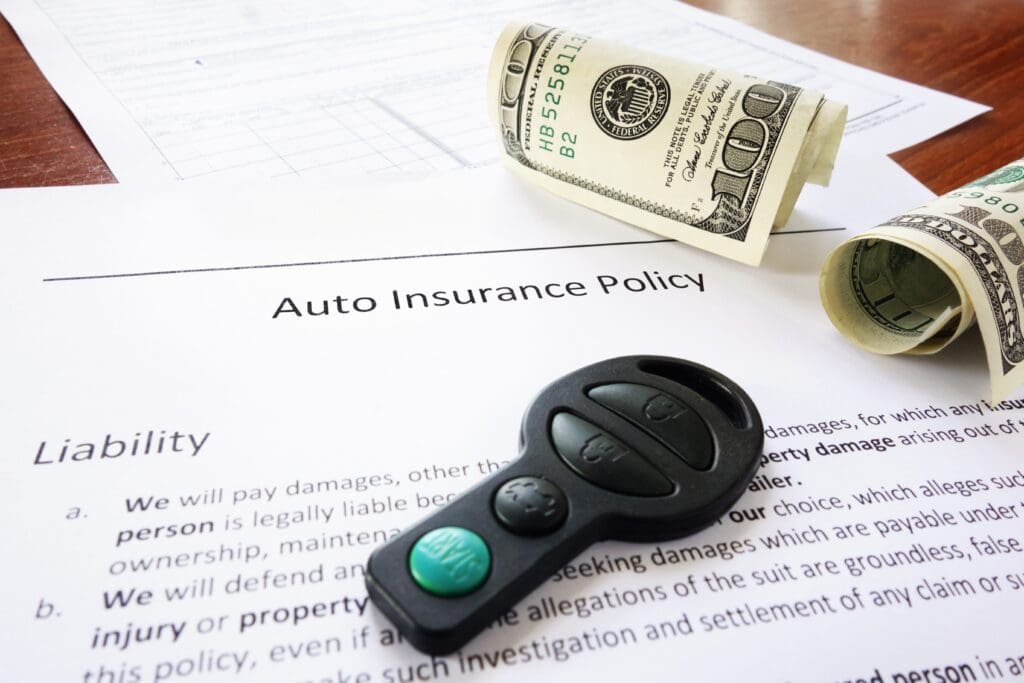
Operating a vehicle without minimum insurance coverage isn’t just risky—it’s against the law. Georgia state law mandates that all drivers carry minimum liability insurance with coverage limits of:

  • $25,000 for bodily injury per person
  • $50,000 for total bodily injuries per accident
  • $25,000 for property damage

Optional Protection: UM/UIM Coverage

While Georgia doesn’t require uninsured motorist (UM) coverage, this optional protection can be invaluable when an uninsured driver hits you. On the other hand, underinsured motorist (UIM) coverage typically applies when the at-fault driver has insufficient insurance rather than no car insurance.

What to Do Immediately After an Accident with an Uninsured Driver

  1. Call the police immediately – a detailed accident report is crucial evidence for future claims involving uninsured drivers.
  2. Document everything thoroughly – take extensive photos of vehicle damage, injuries, the accident scene, and collect contact information from all witnesses.
  3. Exchange information with the other driver – get their name, address, phone number, and driver’s license number, even if they admit to having no car insurance.
  4. Notify your insurance company promptly – report the accident as soon as possible, and don’t forget to mention that the other driver appears to be uninsured.
  5. Seek medical attention – get evaluated by a healthcare provider even if injuries seem minor, as documentation creates an important record of evidence.
  6. Avoid admitting fault or blame – don’t make statements that could be interpreted as accepting responsibility for the accident.
  7. Don’t accept cash offers – uninsured drivers sometimes offer immediate cash payments to avoid legal consequences. Do not accept them, as they are almost always insufficient.

What Are Your Legal Options Against an Uninsured Driver?

Filing a lawsuit against the uninsured driver is a legal option that allows you to pursue compensation for things like:

However, many uninsured drivers are considered “judgment-proof” because they lack significant assets or income, making it difficult or impossible to collect awarded damages even after winning your case. 

An experienced car accident lawyer can assess the uninsured driver’s financial situation to determine whether litigation is worth pursuing or if alternative recovery methods might be more beneficial for your situation.

How Uninsured Motorist (UM) Coverage Can Protect You

UM coverage serves as a crucial safety net for Georgia drivers, as it provides compensation that would typically come from an at-fault driver’s liability insurance when that driver has no coverage. While Georgia doesn’t require UM/UIM coverage, this optional protection can mean the difference between financial recovery and significant personal loss after an accident with an uninsured motorist.

Georgia offers two types of UM coverage:

1. “Reduced-by” (traditional) coverage subtracts the at-fault driver’s insurance limits from your total available coverage.

2. “Add-on” coverage provides your full policy limits on top of any recovery from the at-fault driver’s insurance.

Comprehensive UM policies can cover vehicle repairs, medical expenses, lost wages, pain and suffering, and even incidents where you’re struck as a pedestrian or cyclist by an uninsured driver.

Will Your Insurance Rates Go Up After a UM Claim?

Most insurance carriers recognize that filing an uninsured motorist claim doesn’t indicate any fault or increased risk on your part, so these claims typically don’t trigger premium increases the way at-fault accidents do. 

Georgia law protects drivers from having their rates raised solely because they made a legitimate claim against their UM coverage for an accident they didn’t cause. Nevertheless, always carefully review your specific policy language regarding UM claims.

You can also protect your rights throughout the claims process by consulting with an experienced car accident attorney. These legal experts possess the knowledge to recognize and prevent unethical premium adjustments.

Top Do’s and Don’ts If the Other Driver Is Uninsured

Do:

  • File a police report
  • Notify your insurer immediately
  • Check if you have UM/UIM coverage
  • Document everything related to the crash
  • Explore all coverage options

Don’t:

  • Accept cash offers or handle financial transactions “off the record.”
  • Delay medical care or legal consultation
  • Assume you’re financially stuck

How a Car Accident Lawyer Can Help If the Other Driver Is Uninsured

An experienced car accident attorney brings specialized knowledge to uninsured motorist claims, navigating complex insurance regulations and policy provisions that often confuse those without legal training. 

Your lawyer will handle all communication and negotiation with insurance companies, ensuring your UM claim is documented correctly and aggressively advocated for. They will also investigate whether the uninsured driver has hidden assets or alternative sources of recovery that might be available. 

Most importantly, having professional legal representation dramatically increases your chances of receiving maximum compensation. They advocate for more than the minimum payment insurance companies typically offer to unrepresented claimants, allowing you to focus on recovery.

Speak to a Georgia Car Accident Lawyer at Weatherby Law Firm

Understanding what happens if the other driver doesn’t have insurance is essential for anyone involved in a car or motorcycle accident case. 

At Weatherby Law Firm, we know what your case is worth in these unique circumstances. We recognize that every case is nuanced, especially when dealing with motorists driving with no car insurance. We leverage specialized knowledge to fight compassionately and ensure fair settlements that capture the full extent of damages.

You don’t have to navigate uninsured driver accidents alone. Weatherby Law Firm has years of experience handling UM claims and protecting injured victims. 
Contact us today to schedule a free consultation and take the first step on your path to justice.

Themis statuette on workplace of lawyer

Georgia Comparative Negligence Laws

Georgia Comparative Negligence Laws 8256 5504 Weatherby

In personal injury law, negligence is defined as the failure to exercise reasonable care, resulting in harm to another person or their property. Understanding Georgia’s modified comparative negligence rules is critical for anyone involved in an accident resulting in injury, as these laws can significantly impact your ability to recover damages. We invite you to learn more about the Georgia comparative negligence laws in our definitive guide below. For personal injury victims in Georgia, these nuanced legal frameworks directly determine compensation amounts and can mean the difference between a full recovery and no compensation at all. 

Georgia’s Negligence Law System Explained

Georgia operates as an “at-fault” state, following the principle of modified comparative negligence. Under this system, injured parties can recover damages even if they are partially at fault — but only if they are less than 50% responsible for the incident. 

Unlike states with pure comparative negligence (where a plaintiff can recover even when 99% at fault) or pure contributory negligence states (where 1% fault bars all recovery), Georgia’s system strikes a middle ground. Georgia’s comparative negligence law balances accountability with the right to compensation when another party bears greater responsibility.

Modified Comparative Fault & The 50% Rule

Under Georgia’s comparative negligence framework, compensation is proportionally reduced by the plaintiff’s percentage of fault. 

For instance, a plaintiff found 30% responsible for a truck accident would receive only 70% of their $100,000 in damages, resulting in a $70,000 award. 

This principle applies broadly to personal injury scenarios, ranging from automobile collisions and motorcycle accidents to premises liability cases, making proper evidence collection and case development essential in every claim. 

When fault percentages hover near the critical 50% threshold, strategic legal representation is vital. Skilled personal injury attorneys can frame evidence and testimony to minimize client culpability and emphasize the defendant’s responsibility.

Examples of Comparative Negligence in Georgia

Comparative negligence in Georgia applies to various accident scenarios, allowing courts to determine the appropriate compensation based on the shared responsibility. Here are some common examples:

  • Left-turn accidents involving speeding drivers: When a driver makes a left turn without yielding to oncoming traffic, they typically bear significant fault. However, if the oncoming driver was speeding, a jury might assign 70% fault to the turning driver and 30% to the speeding driver, reducing the speeding driver’s compensation proportionately.
  • Pedestrian jaywalking vs. speeding driver: A pedestrian crossing outside a designated crosswalk shares responsibility when struck by a vehicle, but the driver retains significant fault if they were speeding or failed to take reasonable evasive action. For example, a jury might find a jaywalking pedestrian 40% at fault while holding the driver 60% responsible for failing to slow down upon seeing the pedestrian.
  • Slip and fall in a grocery store with an open hazard: When a customer notices a spilled liquid that store employees have neglected to clean but chooses to walk through it anyway, both parties share responsibility. The store might be deemed 40% at fault for failing to address a known hazard, while the customer could be assigned 60% fault for deliberately risking an obvious danger.
  • Passenger rides with an intoxicated driver: A passenger who knowingly enters a vehicle with a visibly intoxicated driver shares some responsibility for resulting injuries. In such cases, a jury might assign 70% fault to the impaired driver, 20% to an establishment that served alcohol to the visibly intoxicated person, and 10% to the passenger who knowingly took the risk.

Comparative vs. Contributory Negligence

Contributory negligence represents an older legal doctrine that completely bars recovery if the plaintiff contributed to their injuries in any way. Under this system, even just 1% fault would eliminate all compensation under contributory negligence laws. 

Contributory negligence still exists in four states: Alabama, Maryland, North Carolina, and Virginia, where even minimal fault on the part of the plaintiff serves as a complete defense for defendants. Georgia’s modified comparative negligence system offers a more balanced approach, allowing plaintiffs to recover damages when they are up to 50% at fault. 

The distinction between contributory and comparative negligence becomes particularly important in multi-jurisdictional claims where accidents involve parties from different states, as the governing law can dramatically impact compensation outcomes. For example, a Georgia resident injured in North Carolina might face completely different recovery prospects than if the same accident occurred in Georgia.

Role of Insurance Companies and Settlement Tactics

Insurance adjusters in Georgia frequently leverage comparative negligence principles to minimize their company’s financial liability. Insurance companies employ tactics designed to shift blame to the injured party, including mischaracterizing evidence, obtaining potentially harmful recorded statements, or downplaying their insured’s substantial negligence. 

Early legal representation is crucial in countering these strategies, as case framing often begins immediately after an accident when victims are at their most vulnerable. Personal injury lawyers advocate for their clients’ rights by documenting accident scenes and gathering witness statements. Evidence building creates a strong foundation that makes it more difficult for insurers to unfairly attribute excessive fault to injury victims, ultimately protecting their right to maximum compensation.

Evidence and Legal Strategy for Proving Fault

When proving fault in Georgia, the strongest supporting evidence includes things like:

  • Police reports documenting traffic violations
  • Unbiased eyewitness testimony
  • Clear photographic evidence of the accident scene
  • Medical records establishing injury causation
  • Electronic data from vehicles or surveillance systems

Georgia courts and juries determine fault percentages by evaluating:

  • The quality of evidence
  • Witness credibility
  • Violations of traffic laws or safety standards
  • Expert testimony regarding the technical aspects of the accident

How an Attorney Can Help Navigate Georgia Negligence Law

Individuals with legal representation typically receive significantly higher settlements than those who handle their claims alone. This is because personal injury lawyers understand the holistic value of these types of cases, including often-overlooked damages such as future medical expenses, lost earning potential, and diminished quality of life.

By expertly managing their interactions with insurance companies or court systems, accident lawyers ensure that their clients receive fair compensation that reflects their percentage of fault. Legal experience and advocacy levels the playing field, allowing accident victims to focus on their recovery while their legal representatives fight for the compensation they deserve.

Experienced personal injury attorneys systematically build compelling cases by:

  • Securing physical evidence
  • Obtaining detailed witness statements before memories fade
  • Employing accident reconstruction specialists to create scientifically sound visualizations
  • Bringing in subject matter experts to establish technical standards of care
  • Presenting medical experts who can precisely connect injuries to the accident

Frequently Asked Questions

1. What is modified comparative negligence in Georgia?

Modified comparative negligence in Georgia is a legal principle that allows injured parties to recover damages only if they are less than 50% responsible for the accident. Under this system, your compensation is reduced by your percentage of fault.

For example, if you’re found 30% responsible for an accident with $100,000 in damages, you would receive $70,000. However, if you’re deemed 50% or more at fault, you cannot recover any compensation.

2. How is fault determined in a Georgia car accident case?

Car accident fault is determined through the evaluation of evidence, including police reports, witness statements, photographs, medical records, and expert testimony. Insurance adjusters and attorneys assess various factors, including traffic violations, driver behavior, road conditions, and patterns of vehicle damage. 

The process involves determining which party failed to exercise reasonable care, violated traffic laws, or created dangerous conditions. Courts assign specific percentages of responsibility to each involved party based on their contribution to causing the accident.

3. Can you recover damages if you are partially at fault in Georgia?

Yes. Under Georgia law, fault can be shared up to 50%. For example, if you’re 40% at fault for the accident that caused your injuries, you can still recover 60% of your total damages from the party. However, if you are found to be 50% or more at fault, you forfeit the ability to recover any compensation for your damages.

4. Why is it important to have a personal injury lawyer in Georgia car accident cases?

Hiring a personal injury lawyer is crucial because insurance companies routinely employ tactics to shift blame and minimize payouts under comparative negligence rules.

An experienced attorney counters these strategies by collecting and preserving evidence, securing favorable witness testimony, working with expert witnesses, and building a strong legal narrative that minimizes your percentage of fault. Since every percentage point matters, with each 1% reduction in your fault equaling 1% more compensation, professional legal representation often makes the difference between substantial recovery and minimal compensation. 

Additionally, attorneys understand the nuances of Georgia’s 50% threshold rule and can structure your case to ensure you remain below this critical limit.

Get Legal Support from an Auto Accident Attorney at Weatherby Law Firm

As we’ve learned, understanding Georgia’s negligence laws is essential for maximizing your compensation following an accident, as even small shifts in fault percentages can significantly impact your financial recovery. 

If you’ve been injured and your accident involves a degree of shared responsibility, contact Weatherby Law Firm for a free consultation. 

Our personal injury lawyers know how to expertly navigate the complex interplay between evidence gathering, legal strategy, and insurance company tactics. We will evaluate your case, explain how comparative negligence in Georgia might affect your claim, and develop a comprehensive strategy to protect your right to fair compensation.

Heavily damaged car after commercial motor vehicle accident on a city street.

How Do I Know if I Am Dealing with a Commercial Motor Vehicle Accident Case?

How Do I Know if I Am Dealing with a Commercial Motor Vehicle Accident Case? 2560 1707 Weatherby

As detailed above, it is not always obvious when a commercial motor vehicle accident is indeed a CMV case. There can be vehicle and trailer configurations that cause a vehicle to exceed 10,000 lbs and subject it to the regulations. If you are going to handle a commercial motor vehicle accident involving these large, complex machines, it is important to understand the machine and the configurations in which they operate. Also, it’s important to understand the lingo, especially during the discovery process. 

What Is a “Commercial Vehicle”?

Even if a person is not a “motor carrier” in the traditional sense (that is, they do not operate commercial vehicles for a living), they may still be subject to certain provisions of the FMCSR if they operate a commercial motor vehicle unknowingly or temporarily. A defendant that is “operating a commercial motor vehicle as defined in 49 C.F.R. § 390.5” is “required to comply with the FMCSR.”

Let’s take a look at the definitions. Under 49 C.F.R. § 390.5, a “commercial motor vehicle” means: any self-propelled or towed motor vehicle used on a highway in intrastate and interstate commerce to transport passengers or property when the vehicle:

  1. Has a gross vehicle weight rating, gross combination weight rating, gross vehicle weight, or gross combination weight of 4,537 kg (10,001 lbs.) or more;
  2. Is designed or used to transport more than eight passengers, including the driver, for compensation;
  3. Is designed or used to transport more than 15 passengers, including the driver, and is not used to transport passengers for compensation; or
  4. Is used to transport material determined to be hazardous by the Secretary of the United States Department of Transportation under 49 U.S.C. § 5103 and transported in a quantity that requires placards under regulations prescribed under 49 C.F.R., Subtitle B, Chapter I, Subchapter C.

The most commonly used definitions, in our experience, are the Gross Vehicle Weight Rating (GVWR), Gross Combination Weight Rating (GCWR), or the actual Gross Vehicle Weight (GVW) and Gross Combination Weight (GCW). Each of these is discussed further below. With the limit being only 10,001 lbs, a company with a truck and trailer may quickly jump into regulation by the FMCSR without actually realizing the implications. In instances like this, certain regulations may apply regardless of whether the driver has a commercial driver’s license or the company is registered as a motor carrier, especially if a commercial motor vehicle accident occurs.

Let’s review the various configurations of trucks and trailers to assist you in evaluation.

Bob-Tail Truck 

A tractor or truck is a large vehicle with motive power, except a trailer, designed primarily for the transportation of property or special purpose equipment. While we typically encounter tractors hauling trailers, we have handled accidents in which these tractors are riding without a trailer, commonly referred to as “bob-tail.” Standing alone, a “bobtail truck” can exceed 30,000 lbs.

Tractor-Trailer Combination 

The most classic example of a commercial motor vehicle is the tractor-trailer combination. There are numerous types, but, in general, these vehicles involve a tractor (described above) and a trailer for hauling goods. These vehicles can weigh up to 80,000 lbs or more when fully loaded.

Tanker Truck 

Tanker trucks are commercial vehicles used to transport liquids (such as fuel, chemicals, liquid waste, etc.). As the name implies, the trailer is fitted with a tank for holding liquids. Understanding this type of setup is important, as additional standards apply when a commercial motor vehicle is transporting hazardous materials.

Flatbed Trucks 

Flatbed trucks are tractors fitted with a flat trailer used for hauling things that do not fit neatly in other types of containers. The most common configurations generally haul large machinery or parts, building materials (such as lumber or steel beams), manufactured homes, vehicles, etc. The defining characteristic is that the flatbed truck or trailer does not have walls or sides. Cargo is generally strapped to the flatbed to secure it.  

Logging Truck 

Logging trucks are very similar to flatbed trucks, but they have a unique trailer configuration developed specifically to haul large timbers. The trailer lacks a flat bed. The trailer is designed similarly to the letter holders that are commonly used in offices. The logs are stacked within upright forks that protrude from the frame of the trailer. These trailers are particularly dangerous because they go into remote places to load, they take a beating, and they pull a very unevenly distributed load. Also, the cargo (logs) tends to extend far behind the back of the trailer in uneven lengths. 

Pro Note  

Intrastate logging trucks operating in Georgia are subject to the Georgia Forest Product Trucking Rules. These standards vary somewhat from those applicable to traditional commercial motor carriers. Coverage of these specific regulations is outside the scope of this article, but please contact us if you have specific questions or need help with this type of case.

Box Trucks (Straight Trucks) 

A box truck is simply a heavy-duty vehicle equipped with an enclosed container that is affixed to the rear frame of the vehicle. Good examples to think of are U-Haul and Midas vehicles. Unlike a big rig, the box truck does not employ a separate trailer to transport goods. These vehicles are routinely used by businesses to deliver goods over short distances. Many commercial motor carriers incorporate this type of vehicle into their service model. This is particularly true because certain box trucks (under 26,001 lbs GVWR) do not require a CDL to operate.

Pick-Up Trucks

Somewhat surprisingly to an unfamiliar lawyer, a pick-up truck with a trailer can be a CMV. When the pick-up truck and trailer exceed 10,000 lbs, it is subject to certain FMCSR. These smaller truck-trailer combinations are often referred to as “hot shots”. 

Cement Trucks 

Cement trucks, also known as concrete mixers, are used to mix and haul cement in a ready-to-pour state. These vehicles have all sorts of modifications to allow the mounting of a large motorized drum to the frame of the vehicle. Cement trucks are at risk of many of the accidents common to large commercial trucks. However, the unique risk associated with cement trucks includes tipping over. The weight of these trucks (26,001 – 40,000 lbs.) combined with the manner the cement is stored on the vehicle makes it more susceptible to overturn. 

Cement trucks also involve multiple potentially liable individuals in the event of an accident, as these trucks are used in carrying out larger projects. Some potentially liable parties might include the driver, cement company, shipping company, sub-contractor, general construction contractor, truck, part, or specialty manufacturer, and local or state governments.

Dump Truck 

Dump trucks come in many forms and sizes. The premise behind the vehicle is that the bed of the vehicle is equipped with hydraulics that allow one end to rise into the air. The contents of the truck are then expelled by gravity from the other end. Dump trucks are a form of vocational truck used to haul garbage, demolition, or granular materials, such as sand or gravel. It generally has a boxed rear (bed) with an open or soft-covered top.

Dump trucks are very common in Georgia as a result of the large amount of farming and agriculture in the state. Commercial vehicle accidents involving these vehicles give rise to unique risks and potentially liable parties. It is common for cargo or debris to fall from these trucks when not properly loaded. Also, dump trucks are frequently used as part of larger projects. 

Potentially liable parties include the driver, shipping company, cargo owner (e.g., farmer), vehicle manufacturer or specialty parts manufacturer, and state or local governments.

Garbage Trucks 

Garbage trucks are present in every municipality and county in Georgia. These are specialty trucks constructed with any number of configurations to allow for the collection and transport of garbage. Common forms of garbage trucks include side loaders, front loaders, grapple trucks, pneumatic collection, and rear loaders (the most common). All of these configurations entail heavy frames and motorized systems (such as hydraulics).

The large, bulky nature of the vehicle, combined with the excessive weight, makes it very difficult to handle and maneuver on the open road. Also, the vehicles generally operate in open traffic and make routine stops. Sanitation engineers routinely ride on the side of the vehicle and step on and off to collect refuse. Operators employ the mechanical collection arms without good visibility of the rear and sides of the vehicle. Civilians are often walking on the sidewalks or roadways where these vehicles are operating. This operational pattern dramatically increases the likelihood of collisions with other vehicles and injuries.

Garbage truck accidents, as a form of commercial vehicle accident, give rise to potential liability among numerous parties, including drivers, sanitation engineers, vehicle manufacturers, specialty parts manufacturers, waste management companies, and local or state governments.

Tow Trucks 

Tow trucks, often called wreckers, are specialty forms of commercial vehicles used to transport vehicles. They come in two common configurations: 

1) a long, flat-bed truck that has a hydraulic function to tip the bed and allow for loading of one or more vehicles. 

2) a truck with a mounted hydraulic/mechanical system for winching up one end of a vehicle and transporting it in a suspended state.

The flatbed model of a tow truck gives rise to risks of tipping over and loss of cargo. Also, the load sits very high on the bed of the vehicle, which makes handling and maneuvering the vehicle more difficult. The winching-lift configuration creates a unique handling situation for inexperienced drivers. Also, it gives rise to the possibility of mechanical malfunction and the vehicle working loose from the wheel.

Numerous potentially liable individuals may be implicated in a commercial motor vehicle accident involving a tow truck, including the driver, tow company, vehicle manufacturer of specialty part manufacturer, and cargo loader. 

Pro Note 

The various truck configurations discussed herein may also be statutorily defined. It is important to review the local definitions to see if the vehicle in question is subject to unique regulations.

Buses 

Buses have their own special Federal regulations; though, many of the standards laid out in the FMCSR can be applied to bus operations. Under Federal law, “bus” means a motor vehicle with motive power, except a trailer, designed for carrying more than 10 persons. Georgia law, likewise, defines “bus” to mean “every motor vehicle designed for carrying more than ten passengers and used for the transportation of persons and every motor vehicle, other than a taxicab, designed and used for the transportation of persons for compensation.” Specialty types of buses defined under the Federal regulations include:  “School bus,” “Multifunction school activity bus (MFSAB),” and “Multipurpose passenger vehicle.” Buses are subject to very specific regulations concerning design and operations.

Depending on the owner, use, and function of the business, commercial vehicle accidents involving buses implicate a number of potentially liable individuals. These include the bus driver, bus owner, management company, business contracting bus services, vehicle or specialty parts manufacturer, and state or local governments.

Passenger-Carrying Vehicles (over 8 Persons) 

A passenger-carrying van for over 8 persons is subject to certain regulations by the FMCSA. 

“Motor carriers operating 9 to 15 passenger-carrying commercial motor vehicles for direct compensation, regardless of the distance traveled, are subject to the safety standards in part 385 and parts 390 through 396 [of the Federal Motor Carrier Safety Regulations].” The FMCSR requires that the operator register with the FMCSA and place its USDOT number and business name on the vehicle. There are other requirements too, including maintaining an accident register, meeting driver qualification and medical exam requirements, complying with hours of service regulations, and more.

Likewise, motor carriers “operating 9 to 15 passenger-carrying commercial motor vehicles for indirect compensation, regardless of the distance traveled, are required to: (1) Register with FMCSA; (2) Mark their commercial motor vehicles with the USDOT identification number; (3) Maintain an accident register; (4) Comply with the prohibition against drivers texting while driving; and, (5) Comply with the cellular phone restrictions for drivers.”

Commercial Vehicle Diversity

These examples are not meant to be exhaustive. Instead, they are meant to show the diversity of commercial vehicles subject to Federal regulation. As you have likely determined, the vehicles subject to the Federal regulations are far broader than one might initially assume. Collisions involving each of these types of vehicles implicate a broad range of Federal and state rules. 

Speak with an Experienced Truck Accident Attorney Today

If you suspect your situation involves a commercial motor vehicle accident, it’s critical to speak with a knowledgeable attorney who understands the complexities of these cases. From identifying responsible parties to navigating federal regulations, the right legal team can make all the difference. Contact Weatherby Law Firm today for a free consultation, and let us help you determine the best path forward.

Car Accident Doctor consulting patient

What Type of Doctor Should I See After a Car Accident?

What Type of Doctor Should I See After a Car Accident? 1000 667 Weatherby

We may not think about it every time we get in our cars and turn the key into the ignition, but we take risks when we operate motor vehicles. Whether due to poor road conditions or distracted driving, accidents can happen when we least expect them — and when they do, they’re all too often physically and emotionally scarring. Regardless of how you feel after a car accident, it’s crucial to seek medical attention from a licensed doctor. Many injuries may not be apparent right away, making early medical evaluation essential for both your health and any legal action you may decide to take.

After a car accident, your body’s natural response is to release adrenaline, which can mask pain and other symptoms of injury. This surge of adrenaline can lead you to believe you’re unharmed when, in reality, you may have sustained serious injuries. By seeking prompt medical care, you ensure that any suppressed injuries are identified and treated early, potentially preventing long-term complications.

Delaying medical treatment can give insurance companies or opposing parties grounds to argue that your injuries were not caused by the accident or that they’re not as severe as you claim. Seeing a doctor immediately after an accident creates a crucial paper trail. This medical documentation serves as evidence linking your injuries directly to the accident, which will later prove vital if you decide to file a personal injury claim. 

In the following article, we’ll examine in more detail why it’s important to protect your health and your legal rights by seeking treatment from a car accident doctor if you’ve been injured in an auto collision. Along with common types of car accident injuries and their symptoms, we’ll review the different types of auto accident doctors who treat them so that you can be prepared should you find yourself struggling in the aftermath of a car accident.

Why You Should Always See a Doctor After a Car Accident

Car accidents can cause a variety of injuries — such as whiplash, internal bleeding, or concussions — that may not be immediately apparent but can resurface later on. By seeing a doctor promptly, you increase the chances of detecting and treating these injuries before they worsen.

Furthermore, if you need to file a personal injury claim, the strength of your case often depends on the quality and timeliness of your medical documentation. Here’s why:

  • Establishes a clear link: Immediate medical records create a direct connection between the accident and your injuries.
  • Proves injury severity: Detailed medical reports provide evidence of the extent of your injuries.
  • Shows proactive care: Seeking prompt medical attention demonstrates that you took your injuries seriously.
  • Prevents disputes: Timely documentation makes it harder for insurance companies to argue that your injuries were caused by something other than the accident.

Types of Doctors to See After a Car Accident

Depending on the nature and severity of your injuries, you may need to meet with various medical professionals after a car accident. Each specialist plays a crucial role in your physical recovery and in documenting your injuries for any potential legal claims. 

Here are the types of car accident doctors with whom you might need to consult:

Emergency Room Doctor

When to see them: 

If you have life-threatening or potentially catastrophic injuries that require immediate attention.

What they do: 

Emergency room physicians are specialists in handling critical, life-threatening situations. These doctors are trained to stabilize patients and provide urgent treatments. They may also order immediate diagnostic tests like X-rays, CT scans, or MRIs to assess the full extent of your injuries.

They provide immediate care for severe injuries such as:

  • Major fractures
  • Head trauma
  • Internal bleeding
  • Severe lacerations

Urgent Care Doctor

When to see them: 

For non-life-threatening injuries that still require prompt attention.

What they do:

Urgent care clinics can be a faster and more convenient alternative to emergency rooms. Urgent care is suitable for less severe injuries like minor cuts, sprains, or mild whiplash symptoms. 

Services they can provide:

  • Initial assessments
  • Treatment for minor injuries
  • Referrals to specialists if needed

Primary Care Physician (PCP)

When to see them: 

For follow-up care, ongoing treatment, and referrals to specialists

What they do:

Your PCP plays a crucial role in your post-accident care. If your PCP offers same-day appointments, it’s often preferable to see them instead of going to urgent care. However, if they’re not immediately available, prioritize being seen as soon as possible elsewhere, and schedule a follow-up with your PCP.

Benefits of seeing a PCP include:

  • They know your medical history, making diagnosis easier
  • They can provide follow-up care and monitor your recovery
  • They can refer you to appropriate specialists if needed

Specialists You Might Need to See

Depending on your specific injuries, you may be referred to various specialists, each of whom plays a vital role in your recovery and in documenting your injuries for any potential legal claims. Always follow your doctor’s recommendations for specialist consultations to ensure you receive comprehensive care for all aspects of your injuries.

Some examples of specialists you might need to see include:

  1. Neurologist: For brain and nerve injuries. They diagnose and treat conditions like concussions, traumatic brain injuries, or nerve damage.
  2. Orthopedic Surgeon: For fractures and skeletal injuries. They specialize in the musculoskeletal system and can treat broken bones, joint injuries, and other skeletal trauma.
  3. Pain Management Specialist: For chronic pain resulting from soft tissue injuries. They can provide treatments to manage ongoing pain and improve your quality of life.
  4. Radiologist: These doctors interpret imaging studies like X-rays, CT scans, and MRIs. While you might not meet them directly, their expertise is crucial in diagnosing internal injuries.
  5. Plastic Surgeon: For injuries requiring reconstructive surgery. They can help restore both form and function, particularly for facial injuries or severe lacerations.

Common Car Accident Injuries and Their Symptoms

  1. Whiplash: This common car accident injury, often caused by rear-end collisions, often doesn’t manifest symptoms until hours — or even days — after the incident. Symptoms may include neck pain and stiffness, headaches, tenderness in the shoulders or upper back, dizziness, or blurred vision. 
  2. Internal Bleeding: A potentially life-threatening condition that may not show external signs right away, internal bleeding can lead to blood in your urine and dull to sharp cramping pain.
  3. Concussions and Traumatic Brain Injury: Symptoms of traumatic brain injuries can be subtle and may not appear immediately. They can later cause seizures, blood vessel damage, and infection.
  4. Fractures and Soft tissue Injuries: Damage to muscles, ligaments, and tendons can take time to become noticeable, resulting in a range of symptoms — from mild bruising to broken bones.
  5. Spinal Injuries: Often severe spinal cord injuries can result in paralysis, difficulty walking, and sensory loss.

How Seeing a Doctor Impacts Your Legal Case

One of the most critical aspects of a successful personal injury claim is proving that your injuries were directly caused by the car accident. The sooner you see a doctor after the accident, the stronger this link becomes. For example, when you visit a doctor immediately after an accident, they document your injuries in real-time, creating a clear timeline that connects the accident to your injuries. Additionally, without prompt medical attention, insurance companies or the defendant’s attorney may argue that your injuries existed before the accident or were caused by a separate incident. Early medical records help refute these claims.

Medical records also demonstrate injury severity, providing objective evidence of the extent of your injuries, which is crucial in determining appropriate compensation. Detailed medical records help substantiate your claim for medical expense reimbursement, so collect as much of it as possible — doctor’s notes, diagnostic test results, and treatment plans — to paint a comprehensive picture of your injuries and their impact on your quality of life.

Insurance companies often try to minimize payouts by questioning the severity of injuries or the necessity of treatments. Prompt medical attention helps counter these tactics, demonstrating injury seriousness. Immediate medical care also shows that you took your injuries seriously, making it harder for insurers to downplay their significance.

To build a strong personal injury claim:

  1. Seek Medical Care Promptly: Ideally, you should see a doctor within three days of the accident. The sooner, the better.
  2. Follow Treatment Plans: Adhering to your doctor’s recommendations demonstrates the genuine nature of your injuries and your commitment to recovery.
  3. Keep Detailed Records: Save all medical documentation, including bills, prescriptions, and doctor’s notes.
  4. Be Consistent in Your Statements: Ensure that your account of the accident and your injuries remains consistent across all medical visits and legal proceedings.

Contact Weatherby Law Firm if You Need Help With Your Car Accident Claim

While compensation is important, your health should always be your primary concern. By seeking prompt medical care from a car accident doctor, you’re not only protecting your well-being but also safeguarding your right to fair compensation for your injuries.

After visiting a car injury doctor, your next call should be to an experienced car accident lawyer. At Weatherby Law, we can help guide you through your car accident claim, protecting your rights along the way and advocating for maximum compensation. 

If you’ve been injured in a car crash, schedule a free consultation to sit down with us so we can learn more about the accident that caused your injury. We recognize that every case is unique, with its own set of challenges and nuances, so we fight compassionately to ensure fair settlements that capture the full extent of the injuries you’ve suffered. Our team of car accident lawyers has decades of combined experience, having won millions for our satisfied clients. Weatherby Law will win for you, too. Get a free case evaluation with an expert car accident lawyer today!

Pain and Suffering

What is Pain and Suffering?

What is Pain and Suffering? 1000 667 Weatherby

In personal injury cases, compensation typically falls into two main categories: economic damages and non-economic damages. Economic damages are tangible losses that have a specific monetary value. They may include medical expenses, lost wages, property damage, and other out-of-pocket costs directly related to the injury. On the other hand, non-economic damages recognize that, when someone is injured due to another’s negligence or intentional wrongdoing, the impact often extends beyond what’s printed in ink on receipts. This is where the notion of pain and suffering comes into play.

Pain and suffering encompass the physical discomfort and mental distress that an injured person experiences as a result of an accident or injury. It’s a critical component of many personal injury cases, often comprising the largest portion of potential damages awarded. However, quantifying damages can be complex, as it deals with subjective experiences that don’t have clear monetary values.

Let’s learn about how pain and suffering are evaluated in legal settings, and what you can expect when pursuing a claim for these damages. Whether you’re a potential claimant or simply interested in understanding this aspect of personal injury law, this guide will provide valuable insights for you.

What Qualifies as Pain and Suffering?

Pain and suffering refer to the physical and emotional injuries a personal injury victim experiences following an accident. They can include physical pain, mental damage, loss of enjoyment of life, or even loss of companionship in cases of wrongful death.

While often used interchangeably, pain and suffering and emotional distress are distinct concepts in personal injury law. Pain and suffering encompasses both the physical and mental damages resulting directly from an injury. On the other hand, emotional distress refers to emotional trauma that can occur separately from physical injury. For instance, a person who witnesses a traumatic event but isn’t physically harmed may be entitled to compensation for emotional distress.

The Two Types of Pain and Suffering

Physical Pain and Suffering

Physical pain and suffering refers to the bodily discomfort and ongoing physical effects that result from an injury. It’s important to note that compensation for physical pain and suffering isn’t limited to current pain. If your injuries are likely to cause ongoing physical pain, you may be entitled to compensation for future suffering as well.

Examples of physical pain and suffering include:

  • Neck and back pain
  • Headaches
  • Muscle pain
  • Pain from broken or fractured bones
  • Fractures
  • Chronic pain
  • Neuropathic pain (e.g., resulting from paralysis)

Emotional Pain and Suffering

Emotional pain and suffering, also known as mental pain and suffering, refers to the psychological impact of an injury. This category encompasses a wide range of negative emotions and mental health issues that can arise as a result of an accident or injury. Essentially, any negative emotions or mental health issues that can be directly attributed to your accident or injury can be considered a form of emotional pain and suffering.

Examples include:

  • Psychological trauma
  • Depression
  • Post-Traumatic Stress Disorder (PTSD)
  • Cognitive changes resulting from a brain injury
  • Anxiety
  • Anger
  • Grief
  • Diminished quality of life

It’s worth noting that physical and emotional pain and suffering often intersect. For example, a person who becomes paralyzed in a commercial trucking accident might experience neuropathic pain (physical suffering) as well as anxiety and depression (emotional suffering) due to the life-altering nature of their injury.

Understanding these distinctions is crucial when pursuing a personal injury claim. Both physical and emotional pain and suffering can significantly impact an individual’s life and should be carefully considered when seeking compensation. In the next section, we’ll explore how these forms of suffering are evaluated and proven in legal proceedings.

Proving Pain and Suffering in Court

Due to its subjective nature, proving pain and suffering in a personal injury claim can be challenging. However, there are several key pieces of evidence and strategies that your lawyer may employ to demonstrate the extent of your pain and suffering to the court:

  • Medical Records and Doctor’s Notes: These documents provide objective evidence of your injuries, treatments, and recovery process. They can also include your doctor’s observations about your pain levels and how your injuries affect your daily life.
  • Psychological Evaluations: If you’ve experienced emotional distress or mental health issues as a result of your injury, psychological evaluations can provide professional documentation of these effects.
  • Testimony from Family and Friends: People close to you can testify about changes they’ve observed in your behavior, mood, or ability to perform daily activities since the injury.
  • Photographs: Visual evidence of your injuries, especially if they’re visible, can be powerful in illustrating your pain and suffering.
  • Work Records: Documentation of missed work or reduced work capacity can demonstrate how your injuries have affected your professional life.
  • Personal Journals: Keeping a detailed record of your pain levels, emotional state, and daily challenges can provide insight into your ongoing suffering.

Third-party testimony from experts can also play a crucial role in quantifying pain and suffering by translating your subjective experience into more objective terms that can be understood and evaluated by the court. Your lawyer may consult experts, including:

  • Medical Experts: Doctors can provide professional opinions on the extent of your injuries, expected recovery time, and potential long-term effects.
  • Mental Health Professionals: Psychologists or psychiatrists can testify about the emotional impact of your injuries.
  • Life Care Planners: These experts can detail the ongoing care and support you might require due to your injuries.
  • Economic Experts: They can help calculate the financial impact of your pain and suffering, including lost earning capacity.

Factors that Influence How Much Your Pain and Suffering Is Worth

Several factors can influence the value of pain and suffering damages in a personal injury case. Understanding these factors can help set realistic expectations for your claim’s value:

1. Severity of the Injury

The more severe your injury, the higher the potential compensation for pain and suffering. Severe injuries typically involve intense physical pain with longer recovery periods. These types of injuries usually result in more significant impacts on your daily life and carry a higher risk of long-term or permanent effects. For example, a spinal cord injury resulting in paralysis would likely warrant significantly higher pain and suffering damages than a minor fracture.

2. Duration of Suffering

The length of time you experience pain and suffering is a crucial factor. This includes both acute suffering during the initial injury as well as chronic or ongoing pain and suffering during recovery. Long-term or permanent injuries that cause perpetual pain or disability typically result in higher compensation than injuries with a full recovery.

3. Impact on Daily Life

How your injury affects your ability to perform routine activities is a significant consideration. This might include:

  • Difficulty performing basic self-care tasks
  • Challenges in maintaining your home or caring for family members
  • Changes in your ability to work or pursue career goals
  • Inability to participate in hobbies or sports you once enjoyed

The more your injury interferes with your normal life activities, the higher the potential compensation for pain and suffering.

4. The Role of Family and Relationships

The impact of your injury on your relationships can also influence pain and suffering damages. Courts recognize that these relational impacts can significantly contribute to a person’s overall suffering following an injury and will consider:

  • Strain on marital or romantic relationships
  • Inability to care for or play with your children
  • Changes in social relationships due to physical limitations or emotional changes

How to Calculate Pain and Suffering

Putting a price tag on something like mental anguish might seem like an impossible task, but an experienced personal injury attorney will make sure you receive fair compensation for your pain and suffering. While there’s no perfect formula, insurance companies and legal professionals have developed two methods to estimate pain and suffering damages when negotiating settlements. 

The Multiplier Method

The multiplier method is a common approach insurance companies and attorneys use to estimate pain and suffering damages. Here’s how it works:

  1. Calculate the total economic damages (medical bills, lost wages, etc.)
  2. Based on the severity of the injuries, length of recovery time, or impact on daily  life, choose a multiplier between 1.5 and 5
  3. Multiply the economic damages by this number

For example, let’s say you suffered a severe injury resulting in partial paralysis, with economic damages totaling $200,000. Due to the life-altering nature of this injury, the highest multiplier of five might be applied:

$200,000 x 5 = $1,000,000 in pain and suffering damages.

In this case, your total compensation would be $1,200,000 ($200,000 in economic damages + $1,000,000 in pain and suffering).

The Per Diem Method

The per diem (Latin for “per day”) method takes a different approach by assigning a daily rate to pain and suffering. This method is often used for injuries with a clearer recovery timeline. 

Here’s how it works:

  1. Determine a daily rate for pain and suffering (often based on the person’s daily wages)
  2. Multiply this rate by the number of days the person experiences pain

For instance, if you earn $100 per day and are expected to experience pain for 100 days due to your injury, the calculation would be $100 x 100 days = $10,000 in pain and suffering damages.

While using the person’s daily wage is common, other amounts can be used depending on the circumstances. The key is to choose a rate that can be justified as fair compensation for daily pain and suffering.

Contact Weatherby Law Firm for Expert Legal Representation

Understanding the nuances of pain and suffering is essential for anyone involved in a personal injury case. It can significantly impact the compensation an injured party receives and plays a crucial role in ensuring that victims are fairly compensated for all aspects of their injury.

At Weatherby Law, we know how much pain and suffering are worth and would be honored to speak with you and learn more about the accident that caused your injury. We recognize that every case is unique, with its own set of challenges and nuances, so we fight compassionately to ensure fair settlements that capture the full extent of damages — even those that can be difficult to articulate. 

Weatherby Law is selective about the cases we handle. When choosing who to call for help after an accident, you should be selective too. Our team of personal injury lawyers has decades of combined experience, having recovered millions for our satisfied clients, those who have suffered as victims in truck accidents, personal injury accidents, wrongful death, and car accidents

Weatherby Law will fight for you, too, awarding you compensation that captures both your economic and non-economic damages.

Atlanta Car Accident Lawyer

How to Obtain a Copy of Your GA State Patrol Accident Report

How to Obtain a Copy of Your GA State Patrol Accident Report 475 399 Weatherby

If you have recently been involved in a car accident, you may be wondering what you need to do next. One of the first steps is obtaining a copy of your Georgia State Patrol accident report.

The Georgia personal injury lawyers at Weatherby Law Firm, P.C. have extensive experience handling auto accident cases. We regularly help folks obtain a copy of their police report and address any claim that’s related.

Please don’t hesitate to send a message or call us at (404) 793-0026 for assistance.

Why an Accident Report in Georgia Is Important

After most car accidents in Georgia, a police report or GA state patrol accident report is filed. The officer usually prepares a formal report after they respond to the scene of a collision.

This report will contain important information about the wreck, including:

  • Descriptions of the scene;
  • Information about the parties involved;
  • Witness information including potential witness statements; and
  • Police observations. 

Thus, the official accident report will likely be very important to any investigation into the car or truck accident.

How to Get a Copy of Your Georgia Highway or State Patrol Accident Report

The accident report contains important information that can strengthen your claim for compensation.

Thus, it is important that you obtain a copy of the police accident report at the earliest opportunity. Once the police or GA State Patrol file the report, there are a few ways to get a copy.

Get Your Report In-Person from the Georgia Police Department

If you want to obtain the accident report directly from the department, it is best to call the police department, sheriff’s station, or Georgia Highway Patrol post that handled your accident.

Each department handles report requests differently. The receptionist at the location will be able to provide guidance on how this branch operates.

In general, to obtain the accident report, there is a written form that is filled out and turned in along with a small fee.

Find Your Georgia State Patrol Accident Report Online

Most of the time, an official accident report is available online for Georgia auto accidents. To get a copy of the accident report online, visit the website buycrash.com.

Some jurisdictions in Georgia do not use Buycrash, and you will need to obtain a report from the police department directly.

At Buycrash, you can search for your accident and purchase copies of the report after providing certain information.

In general, this information includes:

  • The name of the involved party,
  • Date of the accident, and
  • (if known) the vehicle identification number (VIN) or accident report number.

Please note, however, that this is a privately owned website that is not controlled by the local law enforcement branch.

In our experience, the information on Buycrash may not be complete.

While it is an easy way to obtain your collision report, it may not be the best way.

Ask Your Car Accident Lawyer to Get it for You

A Georgia lawyer that specializes in auto accidents or personal injury is authorized by Georgia law to obtain a copy of the police report for their client. At our firm, we regularly work with local law enforcement officers to ensure that we have all the relevant information related to a truck wreck or car wreck for our clients.

We have extensive experience. We have recovered millions of dollars for genuinely injured folks, and we have defended reputable companies. Contact us online or call our firm at (404) 793-0026 today to discuss your case and see how we can help.

Alpharetta Police Accident Report

Alpharetta Police Accident Reports

Alpharetta Police Accident Reports 600 400 Weatherby

After an accident in Alpharetta, obtaining a copy of the accident report may be useful for many reasons. You may have forgotten some essential details regarding the accident. Additionally, if you’ve determined you need to file a lawsuit, your personal injury attorney may use your Alpharetta police reports to obtain potentially valuable information about your accident. 

How to Obtain Alpharetta Police Reports

After an accident, there are several ways to obtain a copy of your Alpharetta police report. Alternatively, you may ask your attorney to obtain a copy of your accident report on your behalf. 

Contact the Alpharetta Police Department

You may contact the Alpharetta Police Department online and request a copy of your accident report on the open records request page. You must provide the following information: 

  • The type of request and documents requested,
  • The case number, 
  • The accident location,
  • Your name,
  • The date of the accident,
  • The reporting officer, and
  • Your contact information.

Once you complete this information, you then provide a copy of your driver license or identifying information. The police department notifies you when your Alpharetta police report is ready.  

Most police reports are available approximately a week after your accident. The time delay permits the Alpharetta Police Department time to upload the report into their administrative records. 

Order Online

You may also obtain a copy of your Alpharetta police report by visiting the Buy Crash website. You begin by choosing the state of Georgia, where your accident occurred. The site will then ask you to identify whether you were involved with the accident or closely connected to the accident in some other way. Payment is required to obtain a copy of the police report. You may wish to contact the Alpharetta Police Department to obtain the accident report number and conduct a search in that manner.

Georgia Department of Transportation 

The state of Georgia also permits retrieval of an Alpharetta police report through the Georgia Department of Transportation. Georgia refers to these requests as Open Records Requests. In these requests, you must provide your name, address, telephone number, persons involved, and the type of report requested. Additionally, include information about the accident that occurred in Alpharetta, the accident date, and the report number if known. 

Why Is my Alpharetta Police Report Important?

An Alpharetta accident report gives insurance adjusters, lawyers, and judges the police officer’s account of the accident. As police are typically unbiased parties, they can report the facts they observe about the accident. Additionally, a police report may provide the police officer’s opinion of fault in the accident. 

Your attorney must obtain a copy of your Alpharetta police reports to have a potentially strong case on your behalf in the event of a lawsuit. 

Contact Us

The attorneys at Weatherby Law Firm, P.C. assist clients with high-quality and compassionate representation. We work tirelessly to improve the lives of our clients and help them on a path forward. Our attorneys possess the diverse experience to provide all clients with credible and insightful legal counsel as we guide you through the litigation process. If you need assistance obtaining your Alpharetta police reports, contact our office to discuss the facts of your case today.

atlanta-personal-injury

Tips for Hiring the Best Accident Attorney in Atlanta

Tips for Hiring the Best Accident Attorney in Atlanta 375 250 Weatherby

If you were involved in a car crash with injuries, you are going to want the best accident attorney in Atlanta. There is no “best accident attorney” but there is a difference in those who know what they are doing and those who don’t. 

As you may have noticed, thousands of local lawyers represent clients in personal injury claims. How do you determine which legal professional is the right one to handle your case?

To narrow down your options and make it easier to find the best car accident lawyer in Georgia, try the following strategies.

Ask Other Atlanta Attorneys

If you have worked with a local lawyer on another legal matter—perhaps in developing an estate plan or resolving a real estate dispute—ask them for a recommendation. Legal professionals often know of Atlanta law firms with other areas of specialization, and they may be able to point you toward the right accident attorney to take on your claim.

Contact the Local Bar Association

For a list of qualified local lawyers who specialize in personal injury claims, you can contact the Atlanta Bar Association or the Georgia State Bar. These organizations have high standards, so you’ll receive only the names of legal professionals who have the skills and experience to obtain fair compensation in car accident claims.

Seek Out Recommendations

When you’re looking for the best accident attorney in Atlanta, try making a few phone calls. One of your friends, family members, or colleagues may have hired a car accident lawyer before, and they may be able to suggest a qualified local legal professional to assist with your personal injury claim.

Consider Attorney Expertise

Once you have the names of several local lawyers, take the time to check their credentials and case results. The best car accident lawyers in Georgia have websites containing details on their educational background, experience, and professional reputation, and you can use this information to narrow down your choices.

Schedule Attorney Consultations

Many Georgia personal injury firms offer free initial consultations, and you should schedule a meeting with each of the attorneys you’re considering. Treat the consultation like a job interview. Ask questions about your case and the lawyer’s approach to car accident claims. This will help you decide if they’re the best legal professional to hire for your case.

Choose the Right Accident Attorney

After you have had a chance to consult with each of the local car accident lawyers on your list, think about how the appointments went. Were you comfortable with the attorney? Did they answer your questions? Do they have a plan to prove your case and help you obtain the maximum in compensation?

The decision of which is the best accident attorney in Atlanta to hire is yours to make, and you’ll need to think it over carefully. You want a skilled legal professional who will fight to protect your rights—a lawyer who will put your needs first. That’s what you’ll find with Weatherby Law Firm, P.C. Contact us to schedule a free consultation with one of our Atlanta personal injury lawyers today.

hit-and-run accidents in atlanta, georgia

Hit-and-Run Accidents in Atlanta, Georgia

Hit-and-Run Accidents in Atlanta, Georgia 750 500 Weatherby

A hit-and-run accident occurs when a driver strikes another vehicle or pedestrian and then doesn’t stop to render aid. Unfortunately, a study by the AAA Foundation for Traffic Safety found that both hit-and-run crashes and fatalities are on the rise in America.

In 2016, the National Highway Traffic Safety Administration recorded 2,049 hit-and-run fatalities. This is the highest number ever recorded. So what should Georgia drivers know about these accidents, and when should you call an attorney?

Georgia Hit-and-Run Laws

Like other states, Georgia has specific laws concerning hit-and-run incidents. Georgia hit-and-run laws state that, generally, the driver of any vehicle involved in an accident must stop and help any injured persons. Then, the drivers should report the accident to law enforcement.

Punishment Under Hit-and-Run Laws in Georgia

When discussing Georgia laws on hit-and-run accidents, you may wonder about the consequences potential consequences. A hit-and-run driver can be prosecuted as either a misdemeanor or a felony.

Hit and runs relating to minor accidents with no physical injuries are likely to be classified as misdemeanors under Georgia hit-and-run laws. Penalties range from fines and restitution to jail time.

When the accident involves bodily injury or death, the offense may rise to a felony. Possible penalties imposed by Georgia laws on hit and run may include fines and prison time.

However, even if a driver is convicted of just a misdemeanor, this can have civil consequences as well.

Insurance Claims and Personal Injury Lawsuits

A hit and run adds another factor to a potential personal injury claim. When someone suffers injury due to the negligent driving of another person, they are entitled to compensation from the at-fault party.  The hit-and-run laws in Georgia may help a claimant prove fault for civil liability.

There is a risk of civil penalties as well, if it is determined that a driver knowingly performed a hit-and-run and failed to stop to check if there were any injured persons.

Best Practices After Hit-and-Run Accidents

If you are involved in an accident, stop your vehicle and call the police. If the other driver leaves the scene, you still need to stop your vehicle and call the police.

It is also a good idea to gather as much information as you can from the scene, take photos of the damage with your phone or another camera, and take down notes about what you can remember of the incident. It is sometimes difficult to identify a hit-and-run driver, so any information you have may be key.

It’s important to reach out to an experienced car accident attorney if you are involved in a hit and run. They can help you navigate the situation and advise you on your options.

Injured in a Hit-and-Run Accident? Call Weatherby Law Firm, P.C. Today

If you are involved in a hit and run accident, the personal injury team at Weatherby Law Firm, P.C. is here to help. We are an accomplished and respected firm based in Atlanta, Georgia, with a proven track record of success in automobile and other catastrophic accident cases.

We represent the genuinely injured, and honorable companies. Contact us by calling 404-793-0026 or fill out our online contact form to schedule a free consultation.

atlanta-personal-injury

How to Find a Good Lawyer for an Atlanta Personal Injury

How to Find a Good Lawyer for an Atlanta Personal Injury 1920 900 Weatherby

Choosing the best lawyer to represent you is one of the most critical steps in a personal injury claim. In our view, the right attorney is ethical, caring, and hardworking. If you are searching for an Atlanta personal injury lawyer, here are several tips to help you find the right one for you.

Choose an Attorney with Targeted Experience  

Hiring the best personal injury lawyer in Atlanta doesn’t necessarily mean you choose the attorney who has been practicing the longest. You not only want an attorney with experience; you want that experience to include cases similar to yours.

Use Your Initial Consultation Wisely

Make sure to maximize your time at the initial consultation. You want to be prepared, which includes making a list of helpful questions. Suggestions include:

  • Will you be the attorney working on my case, or will someone else be handling it?
  • How many cases like mine have you handled?
  • Do you take many cases to trial? What is your trial record?
  • How does your billing work?
  • What will be my role in the lawsuit?
  • What is the statute of limitations on my case?
  • Are you able to provide an evaluation of what you think my case is worth?
  • How long do cases like mine typically take to resolve?

In addition to asking targeted questions, it’s helpful to provide any documentation you have. Items like police reports, repair estimates, photos, medical records, and medical bills to date can help an attorney get a better feel for what your case involves. 

Pick an Attorney with a Good Reputation

An attorney’s reputation is important. An attorney who is respected by their colleagues and court staff can help you. Look online for testimonials, articles, etc. that can help you learn more about the attorney’s reputation. 

Meet with Several Different Firms

When you’re searching for Atlanta personal injury law firms, consider meeting with more than one firm. These initial meetings give you a chance to compare answers to the questions you asked. Not every attorney will be the ideal pick for your case. Don’t pin all your hopes on one attorney and set up a meeting with only one firm. There is always a chance they won’t have the right experience, or they may not have time to take on your case.

By meeting with a few different firms, you will feel more confident when making your final choice. It’s crucial to choose the attorney with whom you feel most comfortable. Since most Atlanta personal injury law firms offer a free consultation, you have nothing to lose by meeting with an attorney. 

At Weatherby Law Firm, P.C., we specialize in high-value personal injury cases involving catastrophic injuries, trucking accidents, wrongful death, and more. We represent honorable companies, and the genuinely injured. Contact our office today to schedule a consultation and learn how we can help you in your personal injury case.