
... Call Now

Category Name

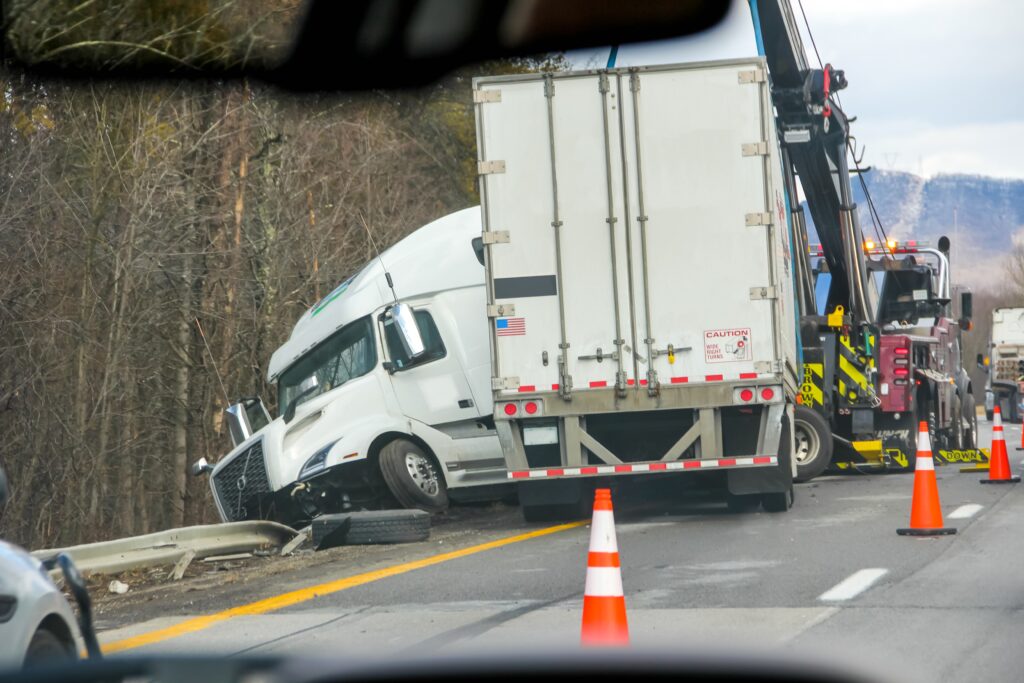
catastrophic injury car crash scene

What Is a Catastrophic Injury? Differences from Personal Injury Explained

What Is a Catastrophic Injury? Differences from Personal Injury Explained 2560 1440 Alex Weatherby

Injury recovery times can vary significantly. A broken arm from a car accident may heal in a few months. But a spinal cord injury that leaves someone unable to walk changes everything — not just for the injured person but for their entire family. This is the difference between a personal injury and a catastrophic injury.

What is a catastrophic injury?

While a catastrophic injury is technically a type of personal injury, it is far more severe. These cases often reshape a person’s life and carry much higher stakes during a claim or trial. Understanding the distinction helps injury victims and their families know what kind of legal representation and compensation may be necessary.

What Is a Personal Injury?

A personal injury claim is a formal request for compensation after you’ve been harmed due to someone else’s negligence, recklessness, or intentional misconduct. To succeed, you tyA personal injury occurs when someone suffers physical, emotional, or psychological harm because of another person’s negligence. These claims are the backbone of civil injury law and cover a wide range of accidents and injuries.

The most common personal injury claims arise from:

  • Motor vehicle accidents (car, truck, motorcycle, bicycle, and pedestrian collisions)
  • Slip and fall accidents
  • Medical malpractice
  • Workplace accidents

Typical injuries in these cases may include:

  • Whiplash and soft tissue injuries
  • Concussions and mild traumatic brain injuries
  • Broken bones and sprains
  • Emotional distress or post-traumatic stress

Most personal injuries, while painful and disruptive, are treatable. With medical care and time, many victims make a full or near-full recovery, allowing them to return to work and their daily routines.

What Is Considered a Catastrophic Injury?

A catastrophic personal injury is different because it causes permanent or long-term disability. These injuries often prevent a person from living independently, holding a job, or resuming the life they had before the accident.

The federal definition comes from 42 U.S. Code § 3796b, which describes a catastrophic injury as one that “permanently prevents an individual from performing any gainful work.”

Georgia courts also recognize catastrophic injuries under workers’ compensation laws. Generally, this means:

  • Long-term disability requiring ongoing medical care
  • Permanent impairment of bodily function
  • Loss of a limb or sense (such as sight or hearing)

Catastrophic Injury Examples

Unlike most personal injuries, these conditions rarely result in full recovery. Instead, victims often need lifelong medical treatment, rehabilitation, and daily support.

Some of the most common catastrophic injuries include:

  • Traumatic brain injuries (TBIs) leading to memory loss, cognitive decline, or loss of independence
  • Spinal cord injuries and paralysis, whether partial or complete
  • Amputations or loss of limb caused by accidents or surgical necessity
  • Severe burns requiring multiple surgeries and long recovery periods
  • Blindness or deafness caused by trauma or medical error
  • Multiple fractures that cause permanent mobility limitations
  • Severe disfigurement or nerve damage affecting quality of life

Key Differences Between Personal Injury and Catastrophic Injury

Although catastrophic injuries fall under the larger umbrella of personal injury law, they differ in their severity of harm, recovery timelines, financial impacts, and legal processes.

Severity & Recovery

  • Personal Injury: Usually temporary, with the expectation of eventual recovery.
  • Catastrophic Injury: Permanent impairment with no realistic chance of full recovery.

Economic Impact

  • Personal Injury: Victims may face medical bills and short-term lost wages.
  • Catastrophic Injury: Victims often require lifetime care, home modifications, and suffer permanent loss of income.

Damages & Claims Process

  • Personal Injury: Claims are often resolved through settlement and carry lower values.
  • Catastrophic Injury: Claims involve complex litigation, expert testimony, and higher compensation to cover lifelong needs.

Example of a Catastrophic Injury vs. Personal Injury

  • Personal Injury Case: A driver suffers whiplash and a broken wrist in a car accident. After treatment and rest, they fully recover and return to work within a few months.
  • Catastrophic Injury Case: A truck accident leaves a driver with a spinal cord injury, resulting in permanent paralysis. They can no longer work, need daily assistance, and face millions in lifetime care costs.

This contrast shows why a catastrophic injury claim requires a very different legal approach — one that accounts for the lifelong impact on both the victim and their family.

How Catastrophic Injury Claims Work

Because catastrophic injuries involve lifelong consequences, the legal process is more complex and the stakes are much higher. These claims demand careful preparation, significant evidence, and testimony from multiple experts.

Key factors in catastrophic injury claims include:

  • Medical expenses: Covering past, current, and future treatment needs.
  • Loss of earning capacity: Compensation for the victim’s inability to work in the future.
  • Long-term care and rehabilitation: Physical therapy, occupational therapy, and ongoing treatment.
  • Home modifications and medical equipment: Wheelchair ramps, in-home nursing, or adaptive devices.
  • Pain and suffering: Recognizing the physical and emotional toll of permanent disability.

Because of these high costs, insurers often fight harder against catastrophic claims. Victims may encounter delays, denials, or lowball settlement offers. To counter this, attorneys bring in expert witnesses such as:

  • Medical professionals to document long-term effects
  • Vocational experts to explain loss of career opportunities
  • Economists and life-care planners to project lifetime expenses

This level of evidence helps ensure compensation reflects the true scope of the victim’s losses.

Catastrophic Personal Injury and Family Impact

Catastrophic injuries don’t just affect the victim — they change the lives of everyone around them. Families often carry a heavy emotional and financial burden, including:

  • Financial strain: One household income may be lost while medical bills continue to climb.
  • Caregiving responsibilities: Family members may need to provide daily assistance, forcing them to reduce work hours or leave jobs.
  • Emotional toll: Stress, depression, and strain on relationships often follow life-changing injuries.

The impact can ripple through entire families, affecting children’s education, household stability, and future financial security. That is why pursuing the maximum compensation is not just about medical bills — it’s about protecting the well-being of both the injured person and their loved ones.

Why Legal Representation Matters

Catastrophic injury claims are among the most legally and medically complex personal injury cases. Unlike straightforward accident cases, they require specialized knowledge, coordination with expert witnesses, and long-term financial planning.

What is a Catastrophic Injury Lawyer, and What Do They Do?

An experienced catastrophic injury attorney can:

  • Build a strong case with expert testimony from doctors, vocational specialists, and economists.
  • Calculate lifetime costs to ensure no expense is overlooked, from daily care to future surgeries.
  • Challenge insurance companies, whose goals are often to minimize payouts or delay claims.

Without skilled legal representation, victims risk underestimating damages and accepting settlements that fail to cover a lifetime of needs. Having an advocate ensures the claim reflects the full scope of losses and secures the resources necessary for long-term stability.

Contact Weatherby Law for Catastrophic Injury Advice & Representation

If you or a loved one has suffered a catastrophic injury, you deserve a legal team that understands both the law and the human cost of permanent disability. At Weatherby Law Firm, we help clients pursue justice in catastrophic injury claims with compassion and determination.

Whether your case involves a severe burn, medical malpractice, or another life-altering injury, our catastrophic injury attorneys have the experience to handle these high-stakes cases. We fight to recover compensation that covers medical care, lost income, home modifications, and the emotional toll on families.Don’t wait to get the help you need. Contact Weatherby Law Firm today for a free consultation. We proudly serve clients in Atlanta and the surrounding suburbs.
Commercial vehicle accident

How To Identify Culpable Conduct in a Georgia Commercial Vehicle Lawsuit

How To Identify Culpable Conduct in a Georgia Commercial Vehicle Lawsuit 2560 1707 Alex Weatherby

Commercial vehicle and truck accident cases in Georgia often turn on which parties are legally responsible and how their conduct is evaluated. The types of activity giving rise to potential legal liability differs with each type of responsible party. Thus, the assessment of potentially culpable conduct must be made on a case-by-case basis. For example, manufacturer liability depends largely upon product design or manufacture. Service providers, such as maintenance companies and cargo loaders, face liability when their conduct drops below a reasonable standard of care in performing services. 

This section will focus on the two most common categories of defendants (truck drivers and motor carriers) and the most commonly asserted violations by the same. There are multiple other potential responsible parties in a commercial motor vehicle case. If you have a claim against another category of entity, please contact us for more information on prosecuting the claim.

Generally, the commercial driver and motor carrier must comply with the requirements of the FMCSR, the applicable state Rules of the Road, and accepted standards of industry practice. Failure to adhere to these standards are the basis for assessing potential liability of a responsible party. The claims that result will be negligence, negligence per se, recklessness, or intentionality, depending on the type of conduct at issue.

Common Sources of Culpable Conduct in Commercial Vehicle Cases

Commercial Driver and Carrier Liability

When we assess a commercial motor vehicle case, we begin with a checklist of potentially culpable conduct. We assess each aspect of the commercial vehicle case to determine the potential claims. Here is a checklist that we use: 

We assess professional driver acts or omissions, including but not limited to the following: 

  • Lack of Driver Skill
  • Distracted Driving
  • Cell Phone Use
  • Other Distractions
  • Violation of Rules of the Road
  • Deviation from Industry Standards
  • Drowsy Driving and Hours of Service Rules
  • Driver Impairment (Drugs or Alcohol)
  • Failure to Maintain or Inspect Equipment
  • Stopped Vehicles – Lighting and Warning
  • Weather Hazards

We also assess motor carrier acts or omissions, including but not limited to the following:

  • Driver Error and Respondeat Superior
  • Improper Dispatching
  • Negligent Hiring, Entrustment, or Retention
  • Improper Cargo Loading

Each of these potentially culpable activities are covered in turn below. This is not an exhaustive list, of course. But, it is instead a list of commonly litigated issues in commercial motor vehicle cases in our experience.

Lack of Driver Skill

Like any other technical skill, it takes time to become proficient at driving a commercial vehicle. A fundamental element of most commercial motor vehicle cases is a claim that the driver failed to exercise the requisite level of skill at the time of the wreck. In order to determine the standard of care required, a competent truck wreck attorney examines the following: (a) the FMCSR as applicable; (b) the State regulations as applicable; (c) industry standards put forth by the corporations involved and well known trainers, such as JJ Keller & Associates; and, (d) expert opinion.

Examples of actions that fall below the standard of care may include swinging too wide or too narrow, running off of the road, failing to maintain lane, improper backing, or simply failing to follow the prescribed requirements of safe vehicle operations. Comparing those actions with the standard of care is a key first step to many truck accident cases.

Distracted Driving

A tractor-trailer may weigh as much as 80,000 pounds or more. As a result, a truck takes 40% longer (than a civilian vehicle) to come to a complete stop when traveling 65mph on standard road conditions. Likewise, a tractor-trailer takes up to 16 seconds to complete a left turn and clear an intersection. Therefore, distracted driving can mean life and death.

Distracted driving is the inability to show the requisite amount of attention to the road because something else is diverting the driver’s attention. The sources of distraction are infinite. 

Pro Note:  A human factors expert may be used to detail potential distractions while driving. Some of the more commonly litigated distractions potentially affecting a driver, include the following: eating, listening to the radio, daydreaming, and conversation. In addition, in recent years, there has been increasing litigation on cell phone use as a potential distraction for professional drivers. A human factors expert may be engaged to opine that cell phone use was (or was not) a contributing factor to the collision. 

The FMCSR specifically prohibit texting and driving. The FMCSR also prohibit using a hand-held mobile device while driving. Likewise, in Georgia, texting while driving or talking on the phone (without a handsfree device) is against the law for civilian motorists and commercial truckers. Let’s look at each of these provisions. 

  • 49 C.F.R. § 392.80 prohibits texting while driving. As it states clearly, “[n]o driver shall engage in texting while driving.” It also imposes a duty on the motor carrier. “No motor carrier shall allow or require its drivers to engage in texting while driving.”
  • 49 C.F.R. § 392.82 also prohibits using a “hand-held mobile telephone” while driving. “No driver shall use a hand-held mobile telephone while driving a CMV.” It also imposes a duty on the motor carrier. “No motor carrier shall allow or require its drivers to use a hand-held mobile telephone while driving a CMV.” Note that while it prohibits using a “hand-held” device, it does not apply to the use of a handsfree device.

The Georgia rules are similar. Georgia law expressly bars texting, in almost any manner, while driving. O.C.G.A. § 40-6-241.2 reads as follows: “No person who is 18 years of age or older or who has a Class C license shall operate a motor vehicle on any public road or highway of this state while using a wireless telecommunications device to write, send, or read any text based communication, including but not limited to a text message, instant message, e-mail, or Internet data.” There are, of course, exceptions for emergency reporting; but, for the most part, it is prohibited.

In addition, Georgia law expressly proscribes the use of a cellular phone, in almost any manner, while driving. O.C.G.A. § 40-6-241 prohibits anyone, including commercial drivers, from “physically hold[ing] or support[ing]” a phone with their body. It also prohibits holding the phone for use in virtually anyway, including (a) navigation or (b) video streaming. Commercial drivers are barred from using “more than a single button” to interact with a phone. Commercial drivers are also prohibited from “reach[ing]” for the phone in a manner that causes the driver to no longer be “in a seated driving position” or buckled.

Pro Note:  While some cell phone use is permitted (like, for example, talking on the phone with a handsfree device), other industry standards may impose stricter limitations on commercial drivers. We have handled cases, for example, where the internal policies of the trucking company do not permit any cell phone use while driving.

Negligence Per Se, Violation of “Rules of the Road”

In addition to the provisions of the FMCSR, state law applicable to traffic collisions may form a basis for liability. These “Rules of the Road” may provide additional, more stringent standards for the truck driver and motor carrier involved. The FMCSR do not preclude states from establishing standards for driver conduct within the state. Specifically, 49 C.F.R. § 390.9 states that the FMCSR are “not intended to preclude States or subdivisions thereof from establishing or enforcing State or local laws relating to safety, the compliance with which would not prevent full compliance with these regulations by the person subject thereto.” Because our law firm is based in Georgia, we will utilize the Georgia rules as a state-specific example of how the Rules of the Road can form the basis of a negligence per se claim. 

Georgia establishes standards of road operations that commercial drivers and others must follow.  All drivers in Georgia, commercial and civilian, are required to adhere to the “Uniform Rules of the Road.” These statutory rules can be found at O.C.G.A. § 40-6-1 through 40-6-397. 

Pro Note:  Georgia has adopted the FMCSR as the standard for operations of intrastate carriers as well.

The Georgia “Uniform Rules of the Road” govern many areas of safety such as:

  • obeying the instructions of a mechanical traffic control device (O.C.G.A. § 40-6-20 through 40-6-26)
  • passing or overtaking other vehicles (O.C.G.A. § 40-6-40 through 40-6-46)
  • following too closely (O.C.G.A. § 40-6-49)
  • making proper right or left hand turns within intersections (O.C.G.A. § 40-6-70 through 40-6-71; 40-6-120 through 40-6-126)
  • obeying stop signs and yield signs (O.C.G.A. § 40-6-72)
  • obeying posted speed limits and driving at appropriate rates of speed (O.C.G.A. § 40-6-180 through 40-6-188)
  • driving while intoxicated (O.C.G.A. § 40-6-391 through 40-6-392)

The Uniform Rules of the Road of any state must be considered carefully when evaluating a truck accident case.

Deviation from Industry Standards

Commercial motor carriers also have industry standards with which they must comply. The motor carrier’s own internal standards and industry-recognized-leaders in motor carrier compliance are two significant sources of information concerning the standard of care. “Training materials for professional truck drivers are relevant to this case as evidence of what an ordinarily prudent person engaged as a professional truck driver would have done when confronted with the same circumstances.”

In addition to internal training materials, there are companies that specialize in training drivers. One of the best known is JJ Keller, a company that specializes in education and training of truck drivers. The materials published by companies like JJ Keller may be reviewed and compared to your commercial motor vehicle collision.

Pro Note:  While training materials may inform the standard of care, there is generally no Federal requirement for a motor carrier to train their drivers. “The Federal Motor Carrier Safety Regulations generally do not require trucking companies to train their drivers. For instance, when a driver has a valid CDL, the motor carrier may accept the CDL in lieu of subjecting the driver to a road test.”

We have previously used experts in truck accident regulations with success. Competent experts may opine as to the standard of care for professional drivers, when it is outside the knowledge of the average juror.

Talk With an Atlanta Truck Accident Lawyer About Your Commercial Vehicle Case

If you or someone you know has been injured in a commercial vehicle or truck accident, identifying culpable conduct is just the beginning. Successfully pursuing a claim requires a thorough understanding of the law, careful investigation, and experienced legal representation. Our Atlanta truck accident lawyers can review your case, explain your options, and help you pursue a claim.

Weatherby Law Firm is committed to helping accident victims and their families seek justice and recover the compensation they deserve.

Ambulance worker examining injuries of a man sitting near the car after the road accident, providing emergency medical assistance

Common Car Crash Injuries & Recovery Process in Georgia

Common Car Crash Injuries & Recovery Process in Georgia 2560 1709 Alex Weatherby

Car accidents in Georgia are unfortunately common, and even a seemingly minor crash can lead to serious physical injuries. Beyond the pain and trauma, you may face long recovery times, missed work, expensive medical bills, and the stress of dealing with insurance adjusters.

Understanding the most common car crash injuries and how they affect your recovery and potential settlement is essential if you want to protect your legal rights and financial future. This guide covers:

  • What injuries are most common after an accident
  • What steps should to take to protect your claim
  • How settlements are determined in Georgia
  • And why symptoms that appear later could impact your payout

Whether you’re just beginning your recovery or facing ongoing challenges after a collision, this guide will help you make informed decisions and avoid common mistakes.

Understanding What Goes Into a Car Accident Settlement in Georgia

A car accident settlement is designed to compensate you for all damages caused by the crash, not just your medical bills. In Georgia, settlements often include:

  • Medical expenses – ER visits, surgeries, rehab, medications
  • Lost wages – Past and future income loss
  • Pain and suffering – Physical discomfort and emotional distress
  • Property damage – Repairs or replacement of your vehicle and belongings

Georgia’s Modified Comparative Fault Rule

Georgia uses a “modified comparative fault” system, meaning your compensation may be reduced if you’re partially at fault. For example, if you’re found 20% responsible for the accident, your total compensation will be reduced by 20%. If you’re more than 50% at fault, you can’t recover damages at all.

Key takeaway: Every case is unique. The extent of your car crash injuries, fault percentage, insurance coverage, and long-term effects all play a role in determining what your case is worth.

Common Car Accident Injuries That Impact Settlement Value

The type and severity of your injury play a major role in both your recovery process and your potential settlement amount.

Whiplash & soft tissue injuries

Neck strain from sudden jolts is one of the most common car crash injuries. While often dismissed as minor, whiplash can result in months of pain and physical therapy.

Broken bones and fractures

Arms, ribs, legs, and wrists are frequently fractured in head-on or side-impact collisions. These injuries can require surgery and long-term rehabilitation.

Head injuries and concussions

Even if your head doesn’t directly hit anything, rapid deceleration can cause brain trauma. Concussions can lead to dizziness, memory loss, or longer-term cognitive issues.

Spinal cord injuries and back trauma

Herniated discs, nerve damage, and other spinal injuries can be life-altering. Severe cases may result in partial or full paralysis.

Permanent or disabling injuries

Amputations, traumatic brain injuries (TBIs), and other catastrophic injuries usually result in the highest settlement amounts due to lifelong care and disability.

How These Injuries Affect Settlement Value

The more severe, painful, or permanent your injuries are, the more compensation you’re likely to receive. That’s because you’re not just being paid for what’s already happened, but also for how the injury will affect your future.

What to Do After a Car Accident to Protect Your Injury Claim

What you do in the minutes, days, and weeks following a car crash can make or break your injury claim. Insurers will look for any excuse to reduce or deny your settlement, so following the proper steps early on is critical.

1. Seek medical attention right away

Even if you feel okay, adrenaline can mask pain. Get checked by a doctor to rule out internal injuries and establish a medical record.

2. Document everything

Take photos of the scene, your injuries, your vehicle, and any road hazards. This visual evidence can become powerful leverage in your claim.

3. Keep detailed records

Save every medical bill, prescription, treatment summary, and out-of-pocket expense. These add up fast and directly impact your settlement.

4. Get the police report

Request a copy of the official accident report from the responding law enforcement agency. It includes crucial details such as fault, citations, and witness names.

5. Be careful what you say

Don’t give a recorded statement to the insurance company before speaking with a lawyer. Even a casual comment like “I’m feeling better” can be used against you.

What Is the Average Settlement for a Car Accident in Georgia?

Settlement amounts vary widely depending on the circumstances of the crash and injury severity. That said, here are some general figures that can help you understand what others have received in similar cases:

Injury TypeEstimated Settlement Range
Soft tissue injuries (e.g., whiplash)$3,000 – $25,000
Moderate injuries (fractures, long-term therapy)$25,000 – $75,000
Severe injuries (surgery, prolonged recovery)$75,000 – $200,000+
Catastrophic injuries (TBI, paralysis, wrongful death)$500,000+

Important Note: No two settlements are alike. Factors like insurance limits, shared fault, ongoing treatment needs, and documentation quality all influence the final payout.

Why Your Injury Symptoms Matter More Than You Think

One of the most common and costly mistakes people make after an accident is assuming they’re fine, only to experience worsening symptoms days or weeks later.

Common Delayed-Onset Symptoms:

  • Headaches or dizziness (may indicate concussion or brain injury)
  • Back pain (can be a sign of a herniated disc)
  • Numbness or tingling (often tied to spinal nerve damage)
  • Anxiety, nightmares, or PTSD (common after traumatic crashes)

Why This Matters for Your Claim:

  • If you settle too early, you won’t get compensation for injuries that haven’t been diagnosed yet.
  • Insurers often push for quick settlements before the full impact of your car crash injuries becomes clear.
  • Continued medical care and follow-up appointments build your case and maximize your compensation.

Always prioritize your health and finish your full treatment plan before signing any release forms.

Dos and Don’ts to Maximize Your Settlement

Insurers are trained to minimize payouts. These practical tips will help you avoid common mistakes and strengthen your claim from day one.

Do:

  • Stick to your treatment plan
    Follow every doctor’s order and attend all appointments. Gaps in treatment may signal to insurers that your injuries aren’t serious.
  • Document your pain and progress
    Keep a journal describing your symptoms, daily limitations, emotional struggles, and how the injury affects your life.
  • Consult a car accident attorney early
    Having an attorney negotiate on your behalf almost always results in a higher settlement, and they handle the stress for you.

Don’t:

  • Downplay your injuries
    Telling people or providers you’re “fine” can be used against you. Always be honest about your condition.
  • Skip medical care or delay treatment
    A gap between your crash and your treatment date gives insurers ammunition to claim your injuries aren’t crash-related.
  • Post on social media
    Photos, check-ins, or status updates can be taken out of context and used to dispute your claim.

How a Georgia Car Accident Lawyer Can Help Maximize Your Settlement

Even if you’re handling your medical recovery well, legal recovery is a different game entirely. A qualified personal injury attorney can help you understand Georgia’s car insurance requirements and maximize your settlement. They will:

Estimate the real value of your claim

Including medical bills, lost income, future costs, pain and suffering, and more.

Gather and present critical evidence

From crash reports and medical records to expert witness testimony and insurance policies.

Negotiate with insurance adjusters

Lawyers are trained to push back on lowball offers. Insurers know they can’t play games when an attorney is involved.

Take your case to trial if necessary

While most claims settle, a skilled attorney will prepare for court to increase pressure and settlement potential.

Speak to a Georgia Car Accident Lawyer at Weatherby Law Firm

If you were injured in a car crash, you don’t have to figure it all out on your own. At Weatherby Law Firm, we’ve helped countless Georgians just like you navigate the complex aftermath, secure the care they need, and fight for the compensation they deserve to recover from their car crash injuries.

Get a Free Consultation Today

  • No upfront costs or obligations
  • Learn your rights and what your case may be worth
  • Start protecting your future right now

Schedule your consultation or learn more about Weatherby’s services for car accident victims and motorcycle accident victims.

Types of Commercial Vehicle Accidents

What Types of Commercial Vehicle Accidents Does An Attorney Handle?

What Types of Commercial Vehicle Accidents Does An Attorney Handle? 1000 632 Alex Weatherby

Commercial motor vehicle accidents can occur in a variety of manners. Common accident scenarios involving a commercial vehicle can be grouped into three broad categories:

  • Single-Vehicle Accidents
  • Vehicle-Pedestrian Accidents
  • Two (or more) Vehicle Collisions

At Weatherby Law Firm, we focus on bodily injury claims resulting from accidents with commercial motor vehicles. As such, we limit the coverage in this Manual to the latter scenarios. We have handled over 60 truck accident cases, including many instances in each category. 

Common Impacts with Any Type of Commercial Vehicle

Common scenarios involving civilian passenger and commercial vehicle collisions include the following:

Direct (Head-On) Collision 

This normally takes place when one vehicle veers into the oncoming lane. It also arises when a vehicle accidentally enters a one-way street or lane. 

T-Bone 

A T-bone collision most commonly occurs when one vehicle runs a stop sign or red light, when a vehicle is backing out into a street, or when a vehicle pulls out in front of oncoming traffic to cross an intersection or to make a turn. 

Rear End 

A rear-end collision is perhaps the most common type. This occurs most frequently when a vehicle is following too closely.  

Back-Up Collision 

A back-up collision is when one vehicle cannot see the person or property to the rear of the vehicle and backs into it. The most tragic of these cases occur when children are playing in the street and a driver fails to adequately inspect the area or has limited vision behind the vehicle. 

Stopped Vehicles 

Commercial trucks often break down or have to stop on the side or middle of the roadway (such as trucks offloading deliveries). This often results in an accident when unaware motorists fail to recognize the stopped vehicle and crash into it or other vehicles in an attempt to avoid the stopped vehicle. (The commercial driver may be to blame when, for example, they fail to place warning markers behind the vehicle). 

Improper Maneuvers 

The term improper maneuver is a very broad descriptor for when a truck driver fails to follow the Rules of the Road. Many, many scenarios constitute an improper maneuver. Some common examples include:

Lane Change

Improper changing of lanes and/or merging into another vehicle.

Narrow Turn 

The commercial vehicle turns too sharply and contacts a stationary vehicle. 

Wide Turn 

The rules under which large commercial trucks operate, including the CDL Manual and FMCSR, set forth specific rules about how large trucks should complete turns without putting other drivers at risk.

Left Turn 

Left turns require a driver to cross a lane of traffic to enter the road. Accidents can occur with traffic coming from either direction. Also, the time it takes to complete the turn is longer, thus exposing the driver to an increased risk of collision with fast-moving vehicles. 

The above-referenced accidents are common across all commercial vehicles. Next, let’s take a look at some types of accidents common to big rigs. 

Common Impacts with Tractor-Trailers

The types of accidents that we want to address with greater specificity in this Manual are accidents involving tractor-trailers. At first glance, it may seem that this type of vehicle accident is easy to understand or straightforward. It is worth noting that various collisions or accidents are unique to trucks and trailer combinations. Some common forms of truck and trailer accidents include:

Jack Knife 

A jackknife happens when the trailer swings out wide to form a near 90-degree angle with the truck that is pulling it. It often happens as a result of hard braking (fast stop) by the truck or when the brakes on the trailer are not properly engaging. It may also be caused by the weight of the trailer making the wheels of the trailer lose traction, pushing the tractor or trailer sideways. Fast stops from high rates of speed, braking while going down steep hills, and hard braking on slippery roads are some other common scenarios resulting in jackknives.  In any situation, the trailer (rather than staying in line with the truck) either swings outside of the truck or pushes the truck sideways. 

Underride 

Large commercial trailers often sit high on the trailer’s chassis (above the height of the wheels) to allow for maximum flat hauling surface on the trailer. An underride is when a smaller vehicle crashes into the trailer, and that vehicle goes underneath the trailer chassis. Regulations require underride guards on trailers just for this reason. This type of crash is typically catastrophic, as occupants of passenger vehicles are particularly vulnerable in such an accident. An underride may occur from the side (while turning) or rear of the vehicle. 

We handled a particularly catastrophic underride case involving a high-speed police chase. The result was a civilian vehicle that went fully underneath the trailer, removing the roof section. Two persons were killed, and three children were seriously injured. After no pre-suit offer from the defendants, we filed suit and ultimately negotiated a full policy limits resolution for our client.

Overturn or Rollover 

Any vehicle is susceptible to overturn or rollover. Vehicles that sit higher on the frame, especially those with narrow wheel bases, are more likely to overturn in an accident. Trucks pulling a trailer carry a high rollover risk, as the weight of the trailer can overturn the truck. The risk of rollover increases with the weight of goods on the trailer, the height at which the goods are loaded, tire blowouts, load shifting, and the speed of travel or turning. 

Pro Note:  An overturn or rollover case may be paired with another type of case, such as falling cargo. In such a situation, several potential regulations may be implicated, which makes paying particular attention to the rules essential.

Falling Cargo 

Falling cargo occurs when poorly secured items fall from a vehicle or trailer. Liability results when the cargo hits other vehicles or pedestrians or creates a roadway hazard that causes a subsequent collision. Cargo falls may be an issue for flat, open-bed, or open-top trailers. These configurations are common for vehicles hauling building materials, industrial parts, machinery, vehicles, etc. The cargo may be improperly loaded or not secured appropriately. Cargo that is loaded at the beginning of a trip may shift to become insecure during travel, such as when the driver hits large bumps or takes sharp turns. As such, failure to stop and conduct load inspections becomes relevant. Also, falling cargo issues arise in conjunction with other forms of trailer-related accidents (such as the jackknife). For this reason, the Federal Motor Carrier Safety Regulations and Georgia law require drivers to inspect their loads at various points in the transportation process.  

Our point in describing these various types of vehicle accidents is to make you aware of how diverse CMV accidents can be. Some collisions may involve two or more of the above-referenced types of collision. For example, a truck that jack-knifes in the road may sideswipe some vehicles and rear-end another — all while the trailer swings wide into an oncoming lane and causes a head-on collision. As you can tell, the potential for tragic scenarios in a large-vehicle collision is extremely broad.

Contact An Atlanta Commercial Motor Vehicle Attorney Today

At Weatherby Law Firm, we have handled numerous different types of commercial motor vehicle accidents. In a recent case, we represented a young doctor who was traveling caravan-style with her mother to visit a home for sale. It was a sunny, bright day. The daughter was following closely behind the mother’s car when a truck hauling steel careened into the back of her, causing severe injuries. The photographs of the accident demonstrated that she was inches from losing her life. After reconstructing the accident, we determined the driver for the steel hauler had been distracted or asleep. Get in touch with us today so we can schedule a free consultation and review your case.

Is Georgia a No-Fault State - Woman in conflict with man staring at the damage of their collision

Is Georgia a No-Fault State?

Is Georgia a No-Fault State? 1000 667 Alex Weatherby

If you’ve been in a car accident, you know first-hand how overwhelming the recovery process can be. Processing emotional and physical trauma is hard enough. Add complex insurance claims and financial jargon into the mix, and dealing with the aftermath of a car accident can feel downright deflating. Chances are, you’ve come here because you’ve heard the term “no-fault state” and are wondering how it impacts your insurance claim or your options for legal recourse. Perhaps you live in or around Atlanta and are wondering, “Is Georgia a no-fault state?” And, if so, “What does that mean to me?”

To answer your first question—no. Georgia, like many U.S. states, is an “at-fault” state. 

As for the second question, its answer requires a more detailed explanation, beginning with an understanding of the difference between “no-fault” and “at-fault.” Learn about these two terms and how they impact the outcome of your car accident claim.

What is a No-Fault State?

In no-fault states, drivers involved in auto accidents must first seek compensation from their own insurance company, regardless of who caused the crash. This system requires drivers to carry Personal Injury Protection (PIP) coverage, which pays for medical expenses, lost wages, and other damages following an accident.

Under no-fault insurance laws, your insurance company handles your claim for injuries and related expenses up to your policy limits—even if another driver was responsible for the accident. States like Florida, Michigan, and New York operate under this system to streamline the claims process and reduce insurance-related lawsuits.

A key distinction of no-fault insurance is that it limits your ability to sue the other driver. You can only pursue a claim against the at-fault driver in specific circumstances, such as when car accidents result in severe injuries or damages that exceed certain thresholds.

What is an At-Fault State?

Georgia, like the majority of U.S. states, operates under an “at-fault” system for auto insurance claims. In at-fault states, the driver responsible for causing an accident is also financially responsible for the resulting damages and injuries.

This means that after an accident in Georgia, the injured party has the right to seek compensation directly from the at-fault driver’s insurance company. In at-fault states, the claims process involves determining who was responsible or liable for the accident. The at-fault party’s insurer is then responsible for covering the damages up to its policy limits.

Important note: Georgia’s at-fault system allows for shared responsibility in accidents. 

Shared responsibility in accidents means that all drivers involved can be assigned a percentage of fault. How much compensation they receive is directly proportionate to that percentage. For Georgia drivers, this system underscores the importance of maintaining adequate liability coverage and carefully documenting the circumstances of any accident.

How Does the At-Fault System Work in Georgia?

In Georgia’s at-fault system, determining injury liability is a structured process designed to protect both drivers’ rights and award fair compensation. Following a car accident, fault must be proven through various forms of evidence, including:

  • Police report from the accident scene
  • Photographs of vehicle damage and the accident location
  • Witness statements from people who saw the accident occur
  • Medical records documenting injuries
  • Expert testimony (when necessary)

Steps to Take After an Auto Accident

To successfully navigate Georgia’s at-fault system and prove that you were not responsible for the car accident that caused your injuries, follow these essential steps after a car accident:

1. Document Everything

  • Call the police to report the accident
  • Take extensive photos of the accident scene
  • Collect contact information from witnesses
  • Exchange insurance and contact details with the other driver
  • Record your detailed account of the event

2. Seek Medical Attention

  • Visit a healthcare provider promptly, even for seemingly minor injuries
  • Keep all medical records and bills
  • Follow your doctor’s treatment plan consistently

3. Track Your Expenses

  • Maintain records of all accident-related costs
  • Save medical bills and receipts
  • Document lost wages and other financial impacts
  • Keep repair estimates and vehicle damage information

Insurance Requirements for Georgia Drivers

If you’re responsible for an accident and need to compensate others for damage repairs or bodily injury, the state of Georgia requires drivers like you to obtain minimum insurance coverage amounts for their vehicles. 

The minimum coverage requirements in Georgia are as follows:

  • Bodily injury liability coverage: $25,000 per driver and $50,000 per accident
  • Property damage liability coverage: $25,000 per accident

Making an Insurance Claim in an At-Fault State

When pursuing compensation and filing an insurance claim in Georgia, there are important deadlines to consider. Personal injury claims must be filed within two years of the accident date, while property damage claims have a four-year deadline. Regardless, it’s important to begin the process as soon as possible to preserve evidence and strengthen the outcome of your case.

Once you’ve gathered evidence related to the accident, you’ll file a claim with the at-fault driver’s insurance company. The insurance adjuster will then:

  • Review your claim and evidence
  • Accept the claim and make an offer
  • Present a counteroffer for negotiation
  • Or, potentially deny the claim

Important Note: Insurance companies often protect their best interests by presenting low initial settlement offers that don’t reflect the true value of damages. 

If you receive a low settlement offer or your claim is denied, consult with an experienced Atlanta car accident lawyer to protect your rights and pursue fair compensation. In extreme situations such as wrongful death or wilful negligence, car accident lawyers can also facilitate the process of filing a lawsuit to obtain compensation beyond your insurance coverage.

What if I am Partly At Fault for The Accident?

The answer to the question, “Is Georgia a no-fault state?” is particularly nuanced because the state follows a modified “comparative negligence” rule. This is good news for those who are partially at fault for car accidents. 

Under Georgia law, fault can be shared between drivers up to 50%. For example, if you’re 40% at fault, you can still recover 60% of your total damages from the other driver. However, if you are found to be 50% or more at fault, you forfeit the ability to recover any compensation for your damages.

Speak with an Expert Auto Accident Lawyer in Georgia

Still, have questions about “no-fault” vs “at-fault” insurance and how living in an “at-fault” state like Georgia can impact your car accident claims process?

Contact Weatherby Law Firm and one of our resourceful car accident lawyers will be happy to answer all of your remaining questions. We’re proud of the role we play in helping car accident victims recover from their injuries. By navigating insurance claims, determining fault in accidents, and obtaining fair compensation for our clients, we make sure injured victims can focus on their recovery without having to worry about the legal aftermath.

Have you been injured in a car accident? Weatherby Law Firm would be honored to speak with you and learn more about the accident that caused your injury. We recognize that every case is unique with its own set of challenges, so we fight compassionately to ensure fair settlements that capture the full extent of the damages you’ve suffered. Our team of car accident lawyers has decades of combined experience, having recovered millions for our satisfied clients.

Contact Weatherby Law Firm for a free consultation, and take the next step in recovering from the car accident that caused your injuries.

Marietta Police Accident Reports

Marietta Police Accident Reports 150 150 Alex Weatherby

If you suffered an injury in a car accident, a car accident attorney in Marietta, GA, may be able to help you recover compensation for your damages and losses. One of the essential tools in building a strong case on your behalf is your accident report from the Marietta Police Dept. It’s always a good idea to report your accident immediately to the Marietta Police Department after a car accident. Police will come to the scene of the accident and report their findings. Police accident reports may include opinions of fault in a car accident. 

What Is an Accident Report? 

When there is a car accident in Marietta, GA, the police create an official document called an accident report. In an accident report, the police provide details observed while at the car accident scene. The information in an accident report may include the following:

  • Names and addresses of involved parties;
  • Insurance information for involved parties;
  • Identifying information for witnesses;
  • Location of damage to involved vehicles;
  • Weather, roadway, and lighting conditions at the scene of the accident;
  • Statements from involved parties and witnesses;
  • Whether there are any violations of law or citations issued; and 
  • Issuance of a citation to the party the officer deems “at fault”

Police represent an impartial party; therefore, car accident reports prepared by the Marietta Police Dept may represent credible information useful to your attorney.  

Do I Have to Report My Accident? 

In general, Georgia law requires you to report your accident if the accident results in more than $500 in damage. Additionally, Georgia law requires you to report these accidents to the police immediately. An accident report may help assist a car accident attorney in Marietta, GA, in building your personal injury case. 

How Do I Get My Accident Report from the Marietta Police Dept?

There are typically three ways to obtain your accident report from the Marietta Police Department. These include the following:

  1. Go to the Marietta Police Department and pick up your accident report;
  2. Order your accident report online through the Marietta Police Dept; and
  3. Have your attorney obtain a copy of your car accident report. 

A car accident report in Marietta, GA, typically requires payment of a small fee for processing and copying. 

Contact Us 

A car accident report from the Marietta Police Department may serve as a valuable tool for your attorney in compiling details regarding your car accident. The personal injury attorneys at Weatherby Law Firm, P.C. provide high-quality representation to clients involved in car accidents throughout the United States. Based in Atlanta, Georgia, Weatherby Law Firm, P.C. assists clients involved in car accidents in Marietta, GA. The attorneys at Weatherby Law Firm, P.C. have built a reputation based on a dedicated commitment to all clients through honorable and efficient legal counsel. We understand the difficulties you face after a car accident in Marietta and we are determined to make the lives of our clients better. Contact us today to discuss the facts of your case and how we can help you move forward.

Atlanta Statute of Limitations, Georgia Statute of Limitations

What is the statute of limitations for a personal injury claim in Georgia?

What is the statute of limitations for a personal injury claim in Georgia? 962 529 Alex Weatherby

The personal injury statute of limitations in Georgia is generally two years from the date of the accident.

This means that a claim must be filed two years from the date of the accident itself.

If a tractor-trailer accident occurred on August 2, 2019, for example, then the injured person has until August 1, 2021, to file suit.

The two-year statute of limitations applies to most personal injury claims.

This includes those arising out of a:

  • Bike accident,
  • Bus accident,
  • Truck accident,
  • Pedestrian accident,
  • Motorcycle accident,
  • Medical malpractice,
  • Shooting,
  • Wrongful death,
  • Spinal cord,
  • Brain injury, or
  • Burn injury case

Discuss Your Case With Us

By providing this information and submitting, you are consenting to being contacted via email, SMS, and/or phone. Message & data rates may apply. You can reply STOP to opt-out of further messaging. By submitting this form, you agree to our Terms & Conditions in our privacy policy.
This field is for validation purposes and should be left unchanged.

Personal Injury Statute of Limitations Rules in Georgia

As a general rule, a lawsuit should never be filed that close to the statute of limitations.

This is because there may be issues with locating the defendant or serving the defendant with the lawsuit.

A substantial delay in service may result in a timely filed lawsuit being barred by the statute of limitations.

Our rule of thumb is to file a lawsuit at the earliest opportunity to present a good case. It is rare if we file a lawsuit less than 6 months before the statute of limitations expires.

Exceptions to Personal Injury Statute of Limitations in Georgia

There are some exceptions to the personal injury statute of limitations in Georgia.

Commission of a Crime

First, there is an extension for lawsuits related to the commission of a crime.

The statute of limitations is extended for the same period that the criminal prosecution or criminal investigation is pending.

This means that where the personal injury resulted from a criminal act, the injured party may have additional time to file their claim.

This includes a crime resulting from a car accident or truck accident.

For example, if the tractor-trailer accident resulted in a DUI charge for the truck driver, then the statute of limitations would be extended during the time period that the DUI investigation and prosecution was pending.

Fraudulent Acts

Second, the statute of limitations may be extended for fraud.

This only extends the time period to file a lawsuit, when the fraud prevented the injured party from filing the lawsuit.

In other words, there needs to be some fraudulent act that kept the injured party from filing a lawsuit.

A simple allegation of fraud is not sufficient to pause or “toll” the statute of limitations.

Age Restrictions

Third, the statute of limitations is extended for a minor until they reach the age of majority (age 18).

A person should not wait around this long to file suit, however, as there are other rules that could come into play and bar a claim.

Psychological Restrictions

Fourth, the statute of limitations is extended for folks who are mentally incompetent.

This is a high standard. The person must be so mentally unsound that they are incapable of carrying out ordinary life affairs or filing a lawsuit.

Having a mental disability is not enough. Being diagnosed with a mental illness is not enough.

There must be incompetence to such a degree that the person is incapable of making decisions for themselves.

Navigating the statute of limitations can be a challenge.

We know the ins and outs of the statute of limitations in Georgia.

At our firm, we are experienced lawyers based in Atlanta, and we service all of Georgia.

Atlanta Motorcycle Accident Lawyer

Hit While Crossing the Street in Atlanta—Next Steps

Hit While Crossing the Street in Atlanta—Next Steps 1000 523 Alex Weatherby

Atlanta is a busy city, with many crosswalks, sidewalks, pedestrians and cars. Unfortunately, vehicle-pedestrian accidents happen in Georgia, like they do in every state. When a pedestrian and a vehicle are involved in a collision, the incident can be due to the negligence of the driver, the walker, or both. Therefore, it is important to know what steps to take if you’re hit by a car while walking or jogging, or if you’re the driver. If you’re involved in a pedestrian accident, it will be helpful to understand what potential compensation there is for any resulting injuries and losses.

Hit by a Car in Atlanta?

Due to the nature of an auto versus pedestrian accident, a pedestrian may suffer serious injuries depending on the type of vehicle, speed, and location of impact. Sometimes, fortunately, a pedestrian is not injured after impact with a vehicle. But, often, they are.

The first steps to take after a pedestrian accident is: check on everyone at the scene and call 911. This will report the incident to the police and get medical attention if someone needs it.

Once you’ve notified the authorities and made sure everyone is OK, the next steps are to take pictures of the accident scene and get any witness’ contact information. While the police officer may do this as well, it is best to make sure that you have as much information as possible.

Because of the seriousness typically involved in vehicle-pedestrian accidents, it is also important to contact an Atlanta pedestrian accident attorney.

Determining Liability for Pedestrian Accidents

Both drivers and pedestrians have a duty to act reasonably and obey traffic laws. For drivers, the general standard is that a driver must act as a reasonable driver would under the same or similar circumstance. For a pedestrian, they have a duty to act as a reasonable pedestrian would under the same or similar circumstance as well. A pedestrian cannot walk blindly into traffic, for example. 

The question is whether the driver or the pedestrian is “negligent.” It can be a fact intensive inquiry that needs an experienced attorney.

Georgia Comparative Negligence Law

In Georgia, a pedestrian can only recover for their injuries if they are less than 50% at fault. If the pedestrian is less than 50% at fault, then the amount awarded is “reduced by” the percentage at fault. So, for example, if you’re 25% at fault for a pedestrian-vehicle accident with damages totaling $100,000, the compensation you receive would be reduced by 25% or $25,000.

Consult with an Experienced Atlanta Pedestrian Accident Attorney

At Weatherby Law Firm, P.C., we frequently work with plaintiffs and defendants of vehicle-pedestrian accidents. Our decades of experience and commitment to our clients drive us to achieve exceptional case results, and you can count on our law firm to make every effort on your case. Contact Weatherby Law Firm, P.C. to schedule a free consultation with one of Georgia’s top pedestrian accident attorneys today.

How To File an Atlanta Wrongful Death Lawsuit?

How To File an Atlanta Wrongful Death Lawsuit? 1920 900 Alex Weatherby

Who Can File an Atlanta Wrongful Death Claim?

Before filing a suit for a fatal accident, you need to make sure that you’re the appropriate person to file the claim. One of the biggest questions if who can file a wrongful death claim?

This can be a very complex question.

Those having the right to bring a cause of action for wrongful death are as follows (in order of priority):

  1. Surviving spouse;
  2. Children;
  3. Parents; and
  4. Administrator/executor of the estate

The Venue

Whether you are filing a wrongful death action or any other case addressing injuries to a person, the first step is to make a decision as to where you will file the lawsuit. 

The value of a wrongful death case, and any other case for that matter, is in some measure determined by the location of the suit. In legal terms, the location of the suit is called the “venue.”

In Georgia, the location will generally be in a “county” where the defendant lives.

If the defendant is a company, the venue will generally be the location where the company’s “registered agent” is located.

A registered agent is a person that the company designates to accept service for the company. A registered agent can be located by going on the Georgia Secretary of State’s website.

There are 159 Counties in Georgia.  Obviously, we cannot address them all. 

However, if you are in the Atlanta area for a Plaintiff’s case, the preferred jurisdictions would be DeKalb and Clayton. 

Other favorable jurisdictions would include Bibb and Chatham Counties. 

So what makes a particular county more desirable than others? 

The answer is simple; a history of large verdicts in favor of plaintiffs.

How do I know what to put in the Complaint?

It is essential that the person filing a wrongful death action have as full understanding of the facts related to the fatal accident as possible. This would include:

  • (a) the date of the accident;
  • (b) the location of the accident;
  • (c) the parties involved;
  • (d) the acts and omissions of the people being sued; and
  • (e) that the death was actually caused by those acts.

In some cases, it is not possible to know all of the facts before filing suit.

That is OK, so long as you have a sufficient amount of facts to make your case. The more information you have, the better.

In a typical wrongful death case, there will be allegations of negligence.

This means that Plaintiff will allege that Defendant committed some acts or omissions, different than what a reasonable person would do, that resulted in the death of the loved one. This is called a “negligence” count.

There will also be allegations of damages. When there is a wrongful death, Georgia law provides that the recovery is “full value of the life of the decedent.”

This is determined by the circumstances of a person’s life. 

There are two components: an “economic value” and the “intangible element”.  The economic value generally consists of the earnings or other economic value of lifetime services.  This may involve a complex calculation of lifetime earnings and other economic values.

An economist may be used to help place this amount into a number.

The “intangible” element is the what life is worth when lived. This is up to the jury to determine.

The jury will consider facts such as the relationships, quality of life, and enjoyment of activities.

In some rare cases, punitive damages may be awarded for the defendant’s egregious conduct in the accident.

This is very rare.

Punitive damages are recoverable when the defendant acted with intent, malice, or some other egregious action.

Do I Need a Lawyer to File an Atlanta Wrongful Death Suit?

A wrongful death suit is not something you should try and file on your own. It is a complex area of law, and you need a seasoned wrongful death attorney to help you. Our firm has recovered millions for wrongful death victims, and we have received one of the largest wrongful death verdicts in Georgia history.

We offer free consultations for wrongful death claims in Atlanta. We practice throughout Georgia and the metro Atlanta area.

The Difference Between Acquired and Traumatic Brain Injuries

The Difference Between Acquired and Traumatic Brain Injuries

The Difference Between Acquired and Traumatic Brain Injuries 1920 1252 Alex Weatherby

Brain injuries are no laughing matter. The emotional toll that a traumatic brain injury can have on a family or individual is incalculable, while the physical and financial toll can be equally burdensome.

The question of what is the difference between acquired and traumatic brain injury is a very common one, but the answer might surprise you. In fact, traumatic brain injuries (TBI) are actually a specific type of acquired brain injury. 

The Brain Injury Association of America divides brain injuries between two overall categories: acquired and non-acquired. An acquired brain injury is one that occurs after someone is born, while a non-acquired brain injury is one that someone is born with or that occurs during birth. Typically, congenital factors or degenerative disease cause non-acquired brain injuries. On the other hand, a large number of different sources can cause acquired brain injuries.

Traumatic vs Non-Traumatic Brain Injuries

Generally, an acquired brain injury falls into one of two categories: traumatic or non-traumatic. The key difference between the two categories of acquired brain injuries is whether the cause is internal or external. 

Non-Traumatic Brain Injuries

Internal factors cause non-traumatic brain injuries. Typically, non-traumatic brain injury causes include:

  • Strokes,
  • Hemorrhages,
  • Near-drowning experiences,
  • Drug overdoses,
  • Exposure to poisonous gas such as carbon monoxide,
  • Seizures, and
  • Electric shocks.

Very often a non-traumatic or internal brain injury is the result of decreased or non-existent oxygen flow to the brain due to one of the noted causes.

Traumatic Brain Injuries (TBI)

On the other side of acquired brain injuries are traumatic brain injuries (TBI). External factors cause traumatic brain injuries. Federal law defines a TBI as “an acquired injury to the brain caused by an external physical force, resulting in total or partial functional disability or psychosocial impairment, or both.” Traumatic brain injuries, including concussions, can be caused in many different ways, including:

  • Automobile accidents,
  • Assaults,
  • Sports injuries,
  • Slipping and falling,
  • Gunshots,
  • Explosions, and
  • Child abuse (shaken baby syndrome).

According to the Centers for Disease Control and Prevention (CDC), falls are by far the leading cause of traumatic brain injury in America at (48%), followed by being struck by or against an object (17%). Both of these categories themselves can arise out of many different incidents that can occur in our normal day-to-day activities, such as:

  • Being hit in the head by a ball in sports practice;
  • Being struck by a vehicle while crossing the street;
  • Slipping on ice on the sidewalk;
  • Slipping on a wet floor at the supermarket; and
  • Tripping over an obstruction at work.

These are all events that can occur in our daily routines without doing anything out of the ordinary. These daily routines, however, can be permanently changed by a traumatic brain injury. Furthermore, the cost of these injuries is huge. Traumatic brain injuries cost Georgians an estimated $1.5 billion annually in lost wages lost and medical costs.

Serious and Rare

TBIs are some of the most serious injuries that patients, and lawyers, deal with. The vast majority of trauma does not result in a TBI. Because it is rare, it is important to contact someone with experience.

Contact Our Team Today

If you or a loved one has suffered any type of brain injury, the team at Weatherby Law Firm, P.C. is here to help. We understand how difficult it is to suffer a brain injury or to watch a family member suffer. We aim to ease that suffering with legal advocacy founded on principles of integrity, honor, and efficiency. Here at Weatherby Law Firm, P.C., we pride ourselves on caring for our clients as if they are part of our family. With our expertise, attention to detail, and compassionate approach, we can help you through this life-altering event. Contact us today.

    Your Name *

    Your Email *

    Your message